AI tool
Locofy: design-to-code agents
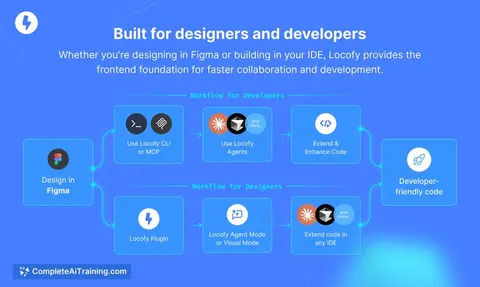
Locofy converts Figma designs into structured frontend code for developers using Cursor and Claude. It acts as a design-to-code agent that provides an interface foundation for coding agents.
About Locofy: design-to-code agents
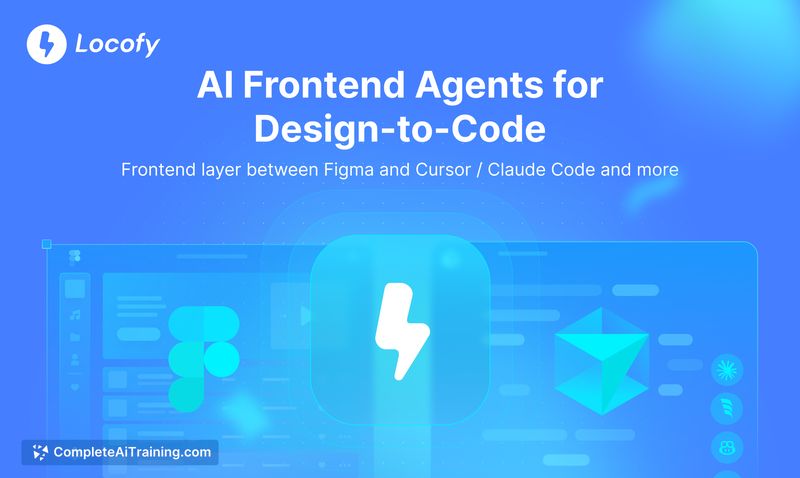
Locofy is an agentic frontend layer that sits between Figma and AI coding tools such as Cursor and Claude Code. It converts Figma designs into structured, responsive, pixel-perfect frontend code using proprietary design-aware models combined with LLMs. The tool works directly from the CLI, Cursor, Claude Code, and similar environments.
Review
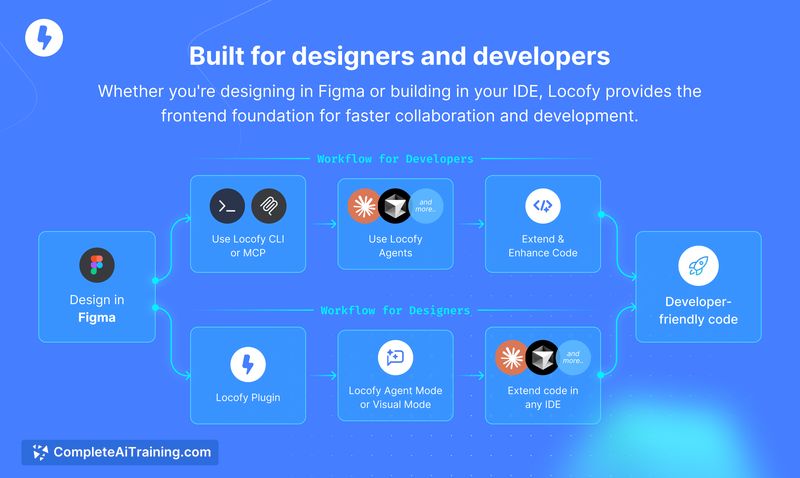

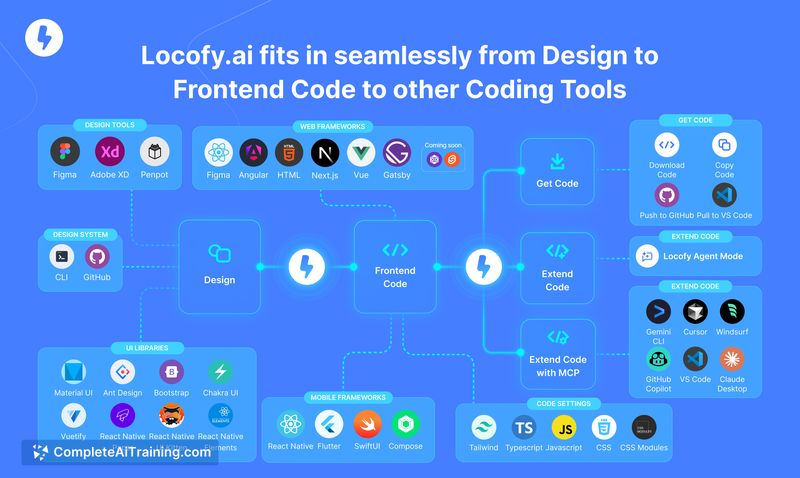
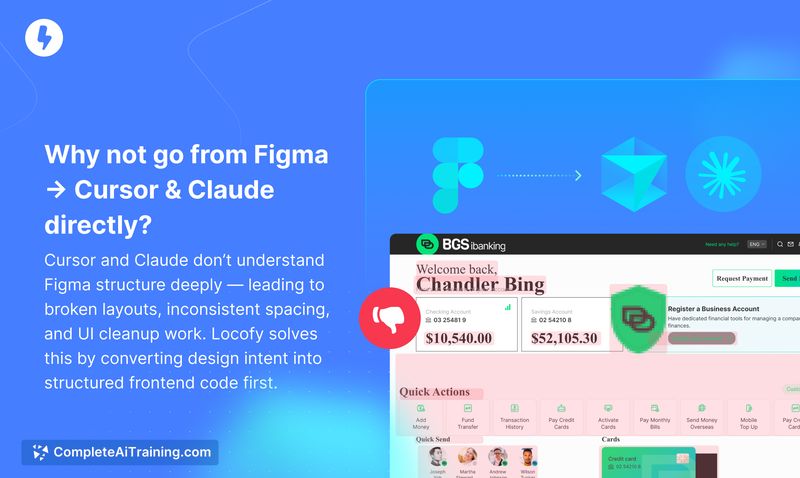
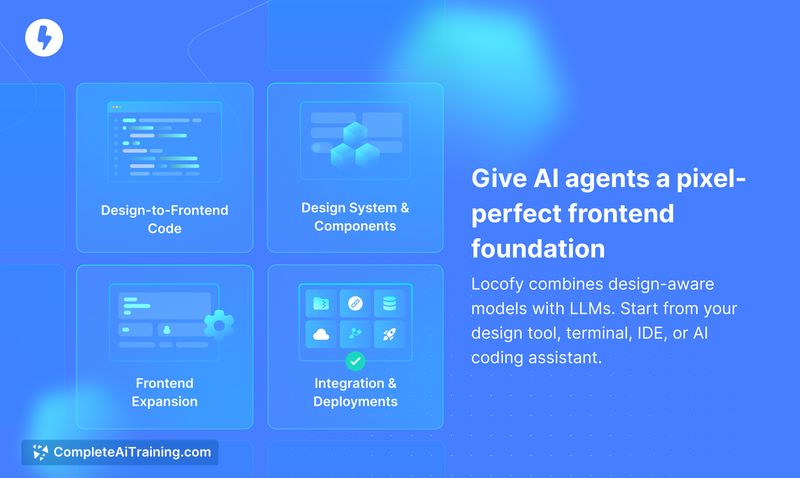
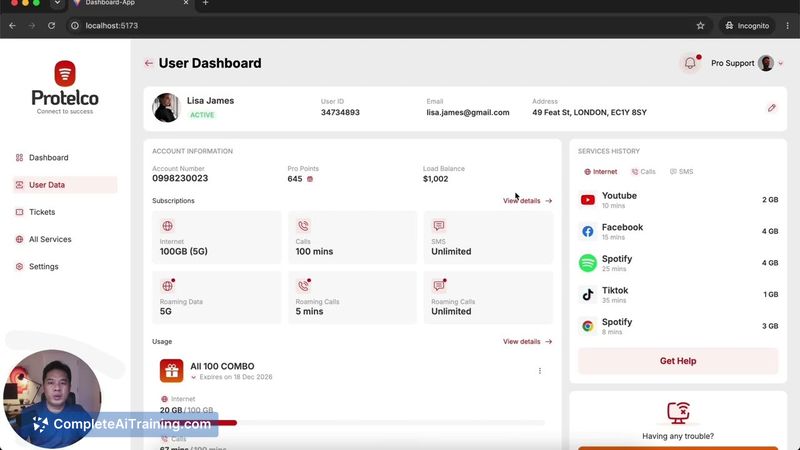
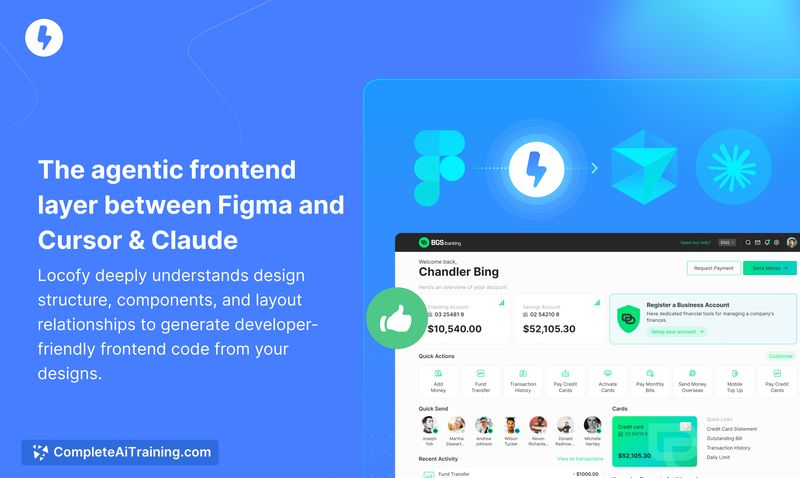
This latest version of Locofy marks a deliberate shift from a designer-centric plugin to a developer-first workflow. Instead of simply exporting code, the tool acts as a preprocessing step that generates a UI foundation before handing off to AI coding agents. This review examines how the tool handles Figma-to-code conversion, its agentic integrations, and the practical trade-offs involved.
Key Features
- Design-aware code generation: converts Figma designs into responsive frontend code using proprietary models that understand layouts, components, variables, and design intent, then further refines output with LLMs.
- CLI and editor integrations: works directly from the terminal, Cursor, and Claude Code through the Locofy MCP (Model Context Protocol) server, allowing developers to trigger code generation without leaving their environment.
- Auto-merge and diff tracking: when regenerating a screen, detects changes in the Figma source and pushes only the diff to GitHub, so pull requests remain reviewable.
- Component reuse: analyzes existing project structure and attempts to reuse matching components when merging generated code into an existing codebase, rather than replacing everything each time.
Pricing and Value
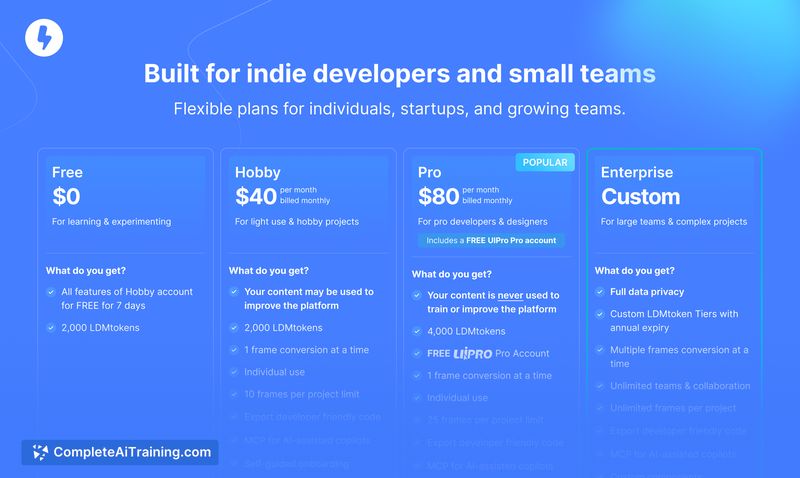
Pricing details are not yet fully defined in the launch materials. The tool is available with free options and self-serve plans. The makers describe the pricing as flexible and affordable for individuals and small teams, but specific plan tiers and costs were not disclosed at the time of this review.
Pros
- Saves time by generating frontend code from Figma designs, reducing the need for manual translation of design specs.
- Integrates into existing developer workflows through the CLI, Cursor, and Claude Code, so teams don't need to adopt a new standalone environment.
- Preserves design intent with responsive layouts and pixel-accurate output, giving developers a solid starting point.
- Incremental design updates are handled with diff-only syncs, which keeps collaboration on GitHub manageable.
- Self-serve plans let individuals and small teams use the tool without enterprise commitments.
Cons
- Code quality can be inconsistent - generated output may need manual cleanup for spacing, semantic markup, or component boundaries.
- Processing can be slow when handling large Figma frames or complex design systems.
- Not well suited for projects that do not use Figma as the primary design tool; the tool depends on Figma's structure to generate accurate code.
Locofy fits best into teams that already use Figma for design and Cursor or Claude Code for development, and who want to reduce the frontend scaffolding work. It's less useful if your design source is not Figma or if you need highly semantic, production-ready code without any manual intervention. The agentic approach is a practical middle ground for those who want design fidelity without locking themselves into a proprietary platform.
Jobs Locofy: design-to-code agents suits
We checked Locofy: design-to-code agents against 500+ jobs; these get the most out of it.
Alternatives to Locofy: design-to-code agents
Other tools that do the same main job. Our AI compared Locofy: design-to-code agents with similar tools and kept the ones you could use instead.