AI tool
NeuroVidz
NeuroVidz analyzes video and audio clips to predict engagement before publishing. It maps perceptual signals to a brain response model, giving creators an engagement score, emotion timeline, and timestamped editing suggestions.
About NeuroVidz
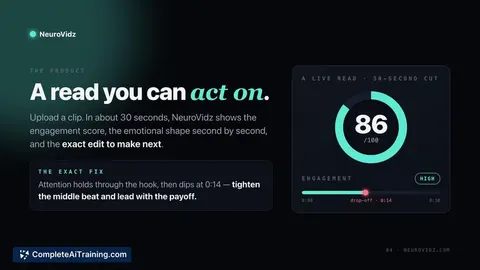
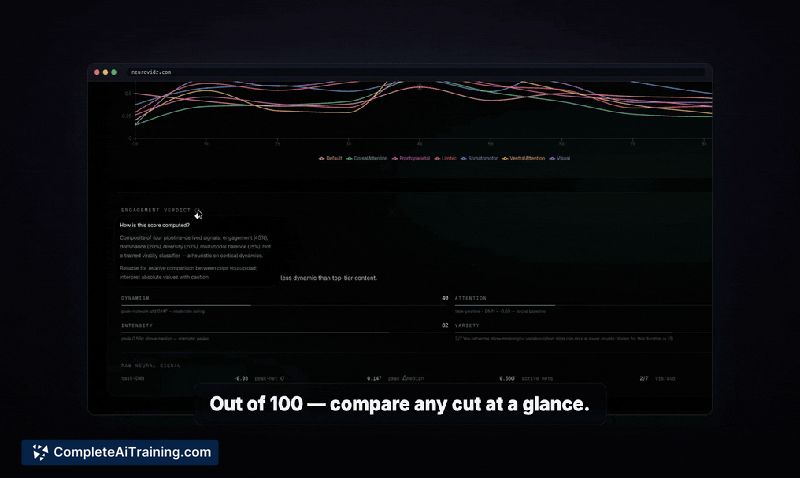
NeuroVidz is a video and audio analysis tool that models how a brain would respond to a clip. It processes both picture and sound, producing an engagement score, a per-second emotion timeline, and timestamped edit suggestions. The tool is built by a two-person team at Sandmatter and launched this week.
Review
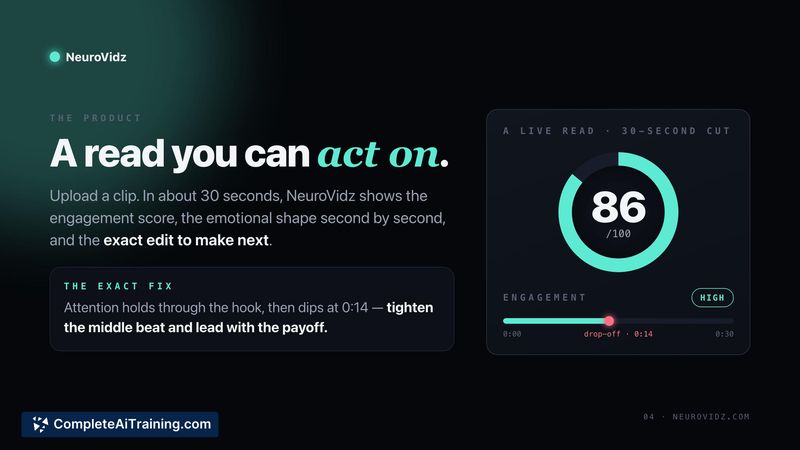
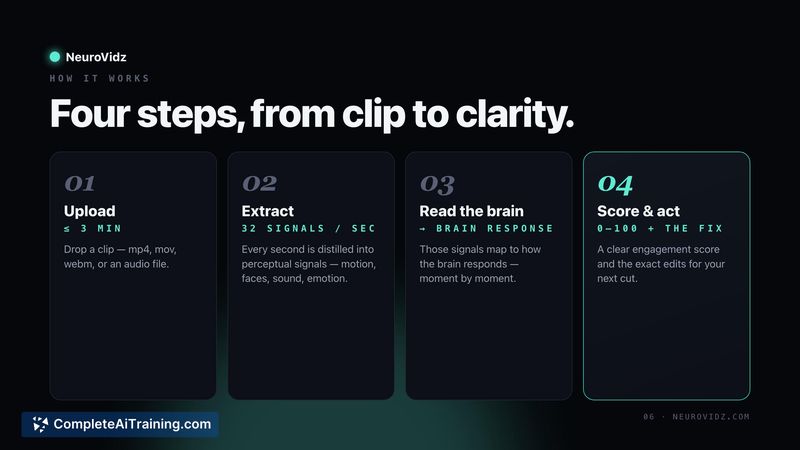
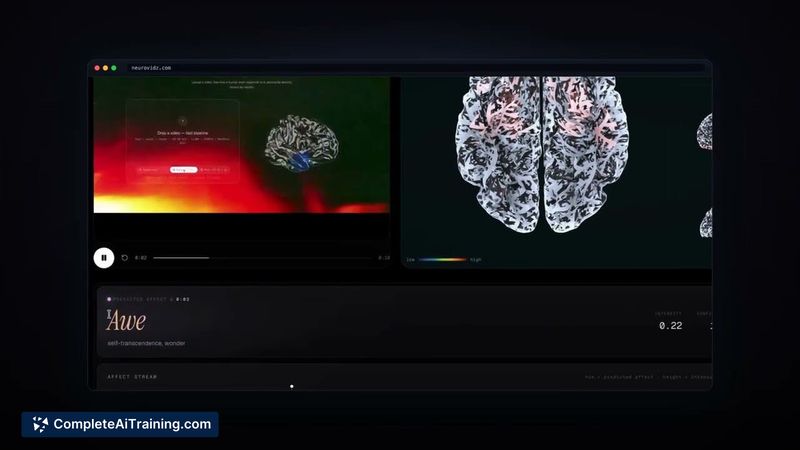
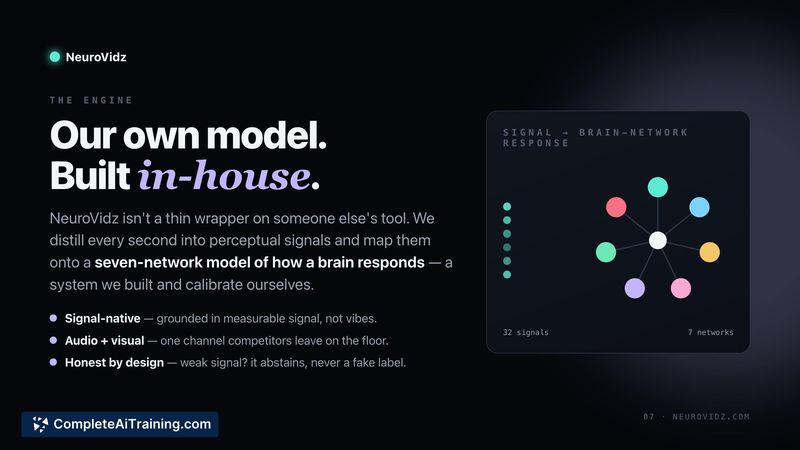
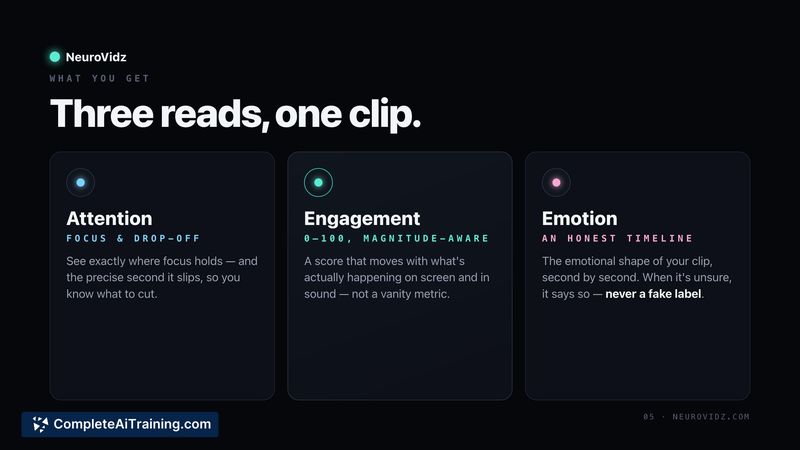
NeuroVidz takes a clip and maps its visual and auditory properties onto seven cortical networks using weights from published neuroimaging studies. The output is a stimulus-driven read, not a prediction of actual viewer retention. The tool is designed for creators who want within-clip, relative signals about where attention might slip or hold while they're still editing.
Key Features
- Measures 25+ properties per second, including motion, cuts, luminance, face expressions, sound energy, onsets, and speech vs silence.
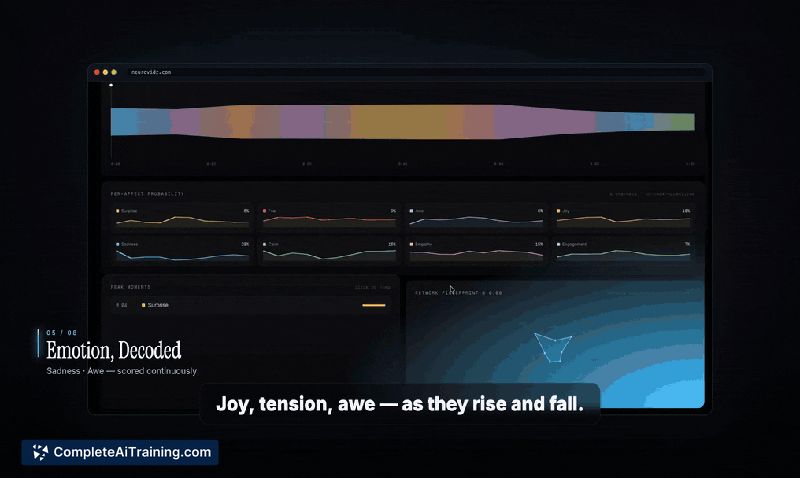
- Generates a per-second emotion timeline derived from modeled cortical network responses to those properties.
- Produces timestamped suggestions for edits based on where attention dips appear in the timeline.
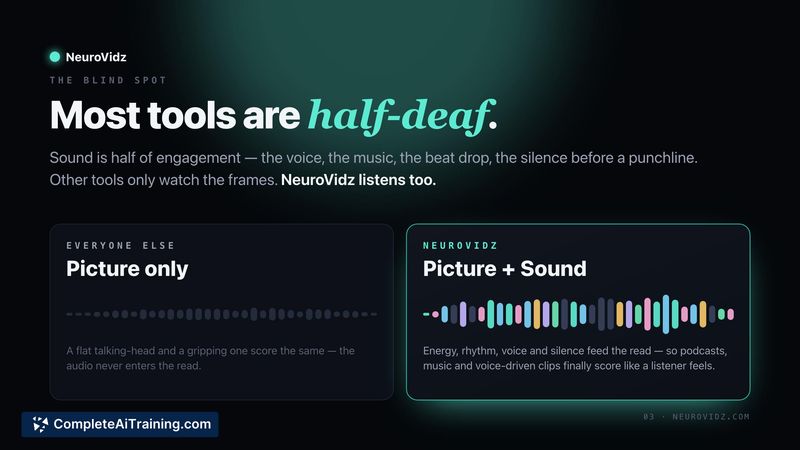
- Analyzes audio as a first-class signal - silence before a punchline registers as a salience event, not dead air.
- Automatically returns "no clear read" and refunds credits when the clip's signal is too weak for a confident analysis.
Pricing and Value
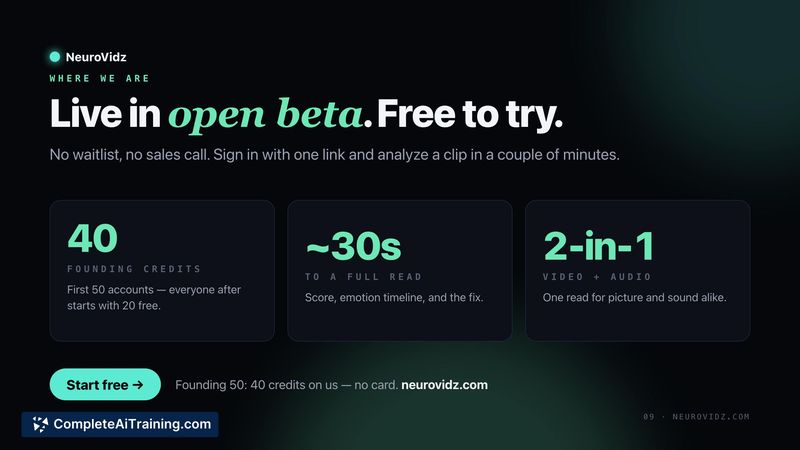
NeuroVidz offers a free start with no card required. The founding 50 accounts receive 40 credits and a founding badge; all subsequent accounts start with 20 credits. Credits are consumed per analysis, and if the tool cannot produce a confident read, those credits are refunded automatically. Pricing for additional credits beyond the initial free batch is not yet defined on the product page. Re-running an unchanged file does not cost credits. A side-by-side comparison feature for re-cuts is on the post-launch roadmap but not available at launch.
Pros
- Audio-aware analysis catches engagement triggers that frame-only tools miss, such as pauses, music dynamics, and delivery timing.
- The per-second emotion timeline gives editors granular, relative feedback to guide cuts and pacing decisions.
- Timestamped suggestions link directly to moments where attention may dip, which can speed up editing workflows.
- Refund policy for unclear reads means you're never charged for an analysis the model can't support.
- Free starting credits let you test the tool on your own clips without upfront cost.
Cons
- The engagement score is a forward model mapped to neuroimaging weights, not validated against real audience retention data. It may be internally consistent but not necessarily aligned with actual viewer behavior.
- Side-by-side comparison of two clip versions isn't available yet, which limits iterative A/B-style editing inside the tool.
- Creators who need predictions of audience retention curves or viewer-specific engagement metrics won't find that here - the tool explicitly does not model real viewers or retention.
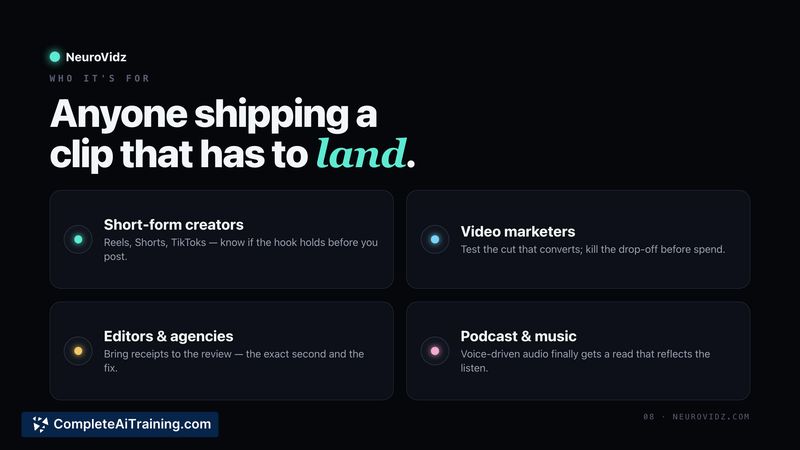
NeuroVidz fits editors working on short-form video, podcast clips, or music-driven content who want a quick, relative attention map while they're still cutting. It's less suited for teams that require validation against real watch-time data or cross-audience comparisons. The honest "no clear read" fallback and free trial credits make it easy to test whether the per-second timeline aligns with your own editing instincts.
Jobs NeuroVidz suits
We checked NeuroVidz against 500+ jobs; these get the most out of it.