About Ollang DX
Ollang DX is an AI language execution layer focused on localization across web, apps, video, audio, and documents. It provides a unified API, an SDK, and a SKILLS layer so AI agents can run localization workflows and apply translations while preserving file structure and context.
Review
This review examines how Ollang DX approaches multimodal localization for developer and product teams. It covers core capabilities, likely trade-offs, and the kinds of projects that will benefit most from adopting the platform.
Key Features
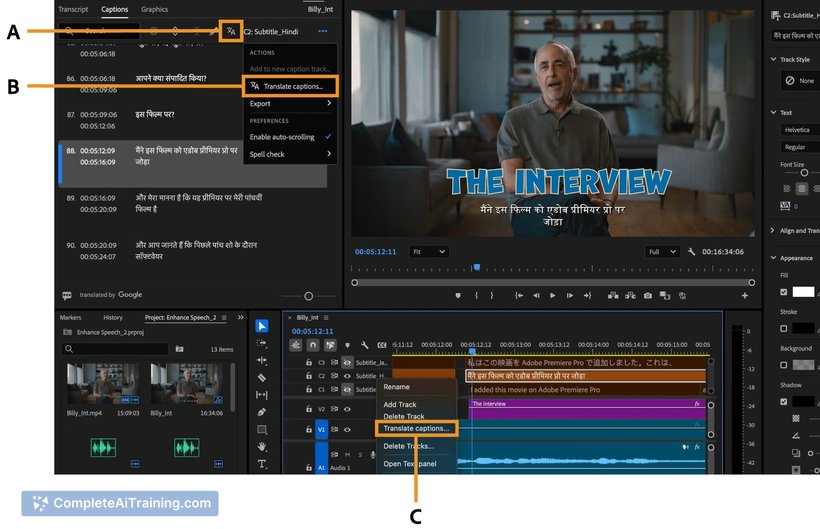
- Unified API for multimodal localization: one call can handle video, audio, DOCX, PDF, SRT, JSON/i18n and other file types while preserving structure.
- MCP execution layer and SKILLS: lets AI agents run reusable localization actions and integrate localization into agent workflows.
- SDK and integration tools: scan projects, apply translations, and push results back into repositories or CMSs with developer-friendly tooling.
- Context-aware translations and terminology memory: project context, custom instructions, and glossary-style rules help keep translations consistent and appropriate for different interfaces.
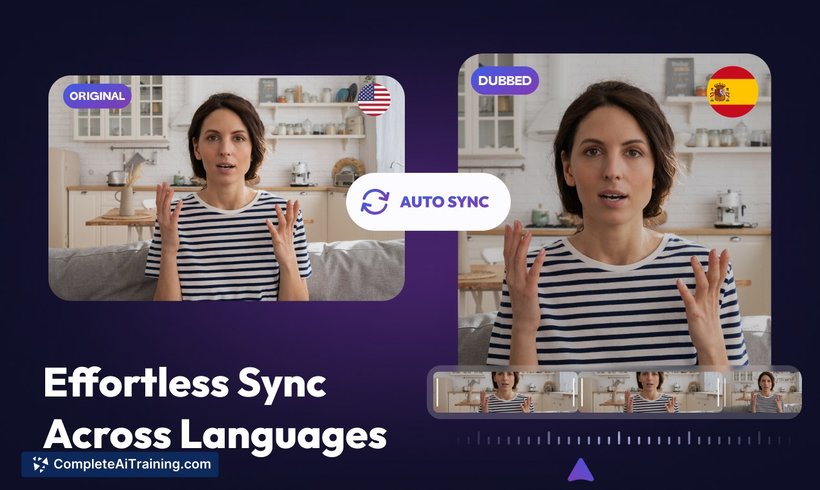
- Shared QC layer with modality-specific validators: a common evaluation approach plus validators for things like subtitle timing, dubbing sync, and JSON/schema integrity.
Pricing and Value
Public materials indicate a free getting-started option; the product positions itself as an API-first developer tool, which suggests a mix of a free tier for evaluation and usage-based pricing for API calls or media-processing time. Enterprise plans are implied for production-scale deployments and integration support. The main value proposition is simplifying and consolidating multiple localization steps into a single, agent-friendly workflow, which can reduce manual handoffs and the additional tooling usually required for multimodal localization.
Pros
- Consolidates many file types and media formats under one API, reducing the need for multiple third-party services.
- Integrates with agent workflows via a SKILLS layer, enabling automation inside developer pipelines.
- Maintains context and structure for JSON/i18n and other structured formats, lowering risk of breaking integrations.
- Built-in QC approach and modality-aware validators help maintain consistent quality across output types.
- Developer-focused tooling (SDK, API) makes it straightforward to embed into CI/CD or content pipelines.
Cons
- Early-stage offering: integrations and agent support may be expanding, so some specific agent or platform adapters may be missing at launch.
- Setup and configuration require careful project-level instructions and glossary management to get consistent results for domain-specific terminology.
- High-volume media localization (video/audio) can become costly and may still need human QA for subtle cultural or performance-sensitive content.
Ollang DX is best suited for engineering teams, localization teams, and product teams that need to bring localization earlier into development workflows and handle many media types from a single platform. For teams managing structured i18n files and media at scale, it can cut down on orchestration work; small projects should start with a pilot to validate integration and cost assumptions before full production rollout.
Open 'Ollang DX' Website
Your membership also unlocks: