AI tool
OzBrain
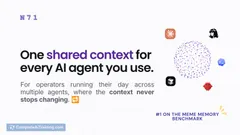
OzBrain provides a shared knowledge base that AI agents and teams can read from and write to, keeping instructions and context in one place. It is for people who use multiple AI tools and need a single source of truth without managing files manually.
About OzBrain
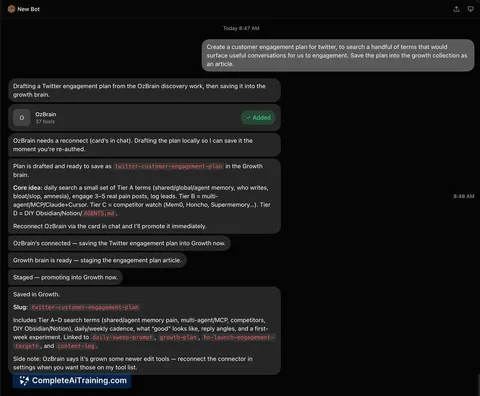
OzBrain is a knowledge base tool that functions as a shared memory system for AI agents and human teammates. It lets multiple agents read from and write to the same repository of information, with built-in conflict handling and versioning that deprecates old entries rather than overwriting them. The tool encrypts all stored data, does not train on user content, and allows full export to markdown at any time.
Review
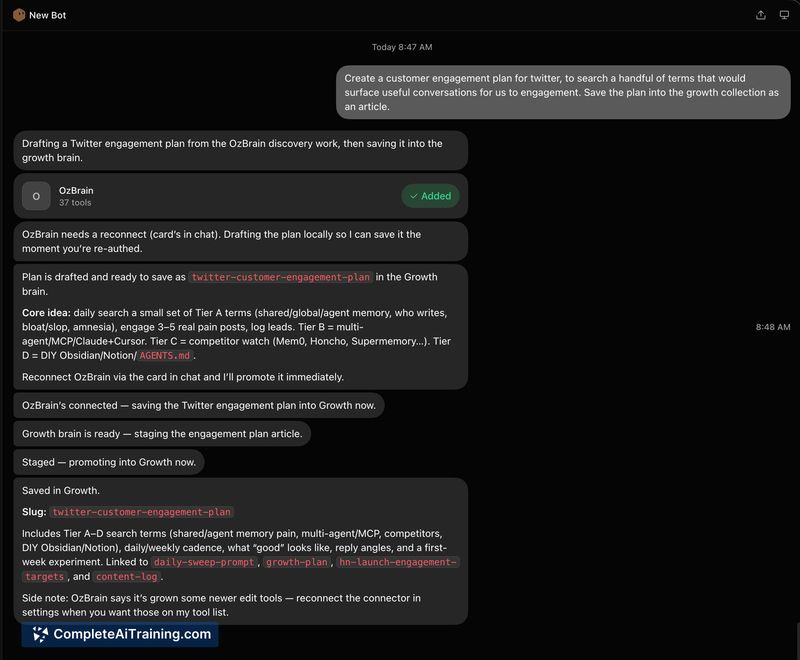

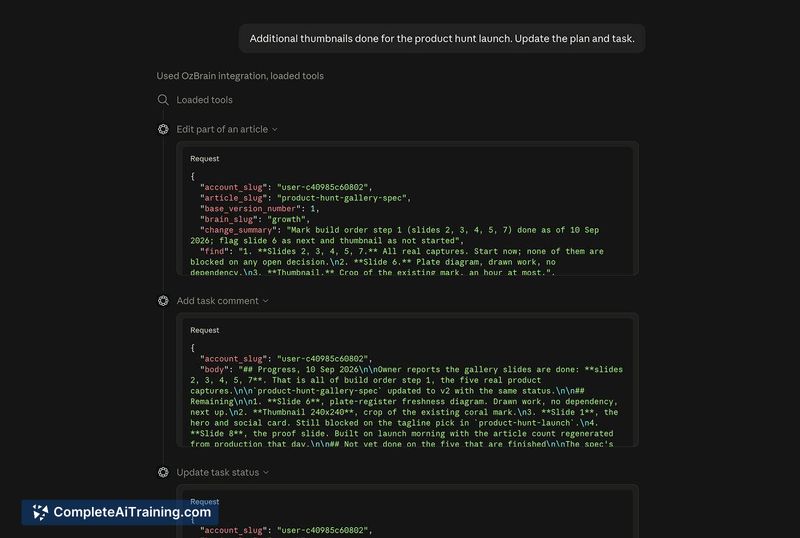
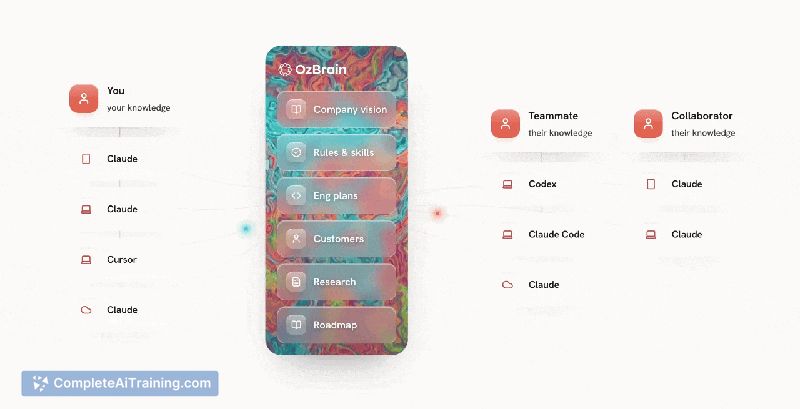
OzBrain approaches the problem of fragmented agent knowledge by centralizing context that would otherwise live in scattered markdown files, Notion databases, or local git repos. The creator built it after running into the same issue personally-losing track of which agent had the latest version of a plan or instruction set. The result is a system designed to be set once and then accessed entirely through agents, with little need to visit the UI after initial configuration.
Key Features
- Shared agent-accessible knowledge base: Multiple AI agents and human users read from and write to the same collections. A new chat session can pick up where previous work left off, drawing on what collaborators have already contributed.
- Stage/promote conflict resolution: When two agents attempt simultaneous writes, the system surfaces the collision to one agent for resolution. Both writes remain in version history, and a human can override decisions manually.
- Deprecation-based versioning: New information does not erase older entries. The system deprecates previous versions and links to the most current thinking, with a log recording what changed and which agent made the change.
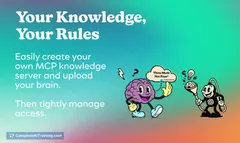
- Collection-level sharing controls: Users can share specific collections with teammates, setting read or read-write access per collection rather than exposing everything in the brain.
- Encryption and export: All content is encrypted. Users can export their entire brain to markdown at any time without lock-in.
Pricing and Value
OzBrain is currently free to use. The creator has not announced a formal pricing model yet, and the tool is in an early stage where the maintenance loop feature is still in alpha. Pricing details remain undefined as of this review.
Pros
- Works across different AI tools-Claude, Cursor, ChatGPT, and others-without requiring users to switch platforms.
- Conflict handling and version deprecation reduce the maintenance burden that comes with manual file syncing or database management.
- Setup takes only a prompt or two, and agents can update the brain by adding a line to their existing skills or routines.
- Encryption and a no-training policy mean proprietary research, notes, and IP stay private.
- Export-to-markdown removes the risk of data lock-in, which matters for teams evaluating long-term adoption.
Cons
- The maintenance loop that keeps the brain organized over time is still in alpha, so long-term self-upkeep behavior isn't fully proven yet.
- Access control is currently limited to collection-level sharing; teams needing fine-grained permissions or project scoping may find this insufficient.
- Engineers who already maintain a disciplined git-based workflow for agent context won't see enough additional structure to justify switching.
OzBrain fits teams and individuals who run multiple AI agents and find themselves manually copying context between tools or losing track of which version of a document is current. It's less suited for solo users with a single agent and a simple Notion hook, where the overhead of an additional system may not be necessary. The tool's agent-first design means nearly all interaction happens through the agents themselves-users comfortable with that pattern will get the most out of it.
Jobs OzBrain suits
We checked OzBrain against 500+ jobs; these get the most out of it.
Alternatives to OzBrain
Other tools that do the same main job. Our AI compared OzBrain with similar tools and kept the ones you could use instead.