MCP server · Developer tools
MCP Observatory
by KryptosAI
Check the MCP servers you use for broken tools, risky settings, and changes over time.

MCP Observatory is a small tool that checks other MCP servers for you. It connects to them, looks at what they offer, and tells you if something is broken, risky, or has changed since last time. It is handy if you or your team build or rely on MCP servers and want to catch problems before they reach real users.
What is an MCP server? The 30-second version
On its own, your AI can only chat with you. An MCP server is a small helper program that gives your AI a new skill or a connection to an app or service. This one is itself an MCP server, and its skill is checking other MCP servers: it connects to them, looks at their tools, and reports back. So you can ask your AI to inspect another server and it will use this helper to do that.
What this MCP server does
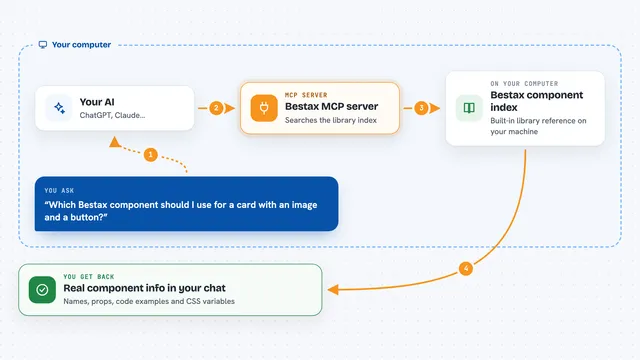
You ask your AI to check an MCP server, or you run a short command yourself. The tool connects to that server and asks it what tools, prompts, and resources it offers. It then tries safe tools to see if they actually work, and looks for risky patterns in how they are set up. It saves what it found so you can compare it later and spot anything that changed. You get back a grade, a list of findings, and a saved file you can review.
 Click to zoom
What you can do with it
- Check an MCP server and see if its tools respond correctly
- Test safe tools to confirm they actually run and do not crash
- Compare two runs and spot added, removed, or changed fields
- Look for risky patterns like shell access or missing login checks
- Record a session and replay it later without the live server
- Suggest MCP servers based on what your project already uses
- Generate a health score and a badge for your README
Try asking your AI
- “Check the MCP servers I have configured and tell me if anything is broken”
- “Run a deep scan on this MCP server and show me which tools fail”
- “Compare my last two scans and tell me what changed”
- “What MCP servers should I add for this project?”
What it gives back to you
You get a short report in your chat or terminal: a grade, a list of findings, and the path to a saved file. The findings tell you what passed, what failed, and what looks risky. If you compare two runs, you also see exactly which fields were added, removed, or changed. Nothing is changed on the servers it checks unless you ask it to.
Before you start
What you need
- Node.js 20 or newer and npm
- An MCP server to check, or you can try the built-in example
Good to know
It connects to and inspects your MCP servers, and some commands like protect can rewrite your client config files, so review what it plans to change before you run them.
Install it with your AI
Add MCP Observatory to your AI, no technical skills needed
You don't install anything by hand. You copy one prompt, paste it into an AI that can work on your computer, and it checks, installs and connects the server for you, asking you when it needs something.
Sign in to get the install prompt
Members get a ready-made prompt that lets the Claude desktop app check MCP Observatory, install it and connect it for them, step by step. You don't need any technical skills: you copy, paste and answer a few questions. Your connected AI can also find and install any of the 4,609 MCP servers here for you.
Who it's for
Developers and platform or security teams who build or depend on MCP servers and want to catch problems before they reach users.