MCP server · Security
quantakrypto post-quantum MCP server
by quantakrypto
Lets your AI scan code for old-style crypto that quantum computers could break, and suggest safer replacements.

This is a helper for your AI that looks through code and finds the kinds of encryption that future quantum computers could crack. It then tells you what to move to instead, and can check whether a fix actually worked. It is handy for developers, security folks, and anyone whose team has started asking about quantum readiness.
What is an MCP server? The 30-second version
On its own, your AI can only chat with you. An MCP server is a small helper program that gives your AI a new skill or a connection to something outside the chat. This one gives your AI a set of post-quantum readiness tools, so it can look through your code, spot risky cryptography, and explain what to change. You still ask in plain words, and the AI uses this helper behind the scenes.
What this MCP server does
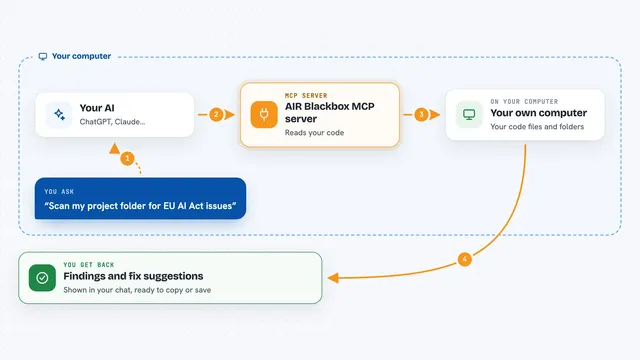
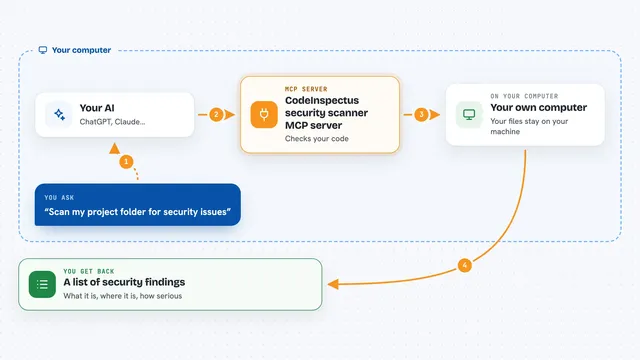
You ask your AI something like "scan this project for old crypto." The AI passes that request to this helper. The helper reads the files, looking for things like RSA, ECDH, ECDSA, and DH, which are the older ways of doing encryption and signing. It comes back with a list of what it found, where it found it, and a readiness score. It can also explain a finding, suggest a safer replacement, or check whether a fix you made actually removed the problem.
 Click to zoom
What you can do with it
- Scan a codebase and list the quantum-vulnerable cryptography it finds
- Get a readiness score that sums up how much work is left
- Ask for a plain-language explanation of any single finding
- Get suggestions for safer replacements, including hybrid options
- Build a migration plan that puts the fixes in a sensible order
- Produce a CBOM (a machine-readable inventory of the cryptography in use)
- Check whether a fix you made really removed the vulnerable code
Try asking your AI
- “Scan this project folder and tell me what quantum-vulnerable crypto is in it”
- “Explain the RSA finding in our login service and what I should use instead”
- “Make me a migration plan for the findings, easiest fixes first”
- “Check whether my last commit actually removed the ECDSA usage”
What it gives back to you
You get back a list of findings, each with the file, the line, and the kind of crypto involved. You also get a readiness score and, if you ask, a short explanation or a suggested replacement. For migration work, it can hand back an ordered plan or a CBOM file. The answers show up right in the chat, so you can read them and ask follow-up questions.
Before you start
What you need
- Node.js 20 or newer installed on your computer
- The Claude desktop app or another AI tool that supports MCP servers
- Your project files on the same computer, so the helper can read them
Good to know
The remediate tool can change your code, and the probe tool can connect to live servers, so review the changes and only point it at systems you own.
Install it with your AI
Add quantakrypto post-quantum MCP server to your AI, no technical skills needed
You don't install anything by hand. You copy one prompt, paste it into an AI that can work on your computer, and it checks, installs and connects the server for you, asking you when it needs something.
Sign in to get the install prompt
Members get a ready-made prompt that lets the Claude desktop app check quantakrypto post-quantum MCP server, install it and connect it for them, step by step. You don't need any technical skills: you copy, paste and answer a few questions. Your connected AI can also find and install any of the 4,609 MCP servers here for you.
Who it's for
Developers, security engineers, and platform teams who need to find and fix old cryptography before quantum computers make it unsafe.