MCP server · Developer tools
TestCollab MCP server
by TCSoftInc
Lets your AI list, create, and update test cases, plans, and suites in TestCollab for you.

This is a small helper that connects your AI assistant to TestCollab, a tool teams use to keep track of software tests. Once it is set up, you can ask your AI in plain words to find, add, or change test cases and plans, and it will do the clicking for you. It is handy for testers, QA folks, and anyone who spends a lot of time inside TestCollab.
What is an MCP server? The 30-second version
On its own, your AI can only chat. An MCP server is a little helper program that gives your AI a new skill or a connection to another app. This one connects your AI to TestCollab, so when you ask about your test cases or plans, the AI can actually go look them up or make changes there. You do not need to understand how it works under the hood. You just add it once and then talk to your AI like normal.
What this MCP server does
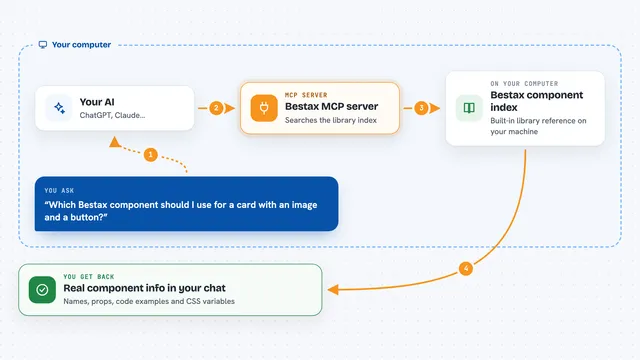
You ask your AI something like show me the test cases in the Login suite. Your AI passes that request to this helper, which talks to TestCollab using your account. TestCollab sends back the matching test cases, and the helper hands them to your AI. Your AI then shows you a tidy list or summary right in the chat. The same flow works when you ask it to create a new test case or move a suite.
 Click to zoom
What you can do with it
- List test cases in a project, with filters and sorting
- Fetch a single test case with all its steps
- Create a new test case with steps, tags, and custom fields
- Update any field on an existing test case
- List and create test plans, including release associations
- List, create, update, move, and delete test suites
- Get a quick overview of a project's suites, tags, and users
Try asking your AI
- “Show me all high-priority test cases in the Login suite”
- “Create a test case for verifying password reset with 5 steps”
- “List all test plans created this week”
- “Move the Payment suite under the Checkout suite”
What it gives back to you
You get answers in plain chat: lists of test cases or plans, a single test case with its steps, or a short summary of what changed. When you ask it to create or update something, it tells you what it did, like the new test case name or the field it changed. Numbers like counts and progress statuses come back as simple text. Nothing shows up as a file unless you ask your AI to save one.
Before you start
What you need
- A TestCollab account
- An API token from your TestCollab profile settings
- Node.js 20 or newer installed on your computer
- An MCP-compatible client like Claude Desktop, Claude Code, Cursor, Windsurf, or Codex
Good to know
It can create, change, and delete test cases, plans, and suites in your real TestCollab account, so double-check before you say yes to a delete.
Install it with your AI
Add TestCollab MCP server to your AI, no technical skills needed
You don't install anything by hand. You copy one prompt, paste it into an AI that can work on your computer, and it checks, installs and connects the server for you, asking you when it needs something.
Sign in to get the install prompt
Members get a ready-made prompt that lets the Claude desktop app check TestCollab MCP server, install it and connect it for them, step by step. You don't need any technical skills: you copy, paste and answer a few questions. Your connected AI can also find and install any of the 4,609 MCP servers here for you.
Who it's for
Testers, QA engineers, and anyone who manages test cases and plans in TestCollab and wants to do it by chatting instead of clicking.