MCP server · Coding
Forge MCP server
by TT-Wang
Turns a big coding task into a plan, runs the pieces in parallel, and checks the work.

Forge is a helper for Claude Code that takes one big goal and breaks it into smaller pieces. It runs those pieces in parallel, checks each one, and retries the ones that fail. It is handy if you use Claude Code for tasks that touch many files and you keep losing track of what is happening.
What is an MCP server? The 30-second version
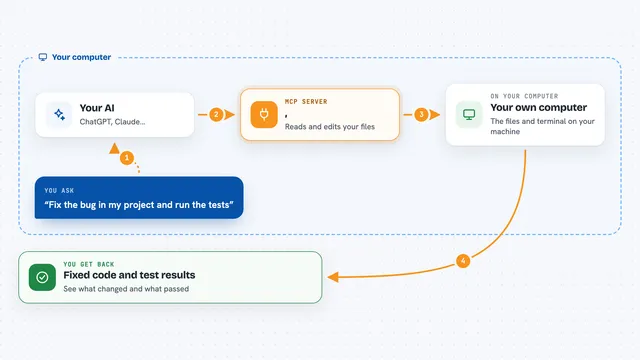
On its own, your AI can only chat. An MCP server is a small helper program that gives your AI a new skill or a connection to something. This one, Forge, gives Claude Code a way to plan work, run modules in parallel, validate results, and remember what worked. You still use Claude Code the same way; Forge just adds structure behind the scenes.
What this MCP server does
You type a goal like /forge add audit logging for admin actions. Forge's planner looks at your code and proposes a plan made of modules with dependencies. You approve the plan. Then worker agents build each module in its own isolated copy of your project, running in parallel where possible. A reviewer checks the results, and a debugger steps in when something fails. At the end you get a summary of which modules finished and which did not.
 Click to zoom
What you can do with it
- Break a large feature into a plan of modules with dependencies
- Run independent modules at the same time in separate worktrees
- Validate each module against commands and acceptance criteria you approved
- Retry failed modules with extra debugging context
- Resume an unfinished session instead of starting over
- Remember conventions and failure patterns across sessions
- Show live progress in your terminal status line
Try asking your AI
- “/forge add JWT auth with refresh tokens”
- “/forge build an audit log for admin actions”
- “/forge-status”
- “/forge-validate m2”
What it gives back to you
You get a proposed plan first, which you approve, modify, or abort. During the run you see progress messages like which module is executing, which passed, and which failed. At the end you get a short summary such as 4/4 modules completed. Forge also writes plans, logs, retry history, and memory into a local .forge folder in your project.
Before you start
What you need
- Claude Code installed and open
- A project folder you want to work in
- Node.js, since Forge installs its MCP server dependencies with npm
Good to know
Forge runs real commands and edits files in your project, so review the plan before approving it and keep your work in version control.
Install it with your AI
Add Forge MCP server to your AI, no technical skills needed
You don't install anything by hand. You copy one prompt, paste it into an AI that can work on your computer, and it checks, installs and connects the server for you, asking you when it needs something.
Sign in to get the install prompt
Members get a ready-made prompt that lets the Claude desktop app check Forge MCP server, install it and connect it for them, step by step. You don't need any technical skills: you copy, paste and answer a few questions. Your connected AI can also find and install any of the 4,609 MCP servers here for you.
Who it's for
Developers and technical teams who use Claude Code for multi-file features and want a structured plan, parallel execution, and validation.