
AI news ·
Agentic AI labor market forecast to reach $23 billion by 2030 at 42.8% annual growth rate
The agentic AI market will reach $23 billion by 2030, growing 42.8% annually, driven by labor shortages and demand for autonomous software. HR teams are among the primary targets, with AI taking over hiring, onboarding, and workforce planning tasks.
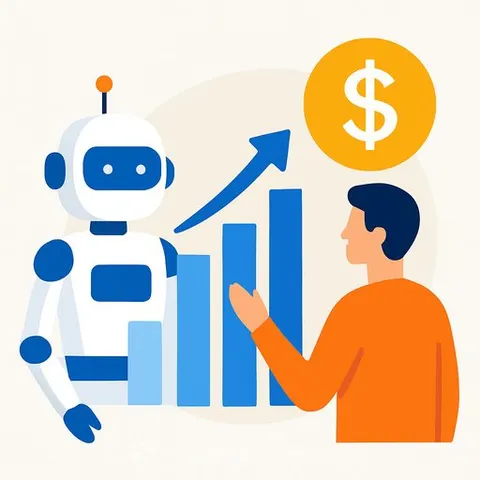
Agentic AI Market to Hit $23 Billion by 2030, Reshaping HR Operations
The agentic AI labor market will reach $23.07 billion by 2030, growing at a compound annual rate of 42.8%, according to market research. The expansion reflects broad corporate adoption of AI agents-software that performs tasks autonomously-to address persistent labor shortages and improve operational efficiency.
For HR professionals, the implications are direct. Agentic AI will automate routine hiring, onboarding, and employee management tasks. It will also optimize workforce planning and free HR teams to focus on strategy and employee development rather than administrative work.
What's Driving the Growth
Several factors are accelerating adoption. Companies face ongoing difficulty filling skilled positions. Self-learning AI systems are becoming more capable. Enterprises want scalable digital workers they can deploy quickly. And organizations prioritize agility-the ability to adjust operations fast as business needs change.
Key trends during the forecast period include autonomous task execution, AI-driven workforce optimization, and human-AI collaboration models where employees work alongside AI agents rather than being replaced by them.
Major Players and Recent Moves
Tech giants including Google, IBM, Cisco, Oracle, Salesforce, and Nvidia are actively building agentic AI solutions. ServiceNow, Automation Anywhere, and Pegasystems focus specifically on workflow automation for enterprises.
In March 2025, automation firm UiPath acquired Peak Artificial Intelligence, a UK company specializing in decision intelligence and agentic AI. The deal aims to expand UiPath's capabilities across industries by integrating Peak's technology.
That same month, Deloitte launched Zora AI, a platform built on multi-agent systems-multiple AI agents working together on complex tasks. Zora handles finance, customer service, and other business functions by automating workflows and enabling real-time decision-making.
How Organizations Are Deploying Agentic AI
Deployment varies by company size and need. Large enterprises typically use cloud-based solutions-public, private, or hybrid. Smaller organizations may opt for on-premises deployment in their own data centers or edge AI infrastructure.
Application areas span customer service, human resources, sales and marketing, operations, and research and development. Industries adopting agentic AI include banking and financial services, healthcare, manufacturing, retail, and IT.
For HR specifically, agentic AI handles candidate screening, interview scheduling, benefits administration, and employee engagement tracking. The technology learns from past hiring decisions and improves recommendations over time.
What HR Leaders Should Know
The shift toward agentic AI means HR departments will need to manage both human employees and AI agents as part of the workforce. This requires new skills-understanding how to configure AI systems, interpret their recommendations, and maintain human oversight of automated decisions.
Organizations adopting these tools early will gain efficiency advantages. Those slower to adopt may struggle to compete for talent and operational speed.
Learn more about AI for Human Resources and AI Agents & Automation to understand how these technologies apply to your role.