
AI news ·
German HR departments face August 2026 deadline as EU AI Act classifies recruitment tools as high-risk
German HR departments must comply with the EU AI Act by August 2, 2026, which classifies all HR-related AI as high-risk. Nearly half of German HR decision-makers have budgeted for AI, yet 46% already use unauthorized tools.
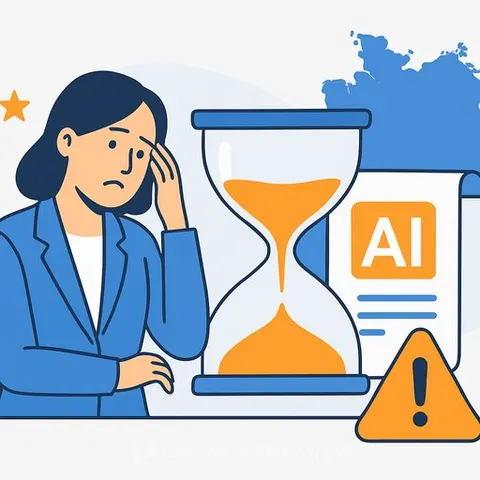
German HR Departments Face August 2026 Deadline for EU AI Compliance
German human resources departments must overhaul how they use artificial intelligence by August 2, 2026. The EU AI Act will classify all HR-related AI applications as high-risk systems, requiring companies to implement new risk management, transparency, and governance protocols. A proposal to delay the deadline to December 2027 remains unresolved as of early June.
The timing creates pressure on an industry already investing heavily in AI tools. SD Worx found that 48 percent of German HR decision-makers had budgeted for AI solutions by spring 2026, up from 38 percent a year earlier. Mid-sized employers with 250 to 2,499 staff are spending most aggressively: 57 percent allocated funds for AI. Around 40 percent of all employers report measurable results from their deployments.
Recruiting Tools Gain Traction
LinkedIn launched a German-language AI recruiting assistant in early June, with Siemens, SAP, and SRH Holding among first adopters. The tool cuts manual profile screening by up to 81 percent and saves recruiters roughly 1.5 hours per filled position.
The appeal reflects a real business problem. Fifty-three percent of German HR professionals cite skills shortages as their biggest obstacle.
Shadow AI and Governance Gaps
The rapid adoption masks a compliance problem. The German Association for Personnel Management (DGFP) found that 46 percent of respondents use generative AI tools their employer never officially provided-so-called "shadow AI." Only 47 percent of businesses have adopted guidelines for ethical AI use.
The DGFP warns that HR departments need new core competencies: system literacy, AI governance, and the ability to actively shape AI-driven processes.
AI Skills Command Higher Pay
The technology is reshaping compensation and career trajectories. Job postings mentioning AI requirements surged by up to 5,000 percent between 2021 and 2026, according to Randstad analysis. Workers with AI skills earn up to 25 percent more and are promoted 3.5 times faster.
IW Köln research confirms the trend. Switching to an AI-related role brings an average 17.3 percent salary increase, compared to 11.1 percent for non-AI moves. In finance and IT, 68 to 76 percent of companies pay premiums for AI specialists.
Losers and Winners
Not all occupations benefit. Freelancers in translation and text work report income losses of up to 40 percent. Major banks including JP Morgan and Citigroup cut their trainee programmes by two-thirds, replacing certain entry-level roles with AI.
Security Risks Emerge
In spring 2026, a vulnerability in Meta's AI support system exposed roughly 20,000 accounts to takeover. The breach underscores security risks for any organization betting heavily on the technology.
New Tools Accelerate Change
New HR-focused AI tools continue emerging. NotebookLM now generates multimedia content from job ads, Averis AI conducts AI-powered initial interviews, and specialized analytics platforms measure employer visibility in AI-generated search results.
For HR professionals, the August 2026 deadline means compliance work cannot wait. AI for Human Resources training and governance frameworks should be priorities. Leadership may also benefit from an AI Learning Path for CHROs to develop the strategic oversight these regulations require.