
AI news ·
AI trial matching tools improve screening but leave key recruitment barriers unresolved, researchers argue
AI can screen cancer trial eligibility in 2 hours instead of 150, but faster matching doesn't fill trials. Discovery gaps, stale registry data, and broken referral pathways block patients from enrolling.
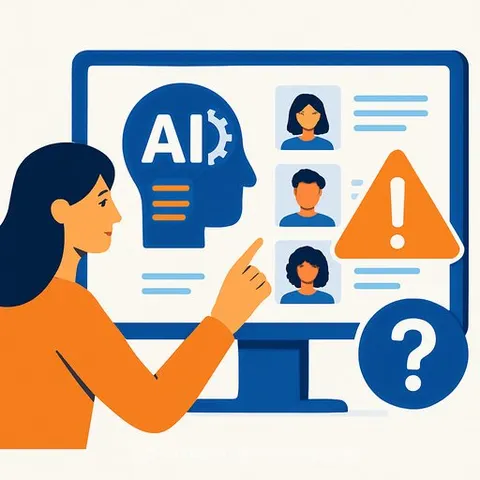
AI Trial Matching Alone Won't Solve Oncology Recruitment Problem
Artificial intelligence can identify eligible cancer patients for clinical trials far faster than manual review, but the technology does not automatically translate into higher enrollment. Three structural barriers-limited trial discovery, outdated recruitment information, and fragmented referral pathways-prevent eligible patients from reaching relevant studies, even when algorithms flag them as suitable candidates.
AI-powered matching systems have shown measurable speed gains. One system reduced eligibility screening time from approximately 150 hours to two hours in hepatocellular carcinoma cases. A German breast cancer center that integrated an AI matching platform into tumor board preparation doubled trial inclusion rates from 16% to 33%.
The tools work by converting unstructured trial eligibility criteria from registries like ClinicalTrials.gov into searchable data, then comparing patient information against those criteria. This eliminates time spent manually reading complex protocols.
Where Algorithms Hit Their Limits
Trial discovery breaks down at the site level. When matching systems only search trials available at a local institution, they miss studies at other recruiting centers that may be better fits for the patient.
Public trial registries also lag behind operational reality. While regulations require updates when recruitment status changes, publication delays of several weeks are common. Registries frequently lack information about cohort availability or site-specific enrollment capacity.
Even when a relevant trial surfaces, the referral process often stalls. Pathways between physicians and study sites are frequently fragmented or operationally complex, creating friction that discourages referrals.
What Infrastructure Needs to Change
Addressing these gaps requires more than better algorithms. Systems need to connect multiple layers of the recruitment process simultaneously.
Broader trial discovery requires sponsor-agnostic searches that surface studies beyond the local site portfolio. Accurate recruitment status depends on continuously updated trial data that combines sponsor updates with real-time feedback from study sites and healthcare professionals. Simplified referrals need trusted pathways allowing physicians to direct patients to recruiting sites with minimal administrative burden.
Platforms integrating these elements create shared infrastructure connecting sponsors, study sites, healthcare professionals, and patients. In that setup, AI moves from theoretical matching to real-world access-ensuring patients reach the right trial at the right site and time.
For more on AI for Healthcare, explore how machine learning is being applied across clinical settings.