
AI news ·
AI's growing energy demand strains carbon goals as data center use set to double by 2030
U.S. data centers used 183 terawatt hours in 2024-equal to Arizona's entire power consumption-and that's projected to more than double by 2030. Most grids still run on fossil fuels, meaning AI growth could worsen emissions rather than reduce them.
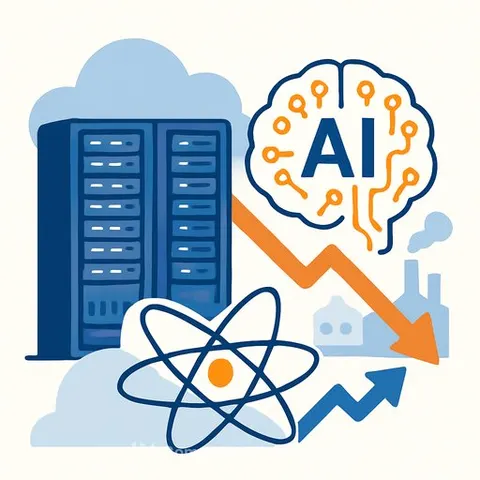
AI's Energy Demand Is Outpacing Carbon Reduction Goals
U.S. data centers consumed 183 terawatt hours of electricity in 2024-roughly equivalent to the annual power use of Arizona or Washington state. That figure is projected to grow 133% by 2030, driven by AI adoption across healthcare, supply chains, transportation and agriculture.
The problem: most electricity grids still rely heavily on fossil fuels. Without access to low-carbon energy, scaling AI could undermine global sustainability efforts rather than support them.
The Rebound Effect Works Against Efficiency Gains
Even as AI models become more efficient, total energy consumption continues rising. This is the rebound effect-when efficiency makes a technology cheaper and more accessible, overall usage increases enough to offset the per-unit savings.
A more efficient AI model means more organizations adopt it. More adoption means higher total electricity demand, regardless of how much each individual query consumes.
The Real Cost Goes Beyond the Power Bill
Training large language models and running inference requires far more than electricity. Data center cooling systems consume significant volumes of water, straining local supplies in water-scarce regions.
Hardware manufacturing demands rare earth minerals and critical resources, disrupting ecosystems and generating pollution. Rapid hardware turnover produces e-waste containing hazardous materials that can contaminate soil and water. Data centers also strain local power grids, increasing reliance on fossil-fuel plants and concentrating pollution in vulnerable communities.
These impacts mirror the systemic harms of oil and gas industries: pollution, resource depletion and public health challenges concentrated in specific regions.
Measurement Standards Come First
Organizations cannot manage what they cannot measure. Without consistent methods for tracking AI's energy use and emissions, companies struggle to evaluate whether new efficiencies actually work.
Standard reporting frameworks would let organizations compare progress, identify improvement areas and make informed decisions about scaling AI responsibly. This requires collaboration across researchers, companies and public institutions to share lessons and create better practices.
Life Cycle Assessment Reveals Hidden Impacts
Looking only at daily electricity use misses significant environmental costs. A full life cycle assessment examines raw material extraction, hardware manufacturing, operational power and cooling, and end-of-life equipment disposal.
Without this wider view, improvements in model efficiency can mask impacts occurring earlier or later in the supply chain. A complete system perspective makes sustainability claims credible and helps organizations make informed decisions.
Education and Collaboration Enable Responsible Growth
Developers need training on building and deploying resource-efficient models. Business leaders and policymakers need clearer understanding of how AI adoption affects energy use and emissions. Public awareness prepares communities to participate in decisions about how digital technologies support sustainable infrastructure.
Sustainability is increasingly part of broader conversations about trustworthy AI, alongside fairness, accountability and reliability. This shift encourages clearer communication about energy demands and more attention to hardware and software choices that influence waste.
The Path Forward Requires Grid Decarbonization
AI's long-term sustainability depends on lowering the carbon intensity of the electricity that powers it. Expanding renewable energy generation, improving storage capacity and modernizing transmission infrastructure must advance in parallel with operational efficiencies and better system design.
Steady investment and cross-sector cooperation can enable AI to advance while supporting long-term climate goals. For management teams, this means factoring energy costs and carbon intensity into AI adoption decisions now, rather than discovering constraints later.
AI for Executives & Strategy and AI for Management resources can help leaders understand these tradeoffs and build sustainable AI strategies.