
AI news ·
Drum Awards judges say AI era makes human instinct more valuable, not less
Senior marketers judging The Drum Awards in New York say AI's ease of production makes human instinct more valuable, not less. The strongest campaigns felt emotionally alive-not technically impressive.
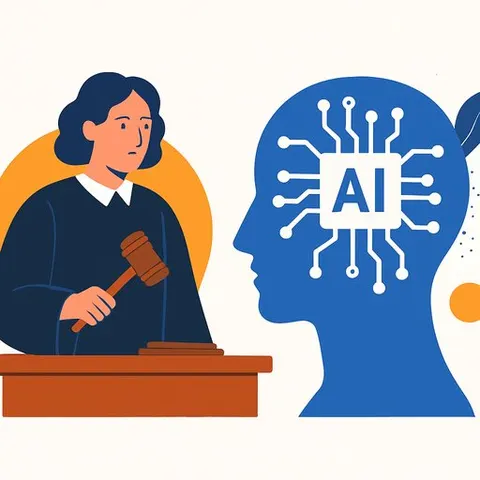
Human Judgment Still Wins in the AI Era, Marketing Leaders Say
Senior marketers judging campaigns at The Drum Awards for Marketing in New York reached a consensus this month: as AI accelerates production and optimization, the brands that break through will still be the ones that feel unmistakably human.
The judges-from Hershey, Novartis, Barclays, Quest Global, MoMA, and Athletic Brewing Company-acknowledged AI's speed in transforming workflows and analysis. But across conversations, one theme emerged repeatedly: the strongest work requires human oversight and emotional intelligence that technology alone cannot provide.
Oversight Matters More Than Automation
Chris Irwin, head of brand and creative at Barclays US Consumer Bank, said AI only becomes useful when marketers understand what's happening beneath the surface. "It's not a one-click-and-I-know situation," he said. "I kind of have to see underneath it."
In financial services especially, human oversight remains essential. Irwin needs to know where customer feedback is coming from, how campaigns are developing, and what audiences actually see. That transparency shapes whether the work is authentic.
Lali Lobzhanidze of Novartis described marketing as increasingly scientific, but warned that many organizations overestimate their readiness for AI-driven change. Technology may accelerate execution, but human understanding determines whether campaigns actually resonate with audiences.
Personality and Risk Get Flattened
During judging, many entries showed technical sophistication and optimization. Far fewer demonstrated genuine emotional insight.
Andrew Katz, CMO of Athletic Brewing Company, noted that what separates brands is not access to the same AI tools, but willingness to inject personality and conviction into work. "One of the things we talked about a lot today was risk," he said. "Why are so few brands pretty risky?"
Automation often flattens tone and originality rather than sharpening them. The campaigns that stood out most were rarely the ones advertising their AI use. Instead, they were ones where technology quietly supported a sharper human idea.
Consumer Understanding Comes First
Daniel Mohnshine of Hershey said the key is ensuring technology never overwhelms customer understanding. "Hershey has always put the consumer at the center of everything," he said. "Not just within marketing, but across all functions."
Cheryl Rodness, head of corporate brand at Quest Global, warned that marketers risk losing authenticity if performance metrics become the sole focus. "Brand and demand have to be one and the same thing," she said. "If you're not seeing it all the way through-creating brand purpose and demonstrating that through the demand you're creating and being truthful and authentic all the way through-then you've got a problem."
The words "truthful" and "authentic" came up repeatedly across judging rooms.
Emotional Connection Over Optimization
Gabriela Lancellotti, associate marketing director at the Museum of Modern Art, said audiences increasingly want brands and institutions to feel participatory and emotionally alive. "We want the museum to feel like a living space," she said. "Not a dead space."
Judges responded most positively to campaigns showing humanity, clarity, and emotional intelligence-not simply technical sophistication.
The irony was unavoidable. The easier AI makes production, the more valuable human instinct becomes. While AI can accelerate workflows, optimize targeting, and automate execution, it still struggles with understanding people well enough to genuinely move them.
For marketers navigating this shift, the message is clear: AI works best when it disappears into the background, supporting ideas rooted in real customer insight rather than replacing the thinking that generates those ideas in the first place.
Learn more about AI for Marketing or explore the AI Learning Path for CMOs.