
AI news ·
FDA deploys AI tool ELSA in inspections, prompting calls for companies to adopt matching capabilities
FDA now uses AI tools during drug and device facility inspections. Companies should run the same queries on their own data before inspectors arrive.
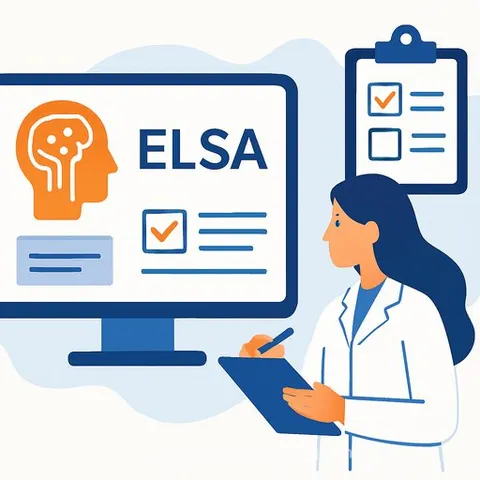
FDA Is Using AI to Inspect Drug and Device Companies. Here's How to Prepare.
The FDA has begun using artificial intelligence during facility inspections, clinical data reviews, and import evaluations. The agency built two systems for this work: HALO, a consolidated platform for data operations, and ELSA, an internal AI tool that works like a large language model but runs behind the FDA's firewall.
Companies should expect AI-supported inspections now. The question is no longer whether this will happen, but how to prepare for it.
What ELSA Does
ELSA analyzes information from multiple sources and identifies signals that warrant investigation. An FDA investigator feeds the tool data, asks targeted questions, reviews the outputs, and refines follow-up queries. This feedback loop helps inspectors spot connections faster than manual review or keyword searches alone.
The tool doesn't generate violations directly. Instead, it surfaces patterns that require human evaluation. An experienced investigator combined with AI creates a new standard of thoroughness.
The real power emerges when ELSA processes data across multiple sources. FDA investigators will request company data including complaint records, deviation investigations, change control logs, CAPA databases, and risk management files. They'll combine this with their own data from adverse event systems, field alerts, recalls, and previous inspections.
How FDA Will Query the Tool
Inspectors use two types of queries: standard ones that apply to any inspection, and situation-dependent ones tailored to specific concerns.
Standard queries might examine complaint trends over time, link complaints to specific batches or manufacturing runs, identify patterns in failed tests, or cross-reference deviations with product recalls. These aren't new interests for the FDA - they're existing inspection priorities executed faster and more thoroughly.
Situation-dependent queries depend on what triggered the inspection. If the concern is foreign material in sterile packaging, investigators might query for all complaints involving that issue, trace them to specific production lines, examine related deviation records, and identify any environmental monitoring data that correlates with the complaints.
What Operations Leaders Should Do Now
During preparation: Use a qualified AI tool internally to analyze your own quality data before an inspection. Run the same types of queries FDA might run. Surface signals through your Quality Management Review, Quality Council, Complaint Review Board, and CAPA Review Board. Document what you find and how you responded. This approach means inspectors won't discover something in your data that you didn't already know.
Upgrade internal audit programs to mandate AI-assisted analysis. This makes your audits more similar to FDA inspections and improves your ability to catch issues independently.
During an inspection: Learn the inspection reason within the first few hours. Once you know the focus area, query your AI tool with the same data sources the inspector requested. Identify the same signals they might identify. This gives you time to evaluate findings, gather relevant records, and prepare accurate answers before the inspector asks.
If observations arise: Use AI to quickly assess risk, impact, and scope. Develop an initial containment and corrective action strategy you can discuss during the inspection close-out meeting.
The Human Element Matters
AI outputs are only as reliable as the data feeding them and the people interpreting the results. An FDA investigator brings real-world intelligence, experience, and expertise to every query. The tool amplifies that judgment - it doesn't replace it.
The same principle applies to your internal use. Implement AI with adequate oversight and critical thinking. The greatest value comes not from finding violations faster, but from identifying quality and safety signals earlier so you can act on them.
Organizations that treat AI as a tool for strengthening product quality and patient safety - not just for surviving inspections - will continue to achieve successful outcomes.
Learn more about AI for Operations or explore the AI Learning Path for Operations Managers to build the skills your team needs to implement these strategies.