
AI news ·
Government AI vetting plan threatens to upend legal tech platform foundations
Government vetting requirements for AI models could delay legal tech launches and raise compliance costs. Law firms now relying on AI for document review and research may need to reassess their tools.
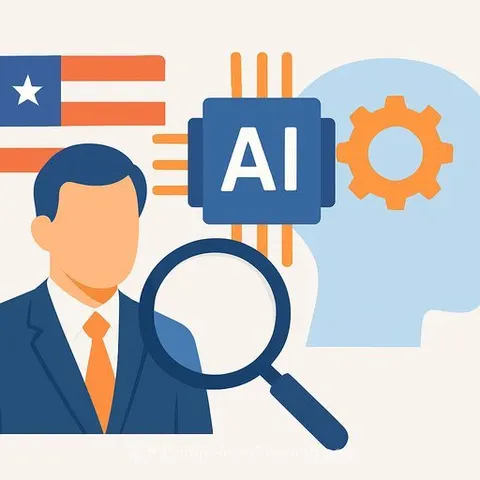
Government AI Vetting Plan Could Reshape Legal Tech Market
New government oversight of artificial intelligence models threatens to upend the technical foundation that many legal technology platforms rely on.
The proposed vetting requirements would establish standards for AI systems before they reach market. For legal tech vendors, this means existing deployment strategies may require overhaul.
Legal technology platforms have grown increasingly dependent on AI for document review, contract analysis, and case research. A regulatory framework that subjects these models to government review could delay product launches, increase compliance costs, and force vendors to redesign their systems.
The legal industry has moved quickly to integrate AI tools without waiting for formal oversight mechanisms. Law firms have adopted these platforms to reduce costs and accelerate work. Paralegals and junior attorneys now rely on AI-powered research and document analysis as core workflow components.
Regulatory scrutiny could create friction in that adoption curve. Vendors may face requirements to document how their models work, prove they produce reliable results, and demonstrate they don't introduce bias into legal analysis.
For in-house counsel and law firm leaders, the shift means reassessing which tools will remain available and under what conditions. It also creates an opportunity to understand how AI systems actually function before they become entrenched in practice.
The specifics of any vetting framework remain unclear. What's certain is that the current era of rapid, largely unregulated AI deployment in legal work is ending.
Learn more about AI for Legal professionals, or explore the AI Learning Path for Paralegals to understand how these tools work before regulatory changes take effect.