
AI news ·
Hachette cancels horror novel 'Shy Girl' after AI authorship allegations
Hachette dropped a 2026 horror novel after readers flagged signs of AI writing. The author later admitted hiring someone who used AI tools on the self-published version.
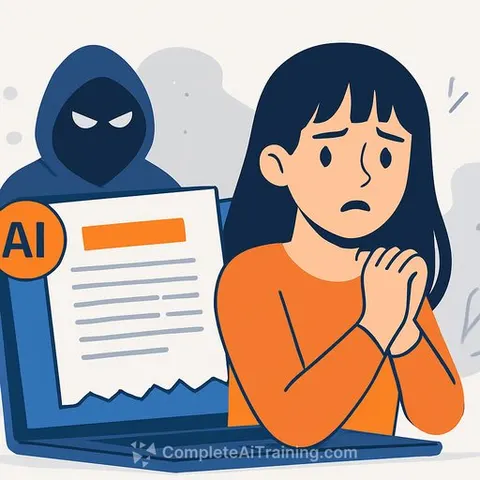
Publisher Cancels Horror Novel Over AI Authorship Concerns
Hachette Book Group pulled "Shy Girl," a horror novel scheduled for 2026 release, after readers and editors flagged signs of AI generation. The decision marks one of the first major publishing cancellations tied to suspected AI authorship and exposes the industry's growing friction with machine-written content.
Author Mia Ballard self-published "Shy Girl" in February 2025. The novel follows a woman with obsessive-compulsive disorder who agrees to live as a man's pet in exchange for debt forgiveness. After gaining traction online, Hachette acquired U.S. and UK publishing rights.
The trouble began when someone claiming to be a book editor posted on Reddit that the novel showed signs of AI generation. Readers pointed to specific patterns: adjectives preceding nearly every noun, actions described through similes, descriptions grouped in threes, and repeated word choices. The discussion spread across BookTok, Instagram, and YouTube.
Hachette canceled both the U.S. and UK releases. In an interview with the New York Times, Ballard denied writing with AI but admitted hiring an acquaintance who used AI tools for the self-published version.
The Copyright Problem
U.S. copyright law does not protect AI-generated artwork. This legal gap likely influenced Hachette's decision. The UK grants copyright protection to computer-generated works, but AI-assisted writing receives weaker protections than human-authored work. AI-generated content does not qualify for moral rights-the legal protections that shield human authors from emotional harm or allow them to claim authorship credit.
What This Means for Writers
The "Shy Girl" case reflects a broader tension. Authors increasingly use AI for Writers tools, yet readers and publishers express strong aversion to AI-written books. Romance author Coral Hart published 200 novels using AI in 2025 alone, suggesting widespread adoption behind the scenes.
In Japan, three of four winning entries in the Shinichi Hoshi Award-a major science fiction prize-used AI in their creation, sparking similar debate about authorship and disclosure.
The UK's Society of Authors has introduced a logo identifying human-written books. Transparency appears to be the industry's preferred path forward. Publishers face pressure to disclose AI involvement to readers, though no standard practice exists yet.
Writers considering Generative AI and LLM tools should understand the legal and commercial risks. Copyright protection varies by jurisdiction. Reader backlash can be swift and public. Most publishers now require disclosure of AI use in the manuscript submission process.
Ballard deleted her social media accounts following the scandal. Hachette released a brief statement about protecting "original expression and storytelling" but offered no detailed explanation of its decision.