
AI news ·
India expands artificial intelligence use to improve healthcare delivery and disease detection
India's AI integration drove a 27 percent decline in adverse tuberculosis outcomes. The government issued 799 million digital health IDs to support these screenings.
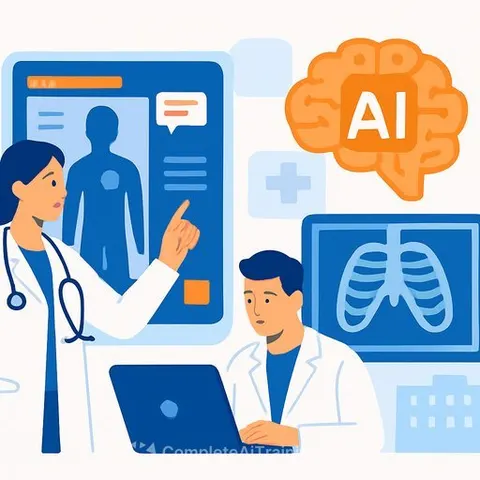
India is integrating artificial intelligence across its public and private healthcare systems to address specialist shortages and improve disease detection. Government data shows measurable gains, including a 27 percent decline in adverse tuberculosis outcomes and 282 million telemedicine consultations since April 2023.
Disease detection and surveillance
AI tools are now embedded in multiple national health programs. The Media Disease Surveillance system scans digital news sources for symptom clusters, generating over 4,500 outbreak alerts since April 2022. In eight states and union territories, DeepCXR systems automate chest X-ray readings to identify presumptive tuberculosis cases. For diabetic retinopathy, the MadhuNetrAI tool allows non-specialists to capture retinal images that the system grades to prioritize urgent referrals.
India identified the potential of AI, robotics, and connected medical devices early on. In 2018, NITI Aayog outlined their role as a "new nervous system for healthcare" in its National Strategy for Artificial Intelligence. Since then, frontline workers have used these tools to conduct advanced screenings and extend specialist expertise to underserved areas.
Digital infrastructure and data management
The scale of this effort relies on massive data integration. Under the Ayushman Bharat Digital Mission, the government has issued 799 million digital health IDs as of August 2025, linking over 671 million health records. This digitization supports clinical workflows and creates a foundation for AI for Healthcare applications to process patient histories at scale.
To ensure safety, the government designated centers of excellence for artificial intelligence at AIIMS Delhi, PGIMER Chandigarh, and AIIMS Rishikesh in March 2025. The National Health Authority also partnered with IIT Kanpur to build a federated learning platform for validating health models. Meanwhile, AI-based systems under the Ayushman Bharat PM-JAY scheme monitor transactions to deter health insurance fraud in real time.
Governance, ethics, and traditional medicine
In traditional medicine, the Ayurgenomics and Ayush Grid initiatives combine genomic analysis with Ayurveda, a model the World Health Organization recognized in July 2025. The government also noted that private sector innovation helped scale AI-assisted healthcare delivery, with solutions deployed across maternal care, neonatal monitoring, and radiology. Additionally, AI addressed malnutrition in Maharashtra's Etapalli district, where an image-recognition system audited school meals, revealing missing nutritional components and improving vendor accountability.
Why this matters for healthcare professionals
Healthcare workers in India will increasingly interact with AI-assisted diagnostic tools and digital health platforms. The shift toward automated screening means non-specialists will take on initial triage roles supported by algorithmic grading. Professionals must understand how these systems flag high-risk patients and prioritize referrals to maintain clinical oversight and ensure accurate patient care.