How to Protect Your Career from AI: Essential Strategies for Success
AI isn't just coming for your job; it's already changing how work gets done. The tools are getting smarter, cheaper, and more integrated into daily workflows. That means less time spent on routine tasks-and more pressure on you to prove the value only a human can bring.
Here's the honest playbook: learn the tools, automate the busywork, and double down on skills AI can't mimic. If your company is talking more about "efficiency" than expertise, take that as a signal to move.
Key Takeaways
- AI is automating roles in customer support, data entry, programming, content creation, and analysis-heavy work in finance, law, and medicine.
- Jobs with repetitive, rules-based, or entry-level tasks are most exposed.
- Human-centric skills-judgment, empathy, and creativity-remain in demand.
Which Jobs Are Most at Risk?
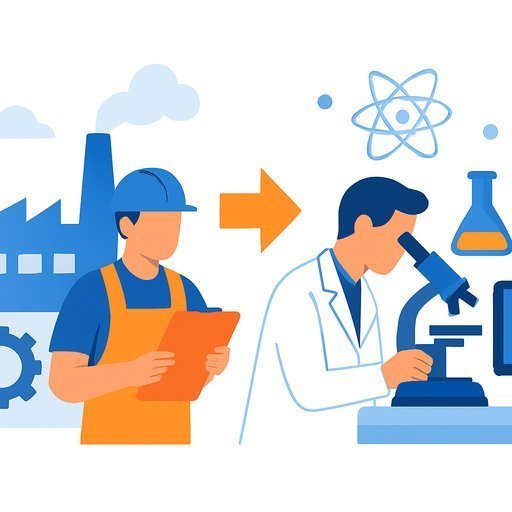
The first wave hit customer service, data entry, and admin tasks. Now, software development, content, finance, legal research, and parts of medicine are being reworked by code assistants, AI copy tools, and data-driven models. Entry-level roles are particularly exposed because the "learning-by-doing" tasks are exactly what AI eats for breakfast.
Signals your role could be next:
- Your tools suddenly have "AI-powered" features.
- Leadership talks about "co-pilots," "automated insights," or "efficiency gains."
- Your day shifts from doing the work to overseeing software that does it.
Some estimates suggest up to 30% of U.S. jobs could be automated by 2030, with hundreds of millions affected worldwide. The debate is ongoing, but the direction is clear: the task-level mix in most jobs is changing fast.
Five Moves That Keep You Valuable
1) Demonstrate Your Humanity
AI can process information. It struggles with judgment, empathy, nuance, and ethics. Your edge is interpreting data, telling the story, and driving decisions. Build relationships. Ask better questions. Make calls under uncertainty-and own them.
- Turn numbers into narratives stakeholders can act on.
- Practice active listening and conflict resolution.
- Document decisions and the thinking behind them.
2) Become an AI Power User
Don't avoid the tools-get fluent with them. Learn prompts, critiques, and workflows. Treat AI like a junior analyst or assistant: useful, fast, occasionally wrong. Your goal isn't perfection. It's speed, quality, and control.
- Audit your weekly tasks and test AI on each one.
- Create prompt libraries and SOPs for repeatable work.
- Compare outputs across tools; keep what works.
3) Automate the Repetitive, Focus on the Unique
Strip away the mechanical parts of your job. Free up time for relationship-building, negotiation, storytelling, and strategic thinking. The more of your day sits where AI is weak, the safer you are.
- Template everything: emails, briefs, reports, code snippets.
- Batch routine tasks with automation and AI assistants.
- Spend the saved time on clients, strategy, or experimentation.
4) Upskill Continuously
Pair AI literacy with human strengths. You don't need to be a data scientist. You do need to speak data, ask sharp questions, and convert insights into action. The people who bridge algorithmic speed with human nuance will win.
- Combine analytics with storytelling and influence.
- Learn prompt engineering basics and tool orchestration.
- Practice leadership: clear thinking, accountability, calm under pressure.
5) Watch Trends and Pivot Early
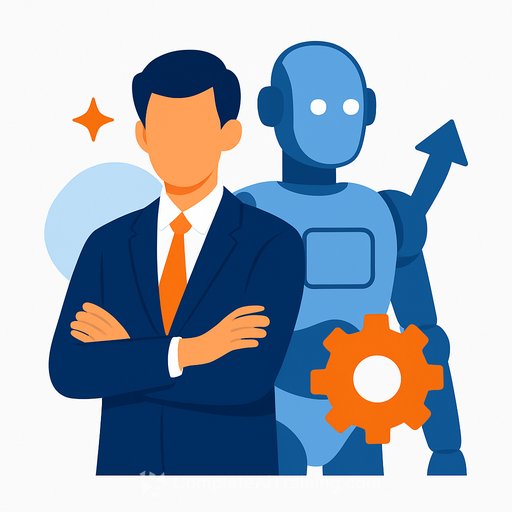
Track which roles are being automated and which are gaining leverage from AI. Move toward functions where human judgment is still central. Teams that pair people and AI well create more value than either alone.
- Follow product updates from major AI platforms.
- Study job postings to see skill shifts before they hit your team.
- Choose companies that use AI to amplify people, not replace them.
Role-Specific Playbooks
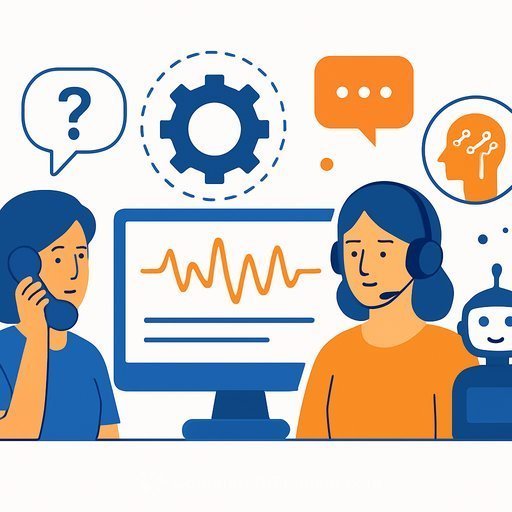
Customer Support
- Let AI handle Tier 0/1. Specialize in escalations, retention, and account health.
- Build playbooks for empathy, de-escalation, and complex edge cases.
- Use AI to summarize tickets and surface patterns; you own the fixes.
Executives and Strategy
- Adopt AI for planning, forecasting, and scenario testing-but make the call.
- Set policies on data quality, governance, and responsible use.
- Fund internal upskilling and measure time-to-decision, not just cost cuts.
Finance
- Automate reconciliations, variance checks, and first-pass analyses.
- Focus on insight generation, risk framing, and strategic allocation.
- Build simple models that explain reality, not just describe it.
Management
- Use AI for meeting notes, action tracking, and project summaries.
- Coach for judgment, context, and ownership-what tools can't teach.
- Reward outcomes, learning velocity, and smart automation.
Writers
- Let AI help with research, outlines, and first drafts; you bring taste and truth.
- Create unique angles, interviews, and data-backed storytelling.
- Build a voice guide and prompt stack that keeps you consistent.
Practical Workflow You Can Steal
- Morning: AI drafts your agenda and summarizes overnight updates.
- Midday: Batch routine tasks with prompts, templates, and checklists.
- Afternoon: Deep work on relationships, strategy, and decisions.
- End of day: AI compiles a recap; you capture lessons and next steps.
Where to Skill Up (Fast)
If you're building AI fluency for your role or team, these curated resources can help:
- AI courses by job function to learn tools that map to your role.
- Prompt engineering guides to get better outputs, faster.
- AI tools for finance for analysts and finance leaders.
The Bottom Line
AI is here, and it's changing how work gets done. The people who thrive will adopt the tools, automate the repetitive, and invest in judgment, empathy, and creativity. Start now. Make your job harder to copy and easier to trust.
Sources
- World Economic Forum: The Future of Jobs Report 2025
- Federal Reserve Bank of Dallas: Will AI Replace Your Job?
Your membership also unlocks: