
AI news ·
Nearly all executives expect AI to cause layoffs as worker wellbeing hits record low
99% of U.S. executives expect AI-driven layoffs within two years, per a Mercer survey of nearly 1,000 leaders. Worker "thriving" rates have already dropped from 66% to 44%.
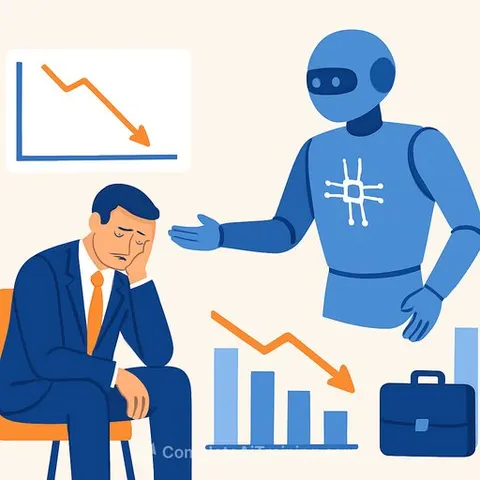
Executives Plan Massive Layoffs as Worker Morale Collapses
Nearly all U.S. executives surveyed expect AI to trigger layoffs within two years, and worker confidence is already crumbling in response. A Mercer survey of almost 1,000 executives found 99 percent anticipate AI-driven workforce reductions, while 98 percent are planning major organizational restructures around the technology.
The human cost is measurable and immediate. The share of employees who said they are "thriving" at work dropped from 66 percent in 2024 to 44 percent in 2026, according to Mercer's worker sentiment data. More than 20 percent of workers now report being "unsatisfied but staying put for the next 12 months" - a sign of resignation rather than engagement.
HR's Response: More Surveillance
How are HR departments addressing this anxiety? By tightening control. Forty-nine percent of HR professionals say they will make behavioral data collection "critical" to workforce management over the next two years. Another 44 percent plan to deploy always-on surveillance platforms, and 43 percent will rely on AI chatbots to manage employee concerns.
These tools exist to monitor and shape worker behavior, not to improve conditions. Some managers are already using AI to automate firing decisions.
AI as a Tool for Weakening Worker Power
The pattern is familiar to labor economists. Employers use various mechanisms - debt, gig work arrangements, unemployment, deskilling - to reduce workers' bargaining power and strip away hard-won benefits like healthcare and pensions. AI accelerates this process.
The technology doesn't need to work exceptionally well to achieve this effect. Shopify CEO Tobi Lutke has publicly discussed using AI to extract more output from existing staff. Venture capitalists use similar systems to reclaim equity from workers. The mechanism is straightforward: reduce worker leverage, increase corporate control.
What's Next
Business leaders have been explicit about why they want AI. They're deploying it without waiting for the technology to deliver on its most ambitious promises. The question now rests with workers: how they respond before these trends become entrenched.
For HR professionals managing these transitions, understanding the broader economic forces at play is essential. AI for Human Resources resources can help you navigate the technical side, while AI Learning Path for CHROs offers strategic frameworks for workforce planning and talent management during organizational change.