
AI news ·
Religious objections to AI in the workplace create legal headaches for employers
Religious objection complaints against AI use at work are rising fast, with legal experts warning unprepared HR teams face costly disputes. Employers must document requests carefully and consult lawyers before denying any claim.
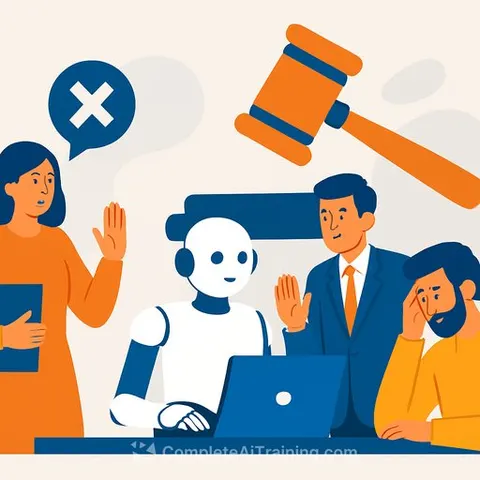
Religious Objections to AI Are Rising in Workplaces. HR Leaders Need a Strategy.
Employees are increasingly filing religious objection complaints against AI use at work, and legal experts warn that HR departments unprepared for these claims could face costly disputes. The trend is forcing companies to decide how to balance operational needs with accommodation requests that may cite sincere religious beliefs.
James Paul, a shareholder at labor law firm Ogletree Deakins, said inquiries about religious objections to workplace technology have exploded in recent months. "Not a day goes by" without multiple client questions on the topic, he told HR Dive.
The complaints center on several grounds. Some employees cite AI's environmental footprint-data centers consume massive amounts of electricity and water. Others object on moral grounds, arguing AI threatens human autonomy or enables job displacement. A growing number frame objections as religious convictions, whether rooted in established doctrine or personal belief.
The legal landscape has shifted in employers' favor regarding religious accommodation. The Equal Employment Opportunity Commission now appears reluctant to challenge workers' sincere religious beliefs, according to HR Dive. A 2010s case illustrates the precedent: a Virginia coal miner successfully sued his employer over a mandate to use hand-scanning technology, claiming it violated his Christian beliefs.
Employers cannot easily dismiss these claims. The law requires equal treatment of all religious accommodation requests, regardless of how obscure the belief may seem. A company cannot argue that accommodating one employee's anti-AI stance is unreasonable while enforcing AI use on others.
What This Means for HR Leadership
The Trump administration's support for broader religious expression in workplaces has intensified the pressure. HR teams must now navigate requests that directly conflict with business strategy without appearing to discriminate.
Confronting an employee's religious beliefs head-on carries legal risk. Even if an accommodation request seems impractical or contradicts company mandates, HR leaders should consult legal counsel before denial.
Some employers may push back by arguing their own religious or ethical position requires AI use. Courts have shown little patience for this argument, treating all sincere religious objections as equally valid under employment law.
HR professionals should document all accommodation requests carefully, consult employment lawyers before responding, and develop clear policies on how religious objections will be evaluated. The alternative-reactive legal battles-will prove far more expensive.
For HR leaders managing AI implementation, understanding these obligations is essential. AI for CHROs (Chief Human Resources Officers) covers strategies for managing AI adoption while addressing workforce concerns, including legal and ethical dimensions of workplace technology decisions.