
AI news ·
Senate Democrats move to repeal Medicare AI prior authorization pilot using Congressional Review Act
Senate Democrats introduced a resolution Wednesday to kill Medicare's AI prior authorization pilot, active in six states. The move follows a GAO ruling that the WISeR program is subject to Congressional Review Act repeal.
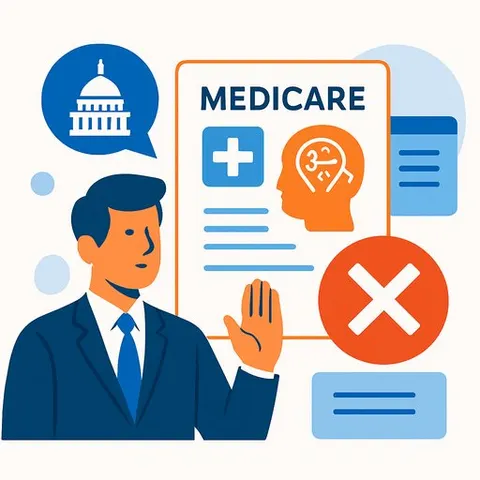
Senate Democrats Move to End Medicare AI Prior Authorization Pilot
Senate Democrats introduced a resolution Wednesday to terminate the WISeR model, an artificial intelligence-backed prior authorization program that went into effect across six states this year. The move invokes the Congressional Review Act, a legislative tool that allows lawmakers to overturn agency actions with approval from both chambers and the president's signature.
Sens. Ron Wyden of Oregon, Maria Cantwell of Washington, Richard Blumenthal of Connecticut, and Kirsten Gillibrand of New York sponsored the resolution. Twenty senators have signed on, including Ruben Gallego of Arizona, Ed Markey of Massachusetts, Cory Booker of New Jersey, and Dick Durbin of Illinois.
The Centers for Medicare and Medicaid Services launched the Wasteful and Inappropriate Service Reduction model last summer to reduce fraud and unnecessary spending. The program contracts with private companies to implement AI-driven prior authorization for specific services deemed vulnerable to fraud, including skin and tissue substitutes and epidural steroid injections.
Democrats Argue the Program Delays Care
Prior authorization is uncommon in traditional Medicare, and providers have long contended the practice creates administrative burden and postpones patient care. Democrats have opposed the model since its announcement, arguing it denies or delays necessary treatment for seniors.
"Americans are sick and tired of abusive prior authorization tactics putting needed health care out of reach," Wyden said. "The last thing seniors need is even more AI denying the care they need."
In April, Cantwell released a report finding that procedures subject to prior authorization in Washington took weeks longer to approve, adding red tape for both providers and patients. The House introduced legislation to repeal the model last year, though it failed to advance.
GAO Determines Program Subject to Review
The Government Accountability Office determined last week that WISeR qualifies as agency rulemaking subject to the Congressional Review Act. The HHS had argued the model was a guidance document exempt from the law.
The GAO's decision triggered a 60-day window during which lawmakers can force a vote to repeal the program. The resolution's introduction starts this clock.
CMS regulators say the policy targets a narrow set of services to prevent inappropriate care and reduce unnecessary spending. The agency maintains the prior authorization requirements protect patients from harm.
Learn more about AI for Healthcare and how the technology is being deployed across medical settings.