
AI news ·
Singapore pushes skills-based approach to keep workers relevant as AI reshapes jobs
Singapore's Budget 2026 pushes firms toward AI adoption, forcing HR teams to replace job-title thinking with skills-based talent strategies. That means mapping what employees can do-not just what role they hold.
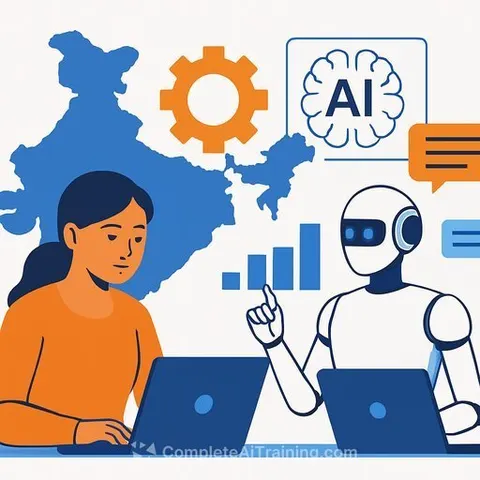
Singapore Shifts to Skills-Based Economy as AI Reshapes Work
Singapore's Budget 2026 signals that AI adoption in enterprises is essential for global competitiveness. The shift requires a fundamental change: organisations must move away from protecting job titles and toward building what experts call skills intelligence.
Skills intelligence means understanding, mapping, and mobilising human and AI capabilities together. It's the ability to see what skills exist in an organisation and how those competencies change as technology evolves.
For HR leaders, this has immediate practical implications. The traditional approach - defining roles, hiring for those roles, and protecting those positions - no longer works in a rapidly shifting economy. Employees need agility. Employers need flexibility.
What This Means for HR Strategy
A skills-based economy requires HR teams to think differently about talent. Instead of job descriptions, organisations need skill inventories. Instead of career ladders, they need skill pathways.
This approach gives both employees and employers room to adapt. When a role changes because of AI, workers with the underlying skills can move into new positions. Employers can redeploy talent faster than hiring new staff.
Building skills intelligence also means understanding which human capabilities remain irreplaceable and which are better handled by AI. That distinction changes how you recruit, train, and develop people.
Getting Started
HR managers implementing this shift should start by mapping existing skills across the organisation. What can people do? What do they want to do? Where are the gaps?
Then identify how AI will change those skills. Some roles will disappear. Others will transform. New ones will emerge. Skills intelligence helps you see these shifts before they happen.
For deeper guidance on building AI-aware talent strategies, HR leaders can explore resources like AI for CHROs (Chief Human Resources Officers) and AI for HR Managers, which address the specific challenges of leading workforce transformation.
The organisations that succeed will be those that treat AI adoption not as a threat to jobs but as an opportunity to build a more flexible, responsive workforce.