
AI news ·
Using AI to fake car insurance claims is fraud punishable by up to 10 years in prison
Drivers using AI to fake vehicle damage for insurance claims face up to 10 years in prison. Insurers are increasing scrutiny of photographic evidence to catch this fraud.
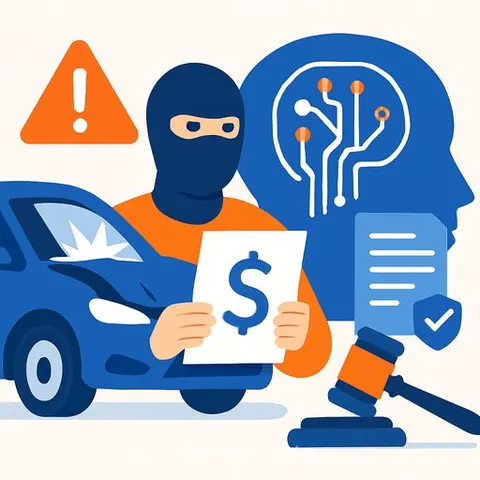
Motorists using AI-generated images to fabricate or exaggerate vehicle damage for insurance claims face up to 10 years in prison under the Fraud Act 2006, according to a new warning from MoneySuperMarket. As text-to-image tools produce increasingly realistic digital alterations, insurers must scrutinize photographic evidence to prevent sophisticated fraud.
Criminal penalties for fabricated evidence
MoneySuperMarket states that submitting altered or AI-generated images as evidence constitutes insurance fraud. Alicia Hempsted, a car insurance expert at the company, said: "Making fraudulent claims using AI tools is insurance fraud and is a criminal offence under the Fraud Act 2006. Offenders who are caught using artificially generated images to make claims could face imprisonment of up to 10 years and a criminal record."
She added that advances in technology do not change the legal obligations placed on motorists. Fraudsters should not assume new technology shields them from justice years down the line.
Strict guidelines for damage documentation
Accurate documentation remains critical for drivers, fleet operators, and instructors reporting vehicle damage. MoneySuperMarket recommends taking photographs immediately after an incident when it is safe to do so. Claimants should use a clean camera lens, ensure adequate lighting, and capture both wide-angle and close-up images of the damage.
Photographs must include vehicle registration plates where appropriate and show interior damage from multiple angles. Hempsted said: "If you do need to make an insurance claim, it's important that you accurately document the damage - and do not apply any filters or edit images, even if it's just to sharpen them."
Increased scrutiny for claims adjusters
As image-generation tools become more accessible, insurers will naturally increase their scrutiny of photographic evidence submitted during the claims process. Professionals evaluating claims must remain vigilant as digital manipulation techniques continue to advance. Understanding AI for Insurance helps adjusters and claims teams recognize synthetic media and assess risk accurately.
Why this matters for insurance professionals
Claims teams and underwriters must update their fraud detection protocols to account for synthetic imagery. Verifying the authenticity of photographic evidence now requires identifying AI-generated artifacts, not just checking for basic photo editing software. Implementing stricter validation steps will prevent financial losses and ensure compliance with the Fraud Act 2006.