
AI news ·
Wealthier, more educated Americans more likely to recognize AI in everyday tools, study finds
Higher-educated, higher-income Americans are far more likely to recognize AI in daily life, a Hong Kong Baptist University study of 10,000+ people found. Education outweighed income as a predictor.
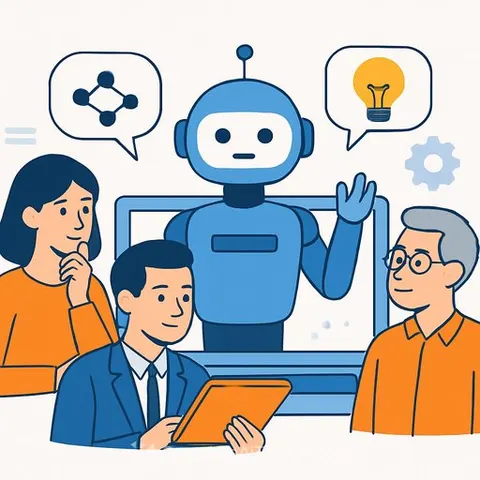
AI Literacy Creates New Divide Between Educated and Less-Educated Americans
Americans with higher incomes and more education are significantly more likely to recognize artificial intelligence in their daily lives than those with fewer economic advantages, according to research from Hong Kong Baptist University. The finding suggests that AI awareness itself-not just access to technology-is becoming a marker of inequality.
Researchers analyzed 10,087 responses from the Pew Research Center's American Trends Panel and measured AI recognition across six everyday examples: chatbots, shopping recommendations, spam filters, and others. Participants scored zero to six based on correct answers.
Education proved a stronger predictor of AI awareness than income. Formal schooling builds the reading, search, and problem-solving habits that help people spot automated systems. Money still mattered, but the pattern warned that access alone won't close a divide rooted in confidence and technical understanding.
Hidden systems shape choices before users notice
Most AI operates invisibly. Recommendation algorithms appear as helpful suggestions for songs, films, or products. Job-screening software silently filters resumes. Spam filters remove unwanted messages without explanation.
Because these systems feel ordinary or neutral, many users never recognize a machine made a choice. Someone aware that resume-screening software scans keywords can format applications strategically. Another applicant with identical experience sends the same file in a format that never reaches human review. That difference becomes practical power.
People cannot challenge sorting systems they don't notice. Awareness doesn't guarantee safety-particularly against deepfakes and manipulated media-but it gives people a better chance to ask harder questions about the data being collected and how it's used.
Schools need to make AI visible
Strong AI literacy should start with recognition, not coding lessons. Community workshops can use familiar examples: playlists, shopping suggestions, spam folders, customer service chats. Schools should teach basic concepts earlier-that AI makes predictions from data, not magic.
Check out resources on AI for Education and the AI Learning Path for Teachers to explore how educators can build these skills in classrooms.
The research used data from December 2022, before many people had sustained experience with new chatbots. The findings show a clear starting point for educators and policymakers to test practical responses.
A fairer AI future begins when people can name the systems shaping their choices, risks, and opportunities. Better tools still matter, but public teaching must make hidden AI visible before advantages settle into another layer of inequality.