AI tool
Chirpz
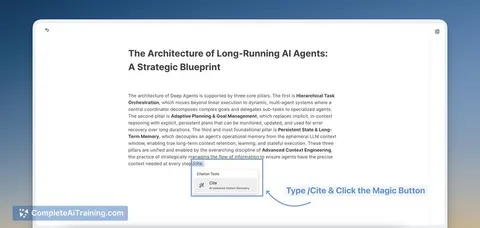
Chirpz is an AI research assistant that reads your text in a focused notebook, finds and ranks the most relevant academic papers, and inserts citations with a single /Cite command-streamlining literature discovery without leaving your editor.
About Chirpz
Chirpz is an AI-assisted research assistant that finds, reads, and ranks academic papers directly where you write. It returns relevant matches with citations and metadata, aiming to speed up literature discovery and citation insertion.
Review
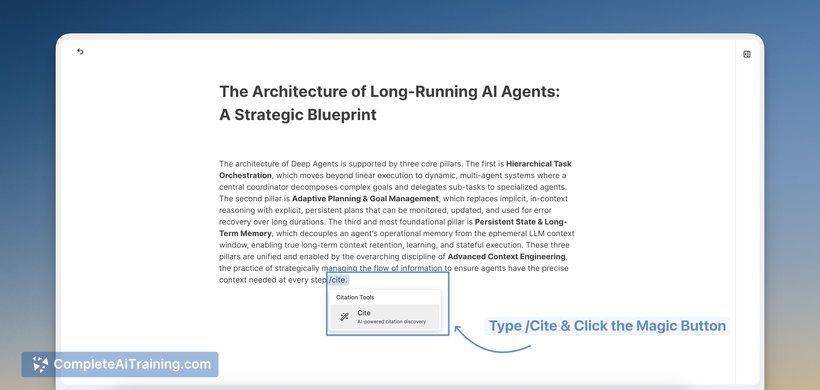
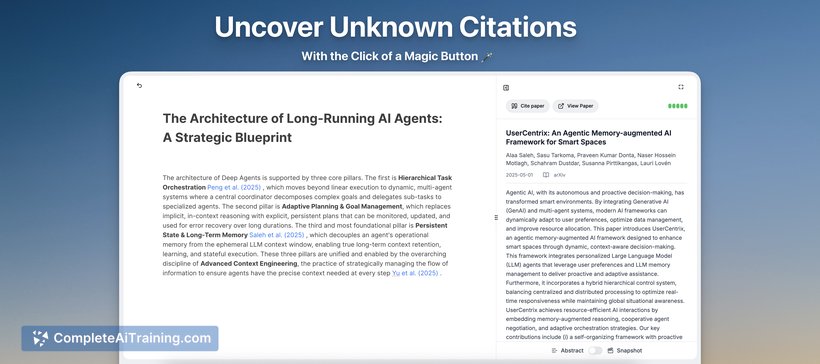

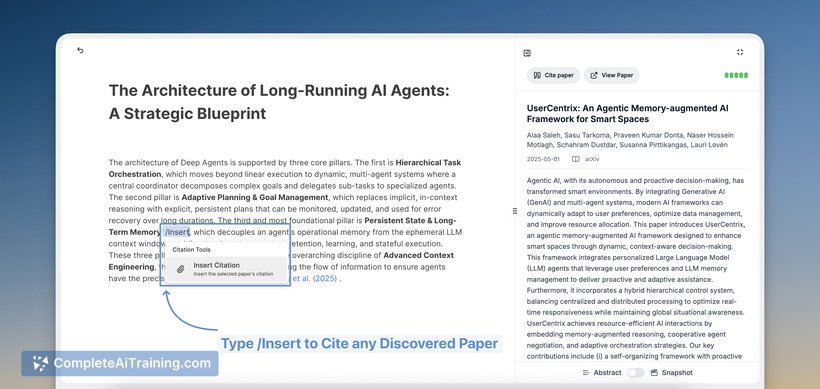
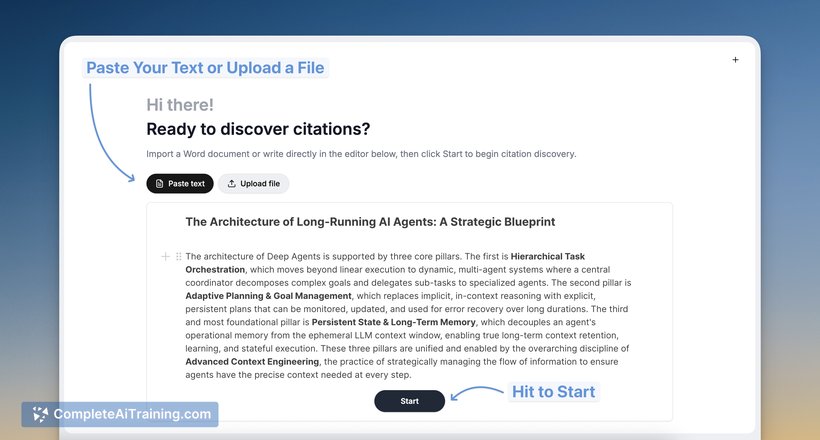
Chirpz focuses on smoothing the citation workflow by combining a minimal notebook editor with a context-aware search trigger (the /Cite command). Results are presented as ranked papers with relevance scores and metadata, and you can insert citations without switching tabs.
Key Features
- Context-aware /Cite command that reads your text and searches for matching papers.
- Built-in notebook editor for writing and importing notes while searching in the same interface.
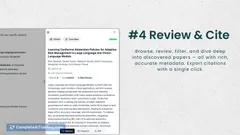
- Ranked results with relevance scores, citations, and metadata for quick assessment.
- One-click citation insertion or manual selection, keeping you inside the editor.
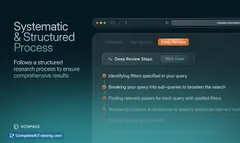
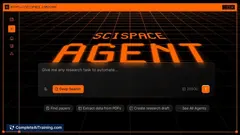
- Search sources at launch include ArXiv, Semantic Scholar, and OpenAlex, with plans for more integrations and a complementary Deep Research Agent for deep searches.
Pricing and Value
Chirpz is free at launch, which makes it accessible for students and researchers testing the workflow. For users who need to reduce time spent hunting citations, the tool offers clear value by centralizing discovery and citation insertion. Some advanced integrations (e.g., paid journal authentication or institutional libraries) are not supported yet, which may limit value for users who rely on paywalled sources.
Pros
- Saves time by surfacing relevant papers directly in the writing interface.
- Context-aware results improve the relevance of suggested citations compared with manual search queries.
- Clean editor plus one-click citation insertion keeps the writing flow intact.
- Relevance scores and metadata help prioritize which papers to review first.
- Good initial coverage for AI and computer science topics via ArXiv and broader domains via Semantic Scholar and OpenAlex.
Cons
- Source coverage at launch is limited to mainly open databases; paywalled journals and some specialized databases are not yet supported.
- No current option to authenticate with university credentials for accessing subscription content.
- Niche industry publications and older, poorly indexed works may be harder to uncover without the complementary deep-search features.
Chirpz is best suited for PhD students, graduate researchers, R&D teams, and engineers who need to assemble related work or quickly find citations while writing. It works particularly well for topics covered in ArXiv and the broader indices it uses, and it will become more useful as additional database integrations and library import features are added.
Jobs Chirpz suits
We checked Chirpz against 500+ jobs; these get the most out of it.
Alternatives to Chirpz
Other tools that do the same main job. Our AI compared Chirpz with similar tools and kept the ones you could use instead.