
Learning path
Learning AI as a Social Scientist
This path helps social scientists use AI for research design, literature reviews, surveys, interviews, analysis, writing, and presentations. It starts with setup and job-specific skills, then moves through prompts and short video courses.

Your path
Everything in the Social Scientist AI kit, in the order that makes sense. Members tick off each step and see their progress.
Set up your AI
We guide you through each click.
Let skills do your everyday tasks
Connect your apps and pick your AI apps
Hand whole tasks to AI agents
Build your own tools
Keep growing
Everything for social scientists
All the courses, certifications, AI tools, MCP servers and apps for social scientists, most relevant first. Open any list to see more.
Take the prompt courses
A short framework course to learn how to ask, then 9 lessons with ready-to-use prompts for social scientists.
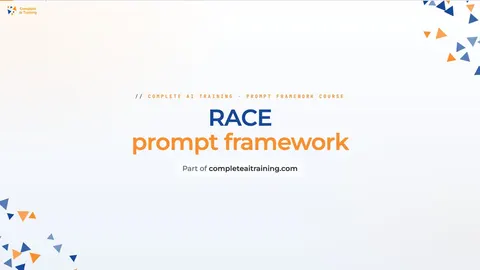
Start with this framework: how to talk to AI
As a social scientist, RACE fits your interview analysis for a policy brief because it defines role, action, context, and expected quality.
Then your prompt course for social scientistsWatch the video courses or add them to your Favorites for later
95 video courses our AI picked for social scientists, most useful first. Save the ones you want to watch later with the heart.
Favorites are saved to your account: sign in or get your AI kit first.
Show all 95 video courses
Get certified, or add certifications to your Favorites
Every course ends in an exam and a certificate you can add to LinkedIn. Save the certifications you are aiming for with the heart.
Favorites are saved to your account: sign in or get your AI kit first.
More certifications for social scientistsShow all 24 certifications
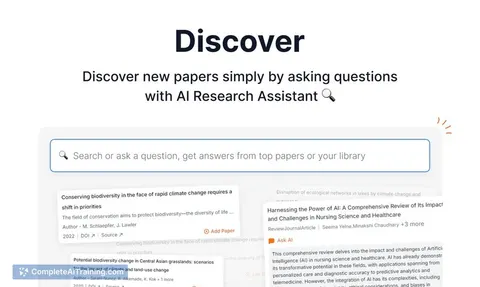
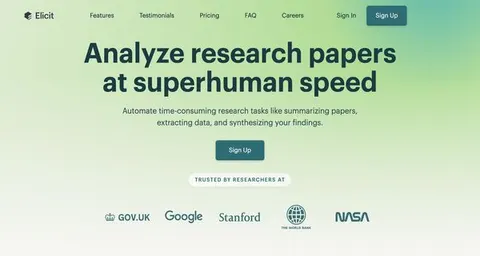
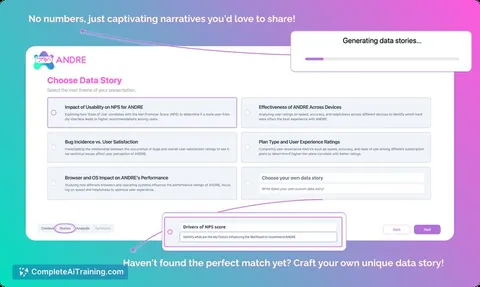
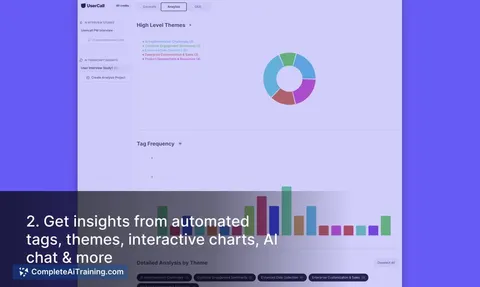
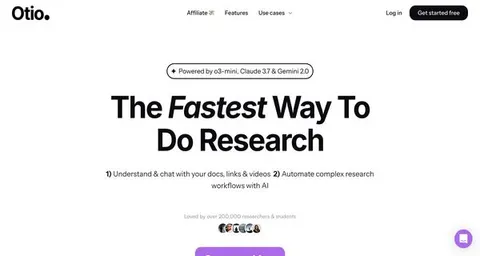
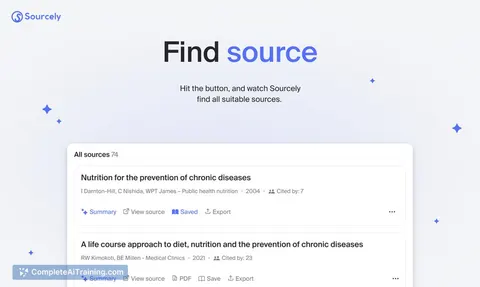
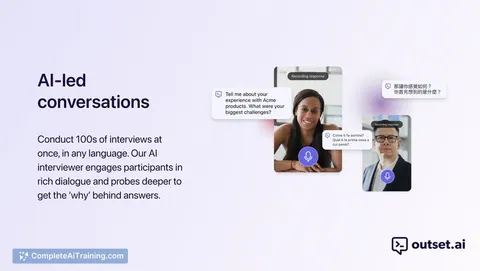
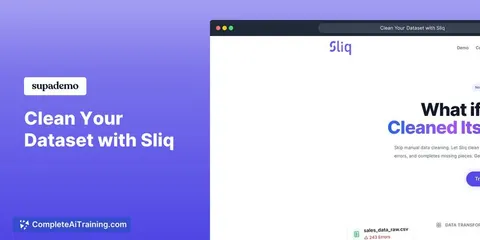
Try the AI tools for social scientists
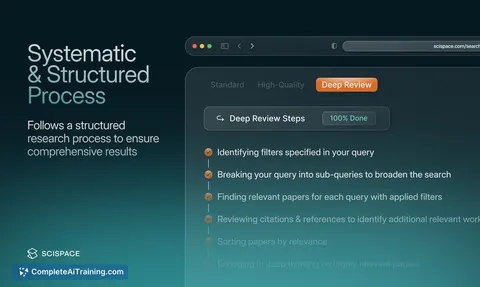
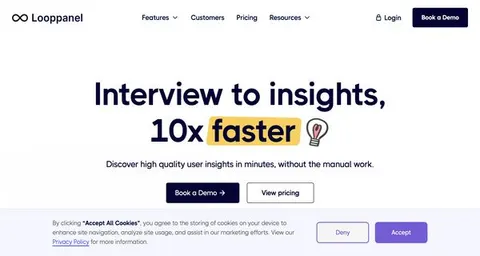
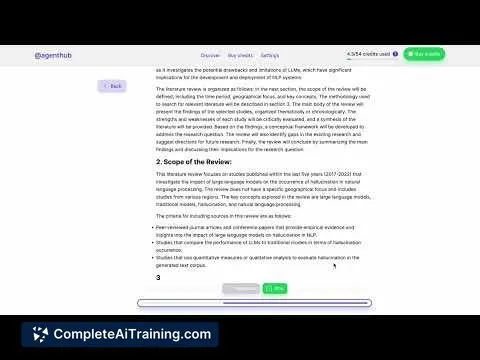
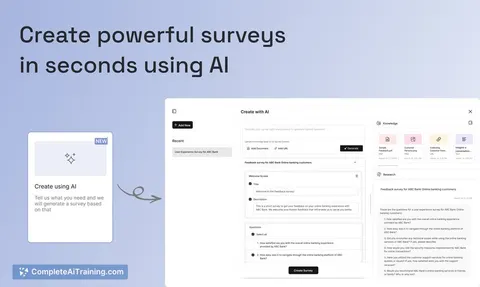
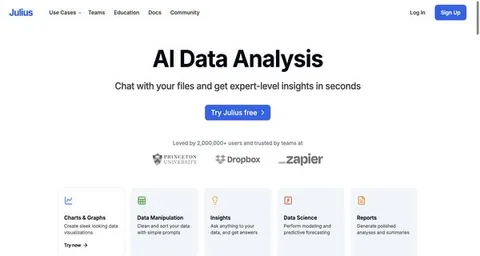
24 AI tools our AI matched to the work of social scientists, best fit first. Each review shows what it does, its alternatives and the jobs it suits.
Favorites are saved to your account: sign in or get your AI kit first.
Show all 24 AI tools
Connect your AI to the apps social scientists use
MCP servers let ChatGPT, Claude or Copilot look things up and get work done in other apps, like your email, calendar or bookkeeping software. These 12 fit the work of social scientists best, well-known apps first.

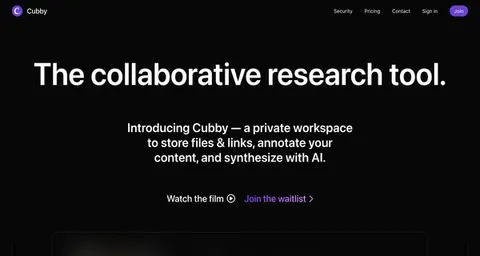
Google Scholar MCP server
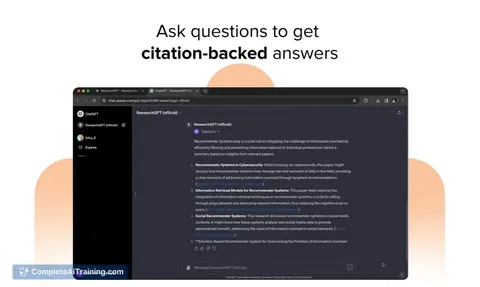
by HasDataLets your AI search Google Scholar and pull ready-made citations for papers you find.
ResearchNo install
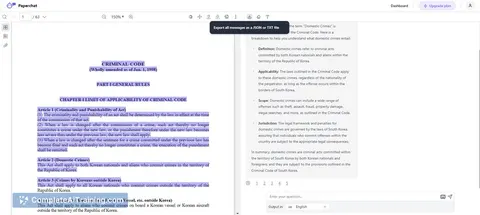
Scholar MCP server
by Liyux3Your AI can search academic papers, read them, map citations, and save them into a personal library.

Zotero MCP server (Zoteus)
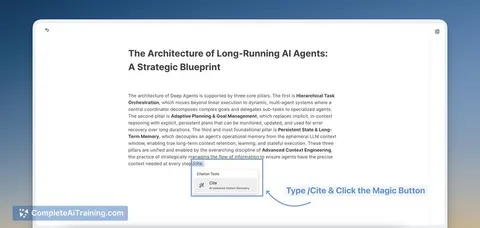
by oscardvsLets your AI search your Zotero library, pull PDF passages with page numbers, and format citations.
ResearchNo install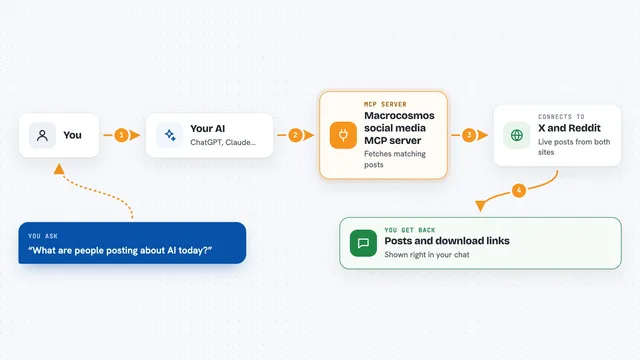
Macrocosmos social media MCP server
by macrocosm-osLets your AI pull live X and Reddit posts by keyword, user, or date, and collect bigger datasets over time.
Social mediaResearch Official
Research Hub MCP server
by WenyuChiouLets your AI search for papers, save them to Zotero, and write notes into your Obsidian vault for you.

Zotero MCP server (zotio)
by OrgMentemLets your AI read and safely update your Zotero library, check for retracted papers, and keep notes in sync.
Show all 12 MCP servers

Annota MCP server
by dengls24Let your AI read your Zotero papers, highlight key findings, explain formulas, and save reading notes back to your library.

Zotero MCP server
by dvdsosaLet your AI search, read, and update your own Zotero library on your computer, even offline.
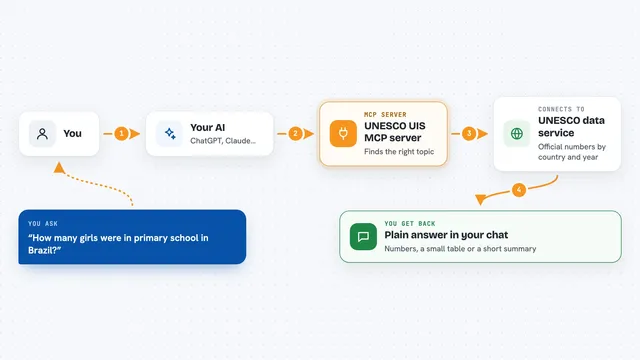
UNESCO UIS MCP server
by SidneyBissoliAsk your AI for UNESCO numbers on education, science, culture and communication by country and year.

Google Forms MCP server
by A1-x-TechLet your AI build Google Forms, add questions, publish them, and read the answers for you.

Cite Caddy MCP server
by herbertkokholmLet your AI read and update your Zotero library: find items, add tags, write notes, and export citations.

IBGE Brazil Data MCP server
by SidneyBissoliLets your AI look up official Brazilian population, geography and economy data from IBGE in real time.
Build your own AI apps for social scientists
Apps you build yourself with your own AI, no coding needed and no monthly fee. Our AI picked the 12 that fit the work of social scientists.
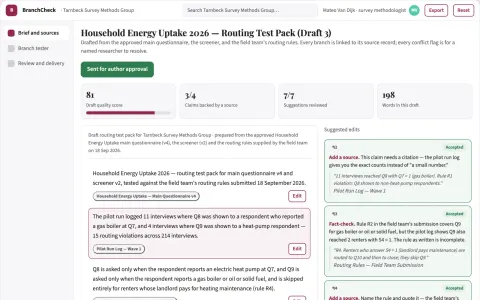
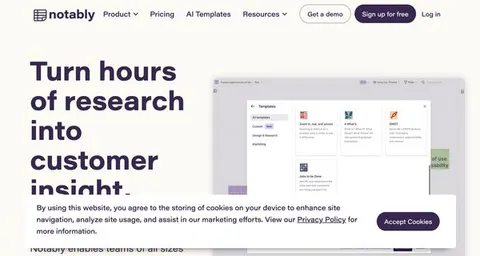
Research survey branch tester
Deterministic survey flow checks before recruitment.
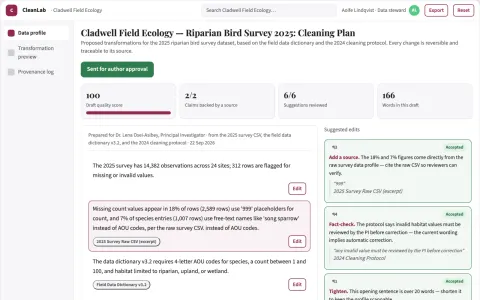
Research data cleaning
Reversible, documented transformations with researcher-approved rules.
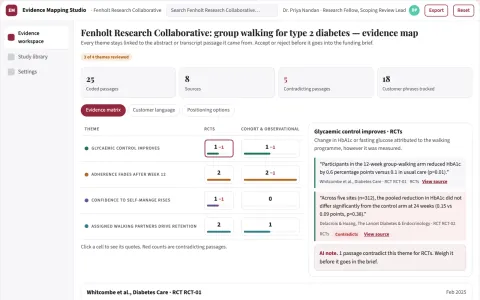
Evidence mapping service
A documented coding protocol and source passages behind each extracted field.
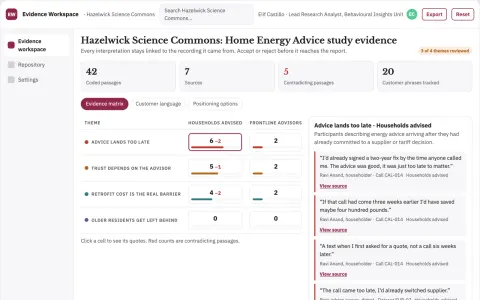
Research evidence analysis and reporting workspace
Reduce analysis and reporting effort while keeping findings traceable to source.
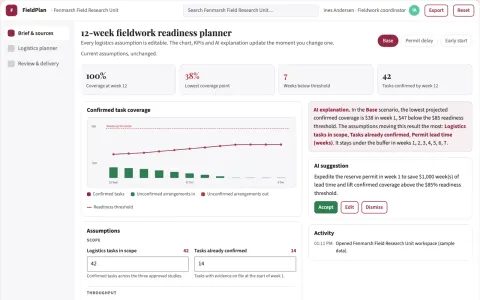
Research fieldwork logistics planner
Administrative readiness under approved study scope.
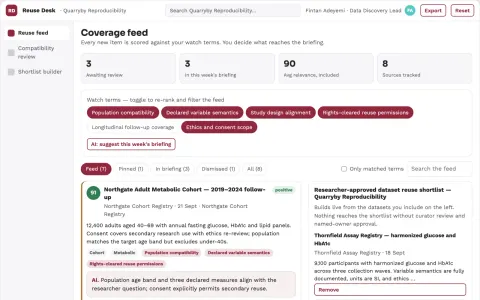
Scientific dataset reuse compatibility engine
Find usable existing data before costly new collection.
Show all 12 apps
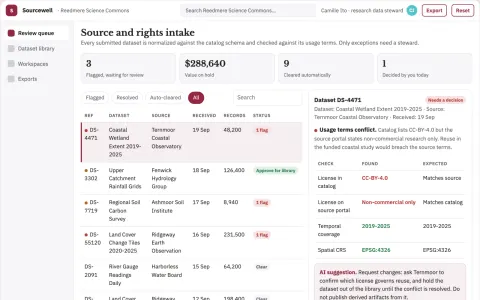
Multi-source research dataset discovery and stewardship console
Reduce dataset search and preparation time while keeping provenance and review visible.
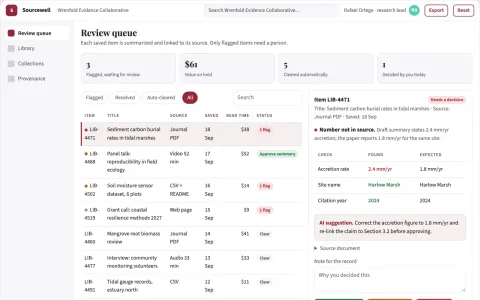
Searchable research library and data stewardship console
Reduce time spent re-finding and re-reading saved material while keeping source provenance and review state attached.
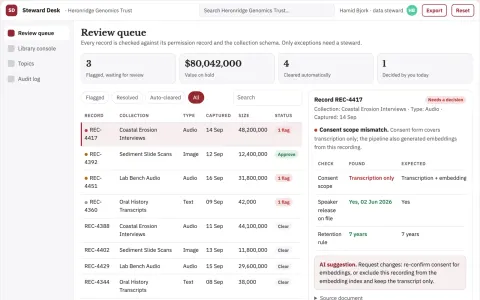
Unstructured research data stewardship console
Reduce time spent locating, labelling and reconciling unstructured research material while keeping provenance and review intact.
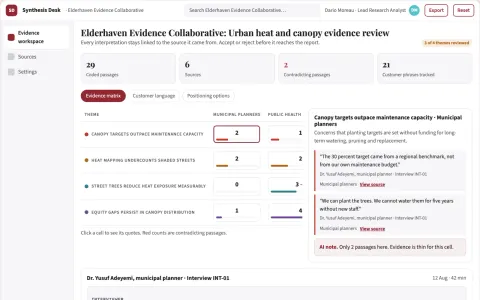
Multi-source research synthesis and reporting workspace
Reduce manual research assembly while keeping every claim traceable to a source.
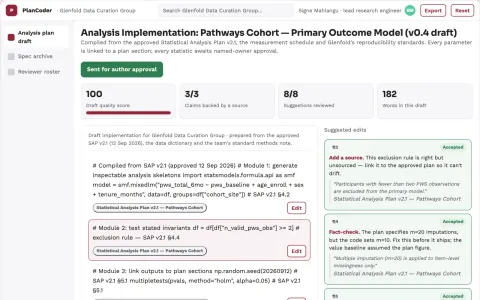
Research analysis specification compiler
Reduce implementation drift from an approved plan.
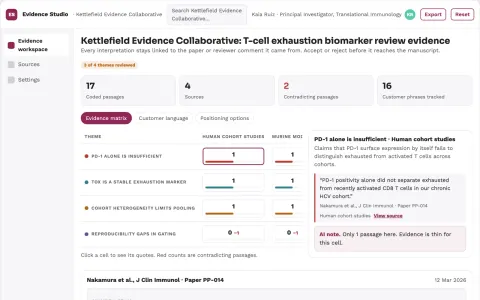
Reviewed research evidence and writing workspace
Reduce tool switching and reference errors while keeping the researcher's judgment in control.


















About this learning path
7 topicsAI for Social Scientists: A Practical Learning Path
Social scientists already spend much of the day reading, designing instruments, coding, writing, and explaining findings. AI can help with those parts without taking over your judgment.
This learning path is made for people who are not technical. You will set up an AI assistant, connect it to your work, learn prompts shaped for social science tasks, and watch video courses matched to this job. Certifications from those courses are included.
Why AI Matters Now
Research budgets are tight and timelines are short. Many social scientists are being asked to do more with the same staff, and AI is becoming a normal part of how teams draft, review, and summarize.
You do not need to become a programmer. You do need to know where AI helps, where it can mislead, and how to keep your evidence and interpretation trustworthy.
What This Path Includes
You start with setup questions that help you pick a tool, protect data, and set ground rules. Then you connect your AI to the kinds of work you do, like literature notes, survey drafts, and interview guides.
The path includes this prompt course and video courses chosen for social scientists. Each video course comes with its own certification, so you can show what you learned.
Job Skills Inside Your AI
You will load your AI with the skills of the job: research design, literature and theory, survey and instrument design, interviews, qualitative and quantitative analysis, writing, presenting, and grants and ethics paperwork.
That means your AI can help in the language of your work, not with generic advice.
How It Saves Time
AI can take the first pass at a literature summary, a survey wording check, a coding scheme, a methods paragraph, or a consent form. You still review every line and make the final call.
The time saved goes back into thinking, fieldwork, participant care, and clearer writing.
How It Protects Your Career
Employers and funders increasingly expect familiarity with AI, and they also expect care with privacy and research ethics. This path shows you how to use AI in ways you can defend.
You learn to keep data safe, check for bias, cite sources, and avoid sending sensitive material to tools that should not see it.
How to Start
Begin with the setup questions and the first lesson on research design. Work through one prompt at a time using a real project you already have.
Then take the video courses that match your current tasks. Small steps each day add up to a new way of working.
Frequently asked questions
Do I need technical skills?
No. The path is written for social scientists who are not technical, and the prompts use plain language. You will learn what AI can and cannot do for research tasks.Which AI tools will I use?
The lessons work with ChatGPT, Claude, Gemini, and similar tools. You can use the one your workplace allows or the one you already have.How do I protect sensitive data?
The setup questions and safety sections cover privacy, consent, and what not to paste into a tool. You will practice using fake or de-identified examples when needed.What certifications are included?
The video courses chosen for this job include their own certifications. You earn them by completing the course, and you can list them on your CV or professional profile.