
Learning path
Learning AI as a Physicist
This path helps physicists use AI for literature, math, coding, experiments, and writing. It covers setup, safe connections, job skills, our prompt course, and video lessons chosen for physics work.
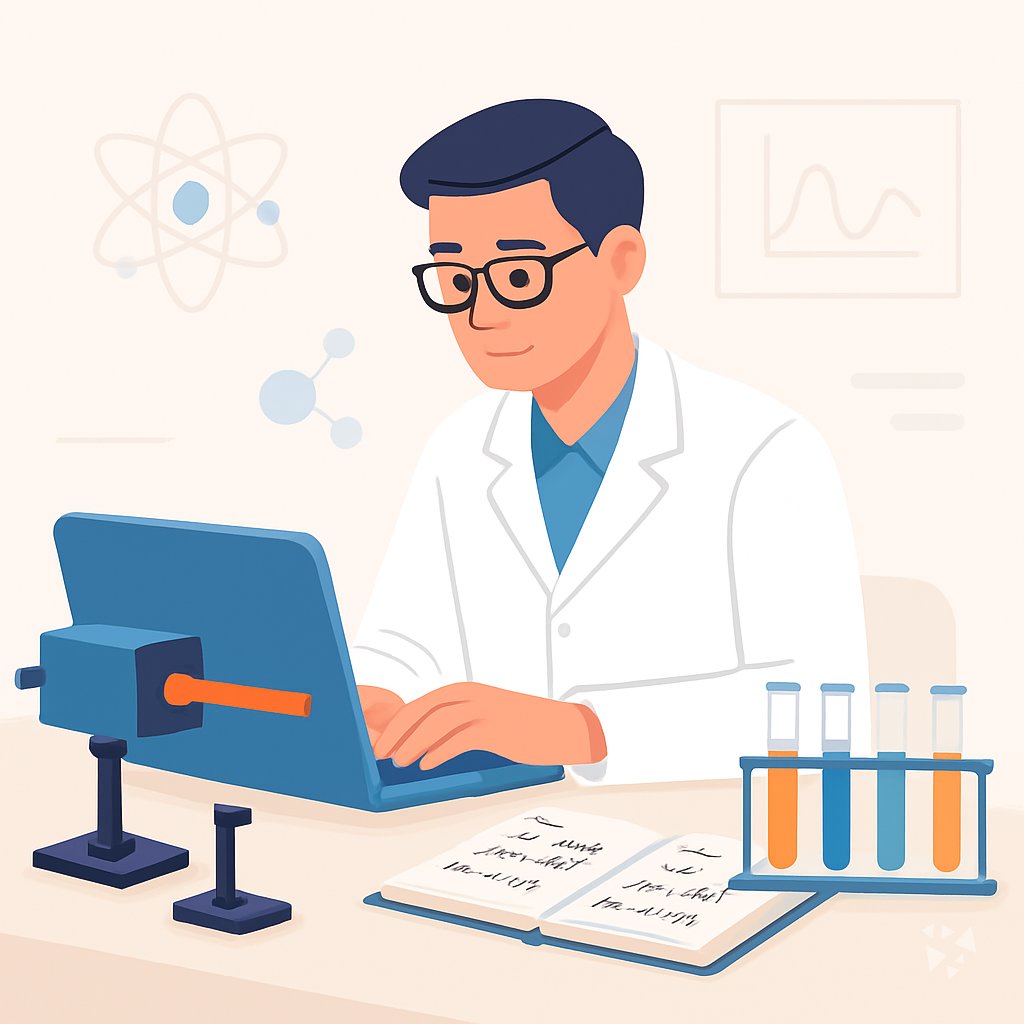
Your path
Everything in the Physicist AI kit, in the order that makes sense. Members tick off each step and see their progress.
Set up your AI
We guide you through each click.
Let skills do your everyday tasks
Connect your apps and pick your AI apps
Hand whole tasks to AI agents
Build your own tools
Keep growing
Everything for physicists
All the courses, certifications, AI tools, MCP servers and apps for physicists, most relevant first. Open any list to see more.
Take the prompt courses
A short framework course to learn how to ask, then 8 lessons with ready-to-use prompts for physicists.
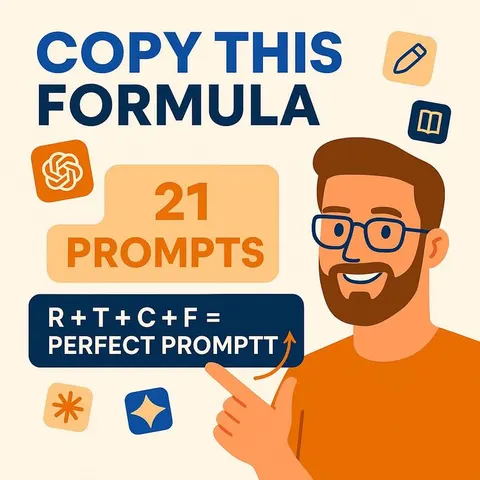
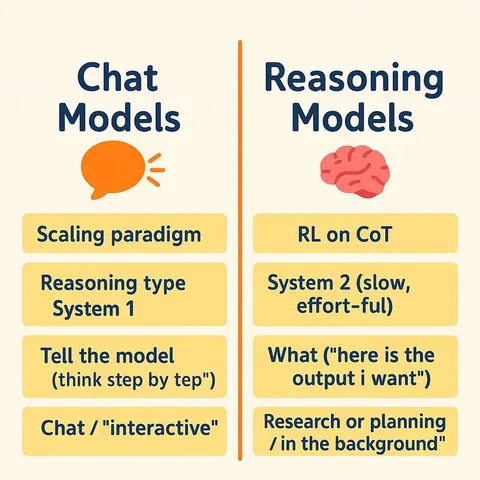
Start with this framework: how to talk to AI
This framework fits your physics work by stepping back to first principles then chaining steps for a scattering calculation.
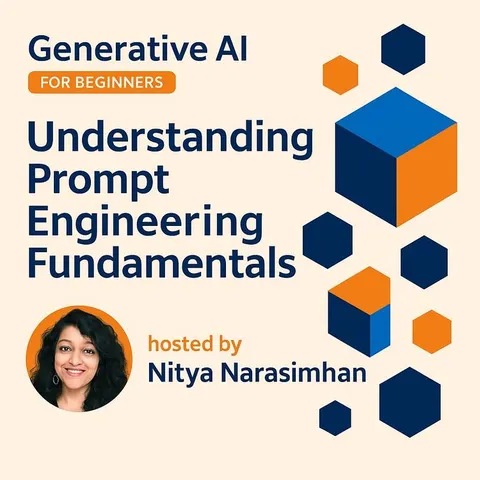
Then your prompt course for physicistsWatch the video courses or add them to your Favorites for later
79 video courses our AI picked for physicists, most useful first. Save the ones you want to watch later with the heart.
Favorites are saved to your account: sign in or get your AI kit first.
Show all 79 video courses
Get certified, or add certifications to your Favorites
Every course ends in an exam and a certificate you can add to LinkedIn. Save the certifications you are aiming for with the heart.
Favorites are saved to your account: sign in or get your AI kit first.
More certifications for physicistsShow all 24 certifications
Try the AI tools for physicists
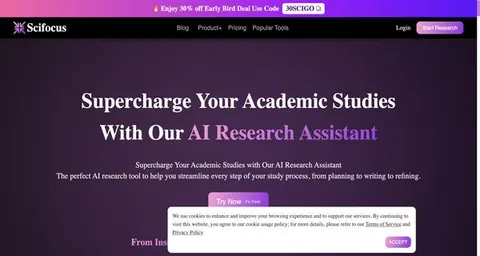
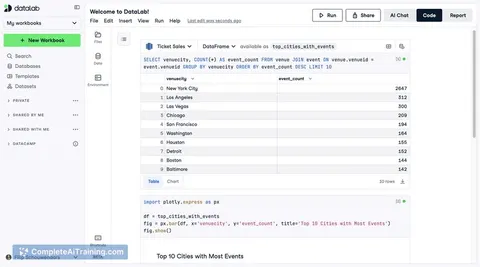
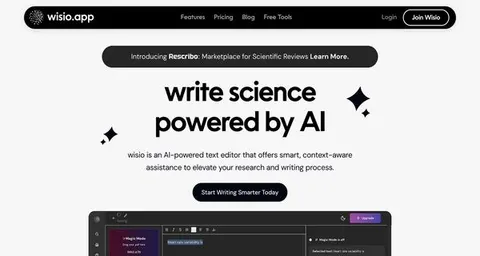
24 AI tools our AI matched to the work of physicists, best fit first. Each review shows what it does, its alternatives and the jobs it suits.
Favorites are saved to your account: sign in or get your AI kit first.
Show all 24 AI tools
Connect your AI to the apps physicists use
MCP servers let ChatGPT, Claude or Copilot look things up and get work done in other apps, like your email, calendar or bookkeeping software. These 12 fit the work of physicists best, well-known apps first.

Scholar MCP server
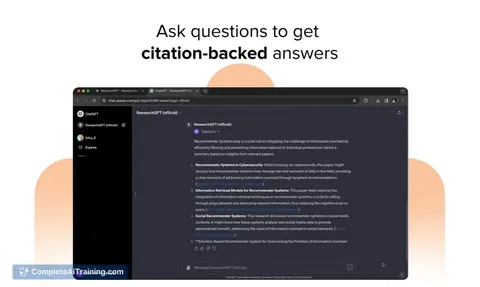
by Liyux3Your AI can search academic papers, read them, map citations, and save them into a personal library.

arXiv MCP server
by andybrandtLets your AI search arXiv for research papers and pull up their details and full text.
ResearchNo install
Google Scholar MCP server
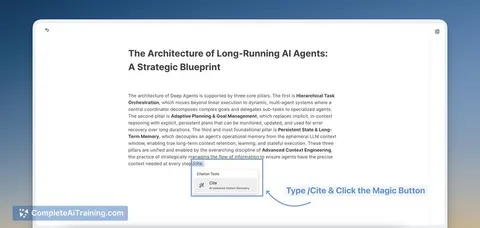
by HasDataLets your AI search Google Scholar and pull ready-made citations for papers you find.
ResearchNo install
Research Hub MCP server
by WenyuChiouLets your AI search for papers, save them to Zotero, and write notes into your Obsidian vault for you.

Paperboy MCP server
by michaelellis003Find research papers, queue them in Zotero, and send the PDFs to your Kindle or Kobo.

Semantic Scholar MCP server
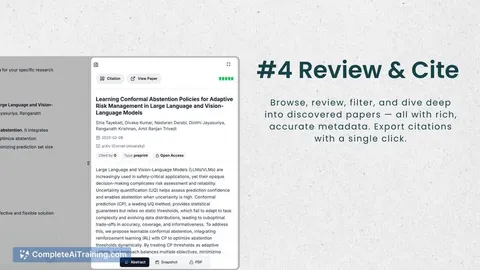
by smanichesSearch 200M+ academic papers, follow citations, and get author details right inside your AI chat.
Show all 12 MCP servers

Annota MCP server
by dengls24Let your AI read your Zotero papers, highlight key findings, explain formulas, and save reading notes back to your library.

Mendeley MCP server
by pallaprolusLets your AI search your Mendeley library, read your papers, and organize your folders for you.

Zotero MCP server (Zoteus)
by oscardvsLets your AI search your Zotero library, pull PDF passages with page numbers, and format citations.
ResearchNo install
Zotero MCP server
by dvdsosaLet your AI search, read, and update your own Zotero library on your computer, even offline.

MATLAB MCP server
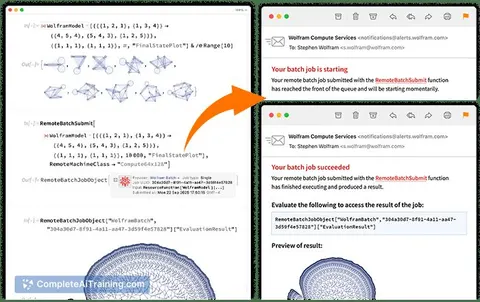
by HanSur94Let your AI write and run MATLAB code, make interactive plots, and run long jobs for you.

arXiv LaTeX MCP server
by takashiishidaLet your AI read the original LaTeX of arXiv papers so it can handle equations and math correctly.
Build your own AI apps for physicists
Apps you build yourself with your own AI, no coding needed and no monthly fee. Our AI picked the 12 that fit the work of physicists.
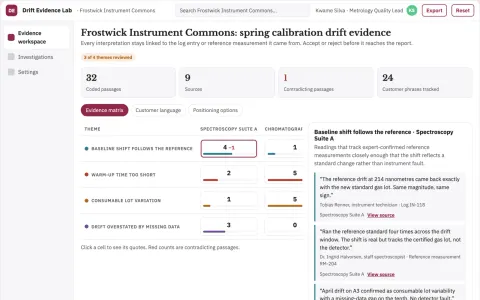
Research measurement drift investigation lab
Identify measurement issues before downstream analysis expands.
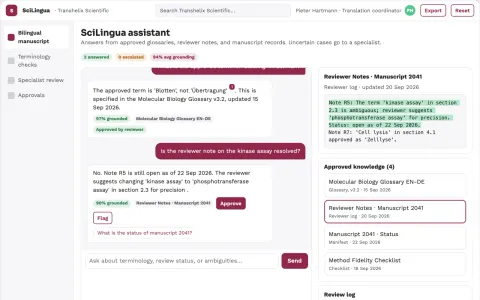
Scientific translation service
Field-specific terminology and method fidelity verified by qualified reviewers.
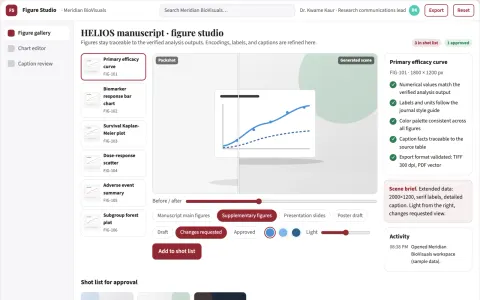
Scientific figure studio
Visual clarity with traceability to the supplied numerical results.
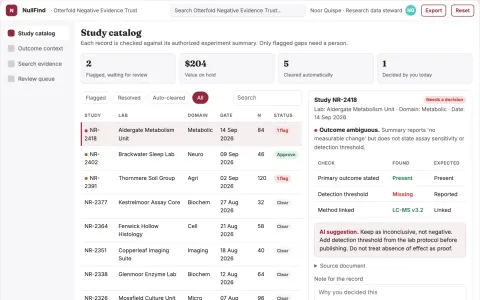
Negative-result study archive
Recover what was tried and why it was inconclusive.
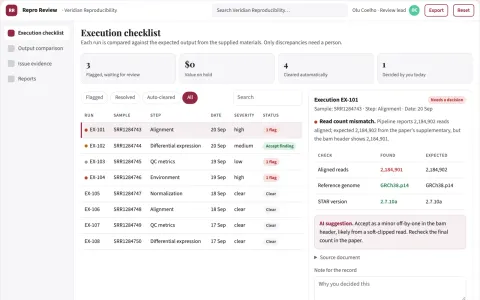
Reproducibility review service
Independent execution evidence with exact discrepancies and environment context.
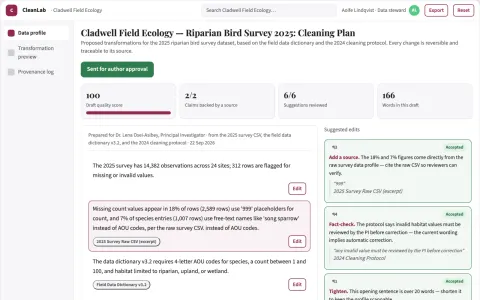
Research data cleaning
Reversible, documented transformations with researcher-approved rules.
Show all 12 apps
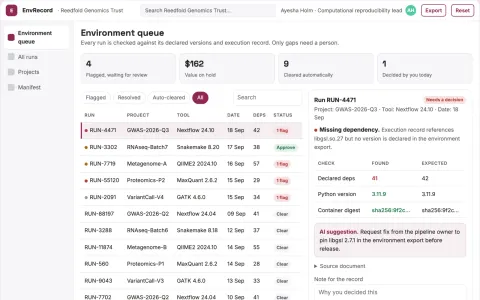
Research software environment recorder
Document execution context before sharing.
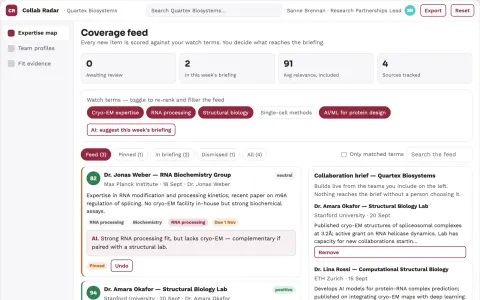
Research collaboration discovery
Method-level complementarity supported by specific published work.
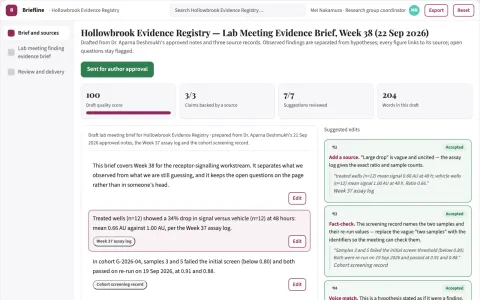
Lab meeting finding evidence brief
Explicit distinction between evidence and hypotheses.
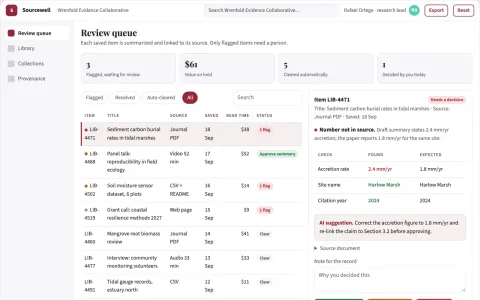
Searchable research library and data stewardship console
Reduce time spent re-finding and re-reading saved material while keeping source provenance and review state attached.
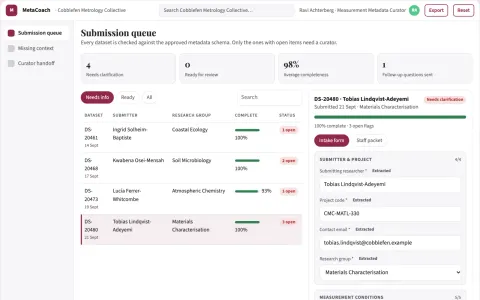
Scientific measurement metadata coach
Complete records without inventing conditions.
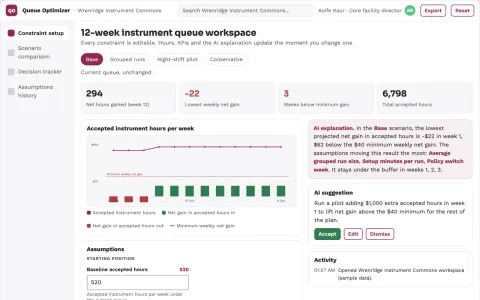
Shared research instrument queue optimizer
Increase useful instrument access without extending operating hours.









About this learning path
6 topicsA Practical AI Learning Path for Working Physicists
Physicists spend a lot of time on tasks that support the science: reading papers, checking algebra, debugging code, planning experiments, and responding to reviewers. AI can help with these tasks without replacing your judgment.
This learning path shows you how to set up AI tools safely, connect them to your work, and use prompts that fit physics research. You will also find video courses and certifications picked for your role.
Why AI Matters Now
Research moves fast, and the supporting work grows with it. AI can help you keep up with new papers, test ideas, and handle the administrative load that comes with funding and teaching.
You still do the thinking. AI just gives you a faster starting point.
What the Path Includes
You begin with setup questions and safe ways to connect AI to your notes or code. Then you build job skills like summarizing papers, checking derivations, and drafting simulation code.
The prompt course gives you ready to use prompts for physics tasks. Video courses and certifications follow, chosen for the work physicists actually do.
How It Saves You Time
Small tasks add up: reformatting references, simplifying equations, writing uncertainty notes, or preparing slides. AI can draft these quickly so you can spend more time on the physics.
How It Protects Your Career
Knowing how to use AI well makes you more effective in a competitive field. You stay in control of your data, your voice, and your scientific integrity.
How to Start
Start with one task that slows you down, like checking a derivation or drafting a referee reply. Try one prompt from the course and see how it fits your workflow.
Frequently asked questions
Is this path for physicists who are not programmers?
Yes. The path assumes no coding background. It focuses on using AI through everyday tools like ChatGPT, Claude, or Gemini, and you can skip the coding lessons if they do not apply to your work.Can I use AI with sensitive research data?
You should follow your institution's rules and avoid pasting unpublished or proprietary data into public tools. The path includes a section on safe connections and privacy so you can get help without risking your work.Do I need to know how to write prompts?
No. The prompt course gives you clear examples you can copy and adapt. You will learn how to add context, ask for steps, and check the output, which is the main skill.How long does the path take?
Most people move through the lessons at their own pace over a few weeks. You can start with one prompt today and return for the video courses and certifications when you are ready.