
Learning path
Learning AI as a Neuroscientist
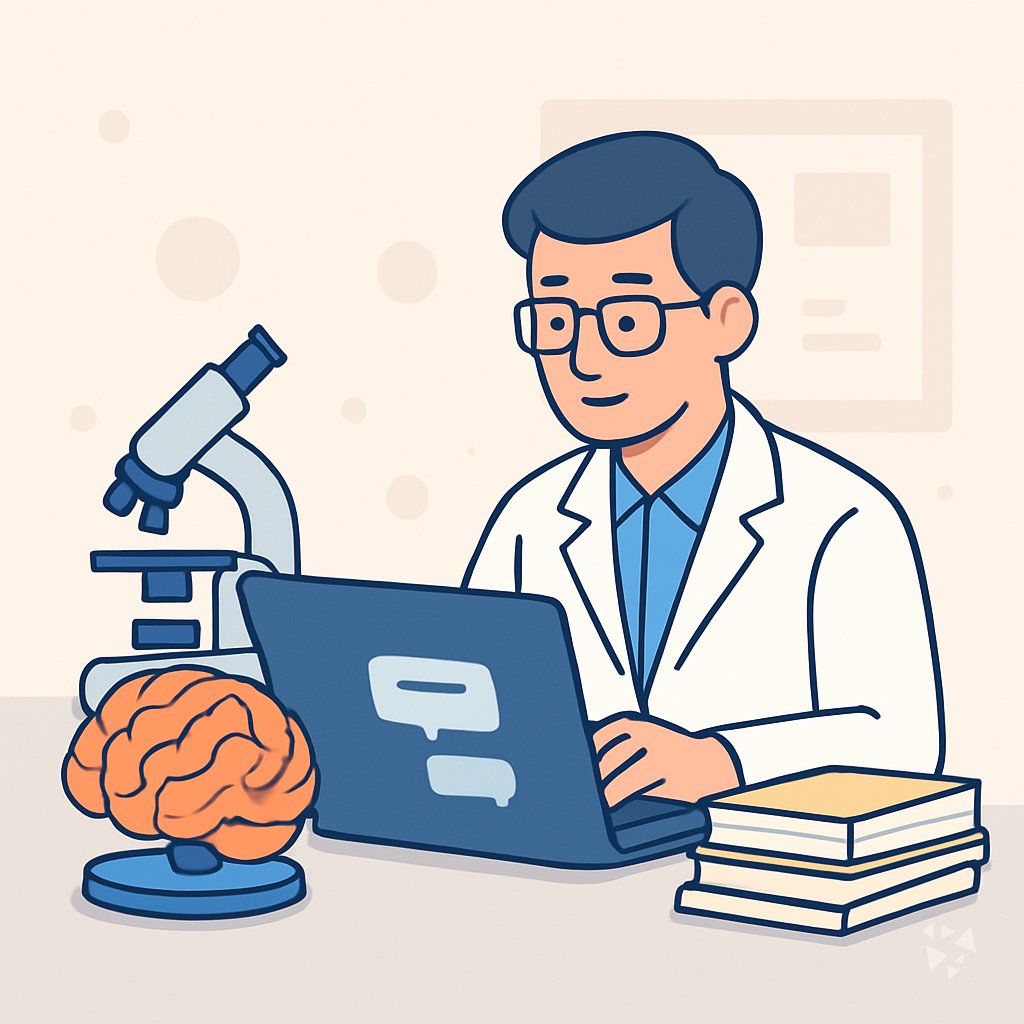
This learning path helps neuroscientists use AI for reading papers, planning experiments, checking code, and writing grants. It starts with setup and safe connections, then builds job skills with prompts and short video courses.
Your path
Everything in the Neuroscientist AI kit, in the order that makes sense. Members tick off each step and see their progress.
Set up your AI
We guide you through each click.
Let skills do your everyday tasks
Connect your apps and pick your AI apps
Hand whole tasks to AI agents
Build your own tools
Keep growing
Everything for neuroscientists
All the courses, certifications, AI tools, MCP servers and apps for neuroscientists, most relevant first. Open any list to see more.
Take the prompt courses
A short framework course to learn how to ask, then 9 lessons with ready-to-use prompts for neuroscientists.
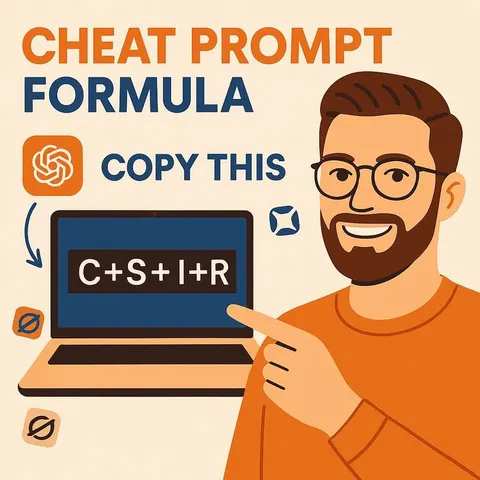
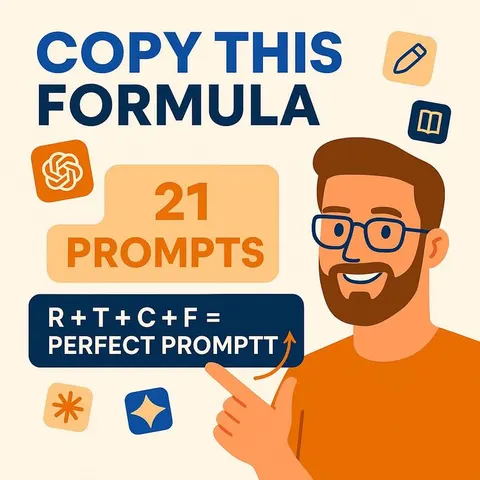
Start with this framework: how to talk to AI
RACE fits your neuroscience work because it defines role, action, context, and expectation for a grant analysis of hippocampal plasticity.
Then your prompt course for neuroscientistsWatch the video courses or add them to your Favorites for later
97 video courses our AI picked for neuroscientists, most useful first. Save the ones you want to watch later with the heart.
Favorites are saved to your account: sign in or get your AI kit first.
Show all 97 video courses
Get certified, or add certifications to your Favorites
Every course ends in an exam and a certificate you can add to LinkedIn. Save the certifications you are aiming for with the heart.
Favorites are saved to your account: sign in or get your AI kit first.
More certifications for neuroscientistsShow all 24 certifications
Try the AI tools for neuroscientists
24 AI tools our AI matched to the work of neuroscientists, best fit first. Each review shows what it does, its alternatives and the jobs it suits.
Favorites are saved to your account: sign in or get your AI kit first.
Show all 24 AI tools
Connect your AI to the apps neuroscientists use
MCP servers let ChatGPT, Claude or Copilot look things up and get work done in other apps, like your email, calendar or bookkeeping software. These 12 fit the work of neuroscientists best, well-known apps first.

NCBI PubMed MCP server
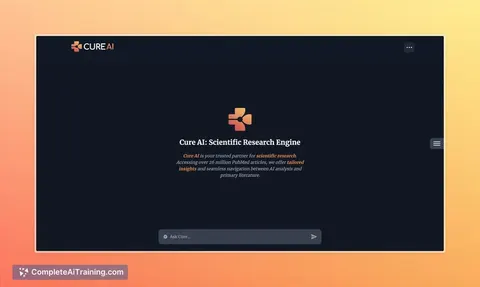
by vitorpavinatoSearch PubMed's millions of research articles and get summaries, authors, and related papers through your AI.

Scholar MCP server
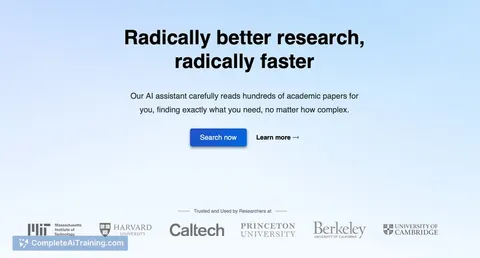
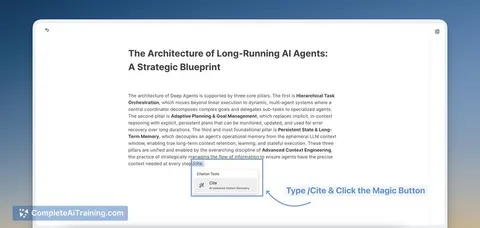
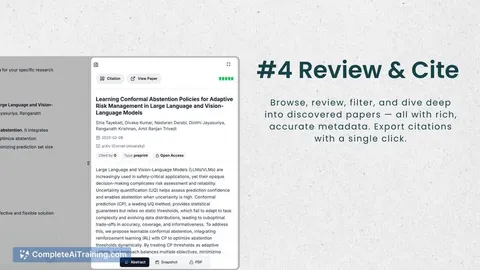
by Liyux3Your AI can search academic papers, read them, map citations, and save them into a personal library.

Google Scholar MCP server
by HasDataLets your AI search Google Scholar and pull ready-made citations for papers you find.
ResearchNo install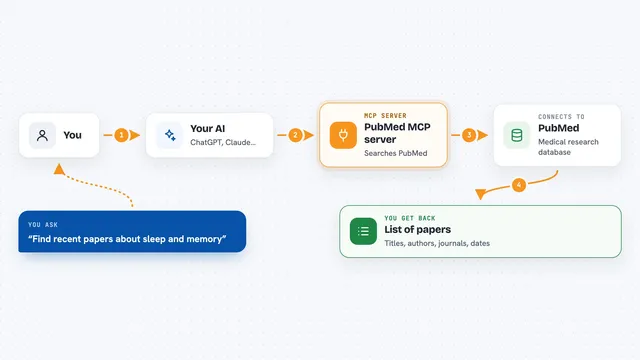
PubMed MCP server
by andybrandtLets your AI search medical and life sciences papers on PubMed and read their abstracts and full text.

Research Hub MCP server
by WenyuChiouLets your AI search for papers, save them to Zotero, and write notes into your Obsidian vault for you.

Semantic Scholar MCP server
by smanichesSearch 200M+ academic papers, follow citations, and get author details right inside your AI chat.
Show all 12 MCP servers

Mendeley MCP server
by pallaprolusLets your AI search your Mendeley library, read your papers, and organize your folders for you.

arXiv MCP server
by andybrandtLets your AI search arXiv for research papers and pull up their details and full text.
ResearchNo install
Zotero MCP server (Zoteus)
by oscardvsLets your AI search your Zotero library, pull PDF passages with page numbers, and format citations.
ResearchNo install
Paperboy MCP server
by michaelellis003Find research papers, queue them in Zotero, and send the PDFs to your Kindle or Kobo.

Annota MCP server
by dengls24Let your AI read your Zotero papers, highlight key findings, explain formulas, and save reading notes back to your library.

Research Data Finder MCP server
by musharnaSearch and download research datasets and papers from many archives, all through one request to your AI.
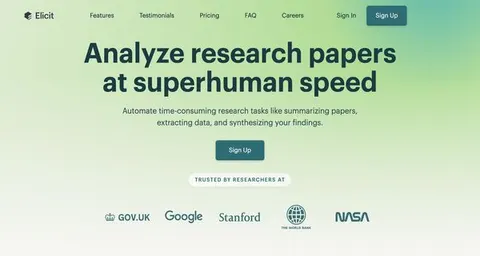
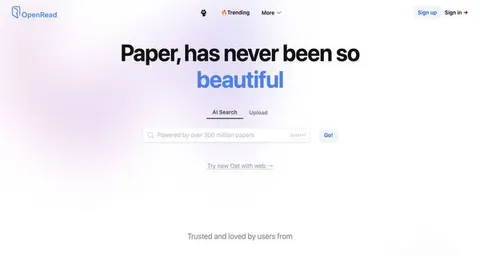
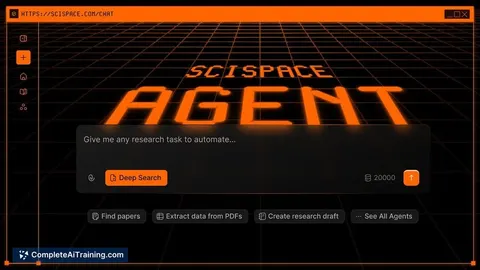
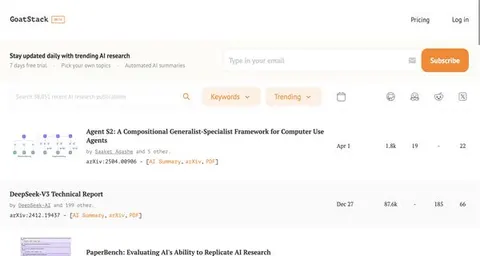
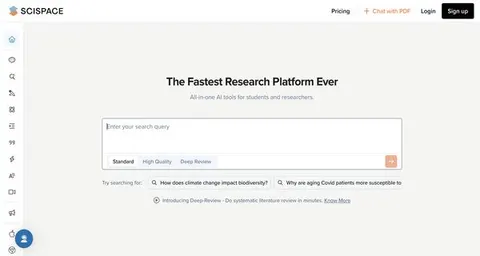
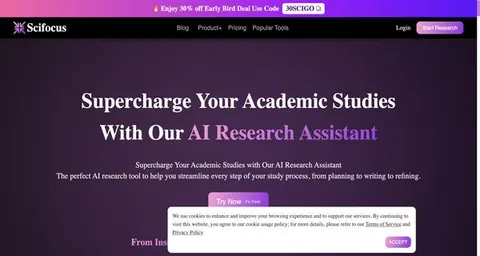
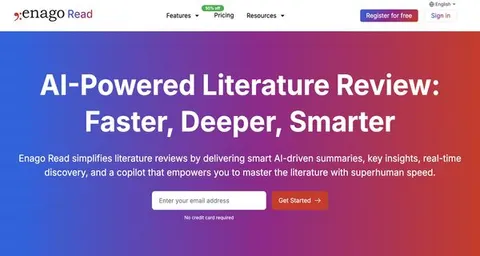
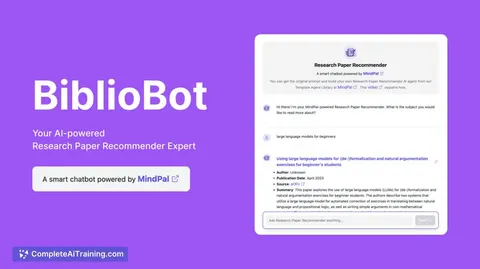
Build your own AI apps for neuroscientists
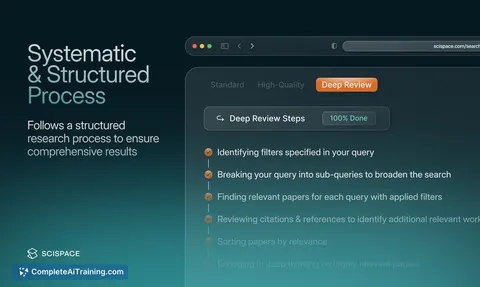
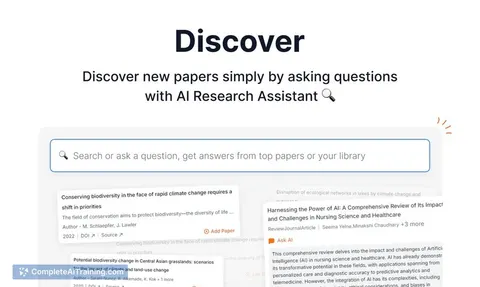
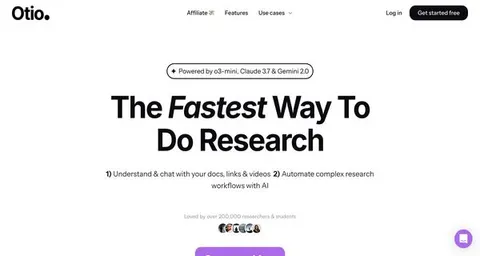
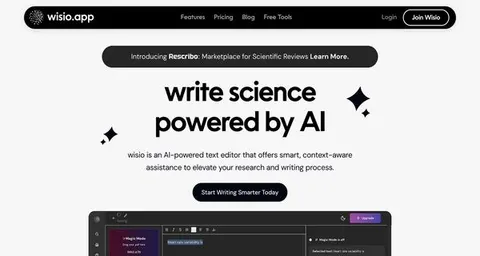
Apps you build yourself with your own AI, no coding needed and no monthly fee. Our AI picked the one that fits the work of neuroscientists.

About this learning path
7 topicsAI Skills for Neuroscientists at Work
Neuroscience asks a lot of your attention. You read widely, design careful studies, and explain results to many audiences. AI can help with the routine parts so you can focus on the science.
The path is built for working neuroscientists. It starts with setup questions, then shows you how to connect your AI, use job skills inside it, and apply prompts to real tasks. Short video courses and certificates are included.
Why AI Matters Now
Neuroscience moves fast. New papers, tools, and methods arrive every week. AI can help you keep up without losing your scientific judgment.
What The Path Includes
You start with setup questions so your AI tools fit your work. Then you connect your AI, learn job skills inside it, and take this prompt course. Short video courses picked for neuroscience give you examples and certificates.
How It Saves Time
AI can draft routine writing, explain code, and summarize long papers. You still check every detail, but you start from a useful draft instead of a blank page.
How It Protects Your Career
Using AI well helps you stay current and spend more time on original thinking. You learn safe habits, clear review, and how to keep your voice in the work.
Video Courses And Certificates
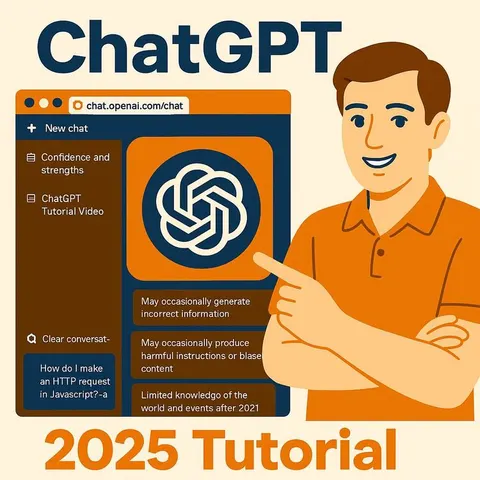
The video courses show neuroscience tasks in ChatGPT, Claude, or Gemini. Each course offers a certificate when you finish, so you can show what you learned.
How To Start
Begin with the setup questions and one small task you do often. Try a single prompt, check the answer, and adjust. Then move through the lessons at your pace.
Frequently asked questions
Do I need coding skills?
No. The course starts with plain prompts and explains technical steps in simple language. If you already code, you can go deeper with the code lessons.Is my research data safe?
Treat AI tools like any outside service. Do not paste private data, unpublished results, or patient information unless your institution approves it. Use de-identified examples when you practice.Will AI write my papers for me?
AI can help you outline, draft, and polish, but you remain the author and thinker. You must check facts, citations, and wording before submission.How much time does each lesson take?
Most lessons fit into short work sessions. You can finish one lesson, try the prompt, and return later. The path is built for busy schedules.