AI tool
LongCat-2.0
LongCat-2.0 is an MIT-licensed MoE model trained for coding and agentic workflows. It provides developers with a one million token context and integrates with Claude Code and OpenClaw.
About LongCat-2.0
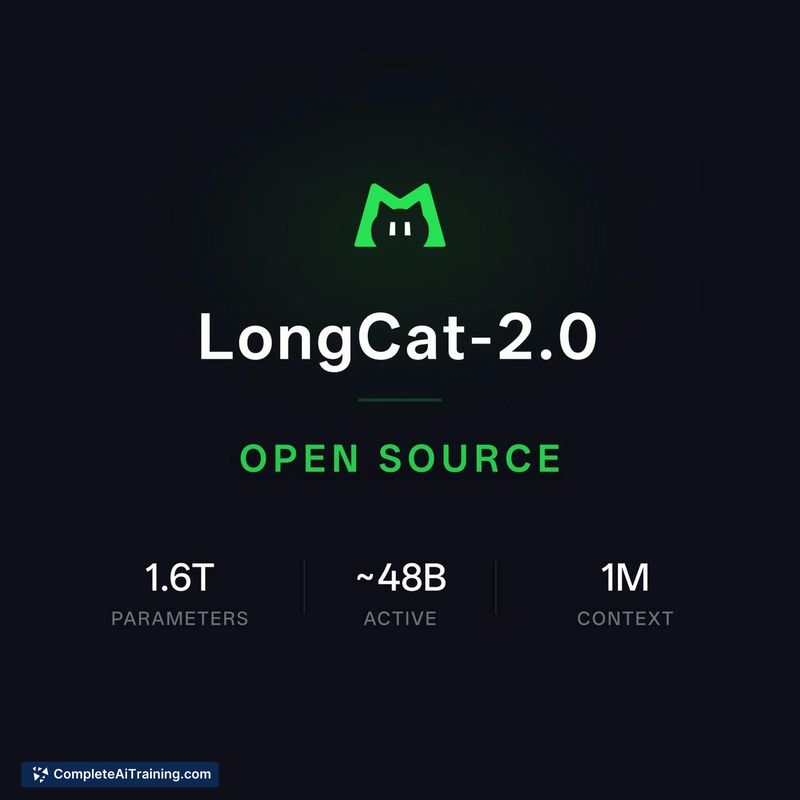
LongCat-2.0 is a 1.6T-parameter mixture-of-experts (MoE) model from Meituan, released under an MIT license. The model activates approximately 48B parameters per token, supports a 1M-token context window, and was trained on AI ASIC superpods over more than 35T tokens. It includes post-training for coding and agentic workflows and integrates with Claude Code, OpenClaw, and Hermes.
Review
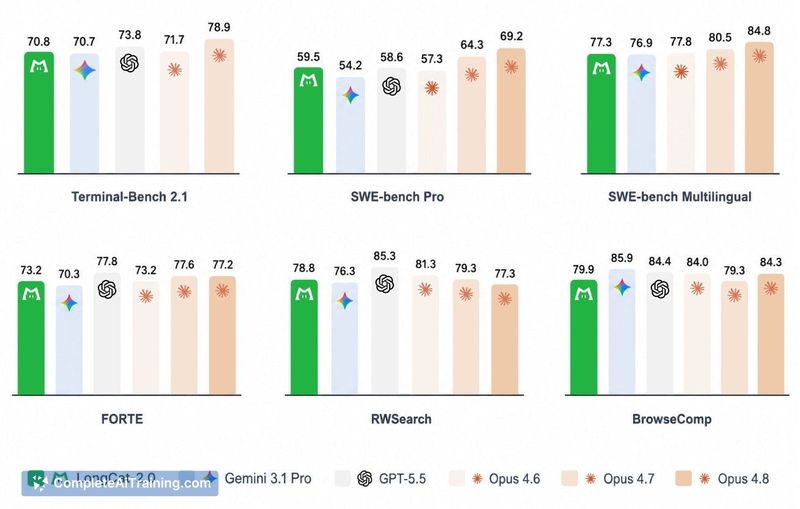
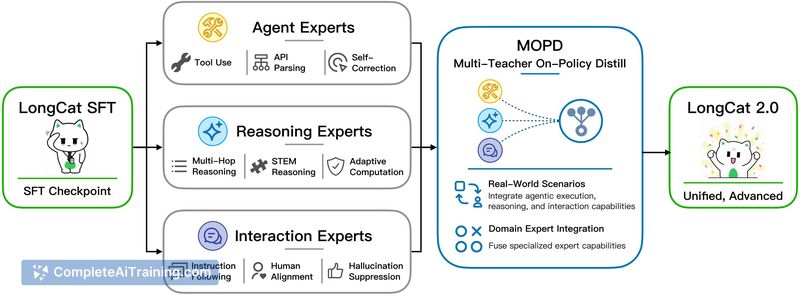
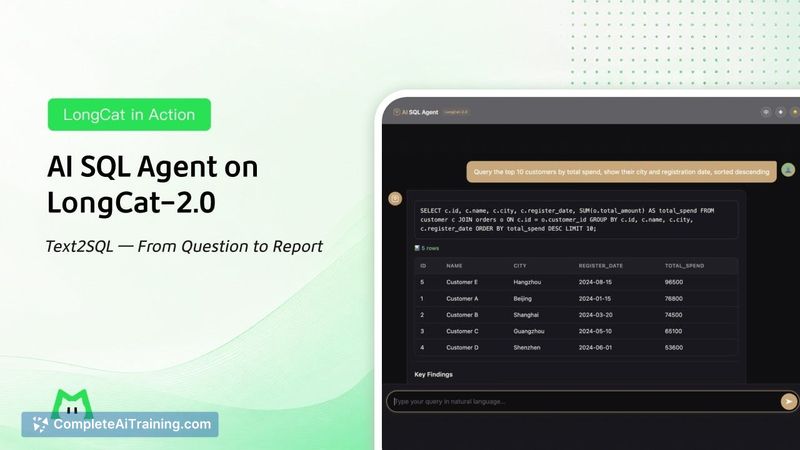
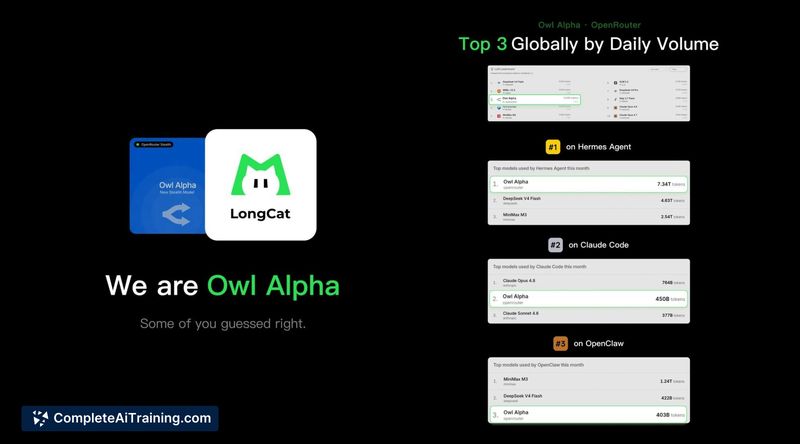
LongCat-2.0 arrives as the second launch from Meituan's LongCat model series. The technical choices here differ from many large-model releases - the training run used AI ASIC superpods rather than conventional Nvidia infrastructure, and the team reports completing the full run without rollbacks or irrecoverable loss spikes. The model ships with open weights under MIT, which means users can download, modify, and deploy it without licensing restrictions.
Key Features
- 1.6T total parameters with ~48B active per token via MoE architecture
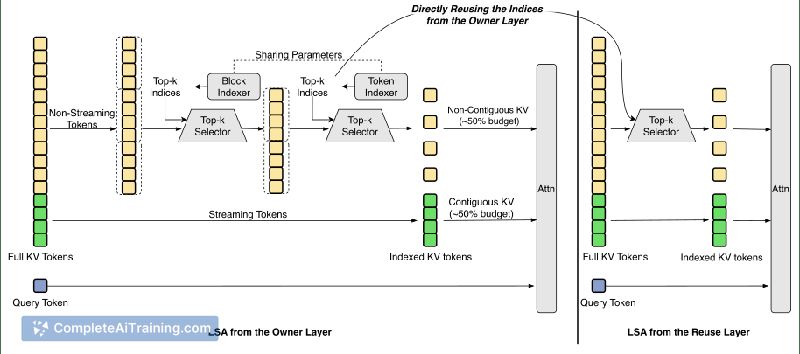
- 1M-token context window using LongCat Sparse Attention
- Post-training for coding and agentic workflows
- MIT license with open weights
- Integration with Claude Code, OpenClaw, and Hermes
Pricing and Value
The model weights are free and MIT-licensed. The reference content does not specify whether a hosted API endpoint exists - several commenters have asked about this, and no public answer is available as of this writing. Users who want to run LongCat-2.0 currently need to self-host the weights, which requires infrastructure capable of handling a model with 48B active parameters.
Pros
- MIT license allows unrestricted use, modification, and redistribution
- 1M context window handles very long documents and extended agent sessions
- Training stability on ASIC hardware suggests the checkpoint is reliable
- Integration with existing agent frameworks reduces setup friction
- Post-training specifically targets coding and agentic tasks rather than general chat
Cons
- No hosted API is documented, so self-hosting is the only confirmed deployment path
- 48B active parameters still demand significant compute for inference
- Not well suited for teams without the infrastructure to run large MoE models locally
LongCat-2.0 fits teams that already have GPU or ASIC infrastructure and want an MIT-licensed model with a 1M context window for coding and agentic tasks. The integration with Claude Code, OpenClaw, and Hermes points to a practical focus on existing developer workflows rather than building a new ecosystem from scratch. It's less practical for individual developers or small teams who rely on hosted APIs and don't want to manage their own inference servers.
Jobs LongCat-2.0 suits
We checked LongCat-2.0 against 500+ jobs; these get the most out of it.
Alternatives to LongCat-2.0
Other tools that do the same main job. Our AI compared LongCat-2.0 with similar tools and kept the ones you could use instead.