AI tool
PMB
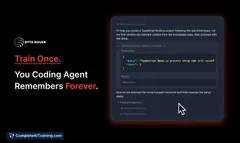
PMB provides developers with local memory for coding agents by storing decisions and lessons in a SQLite workspace. It feeds this context to tools like Cursor and Claude Code to prevent repeating instructions across sessions.

About PMB
PMB is an open-source tool that adds persistent project memory to AI coding agents through the Model Context Protocol (MCP). It stores decisions, lessons, goals, and project facts in a local SQLite workspace on your disk. The system operates offline-first, requiring no cloud connection or API keys for reading stored context.
Review
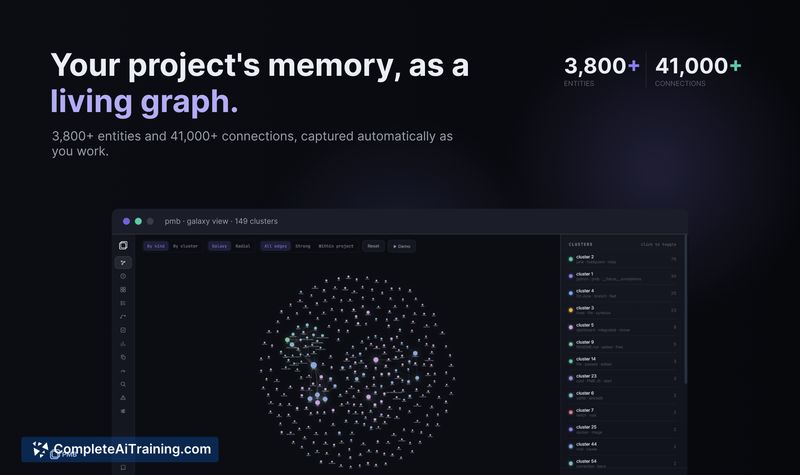
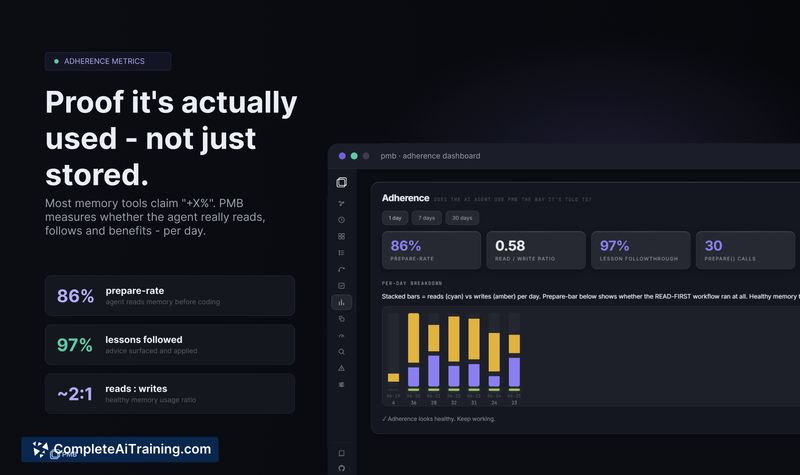
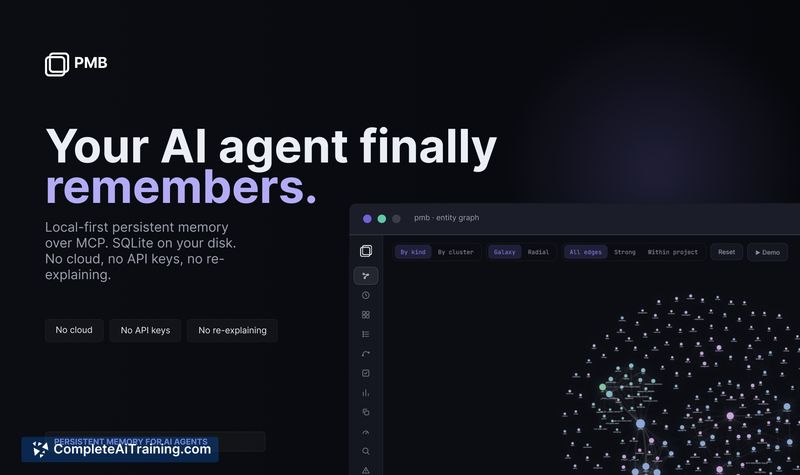
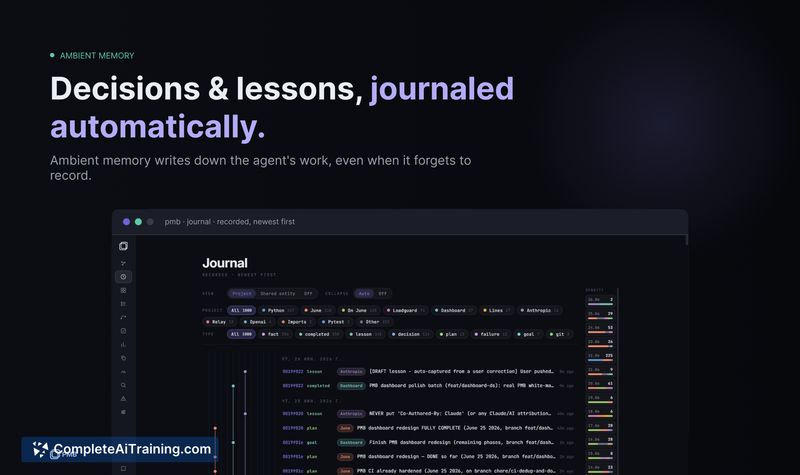
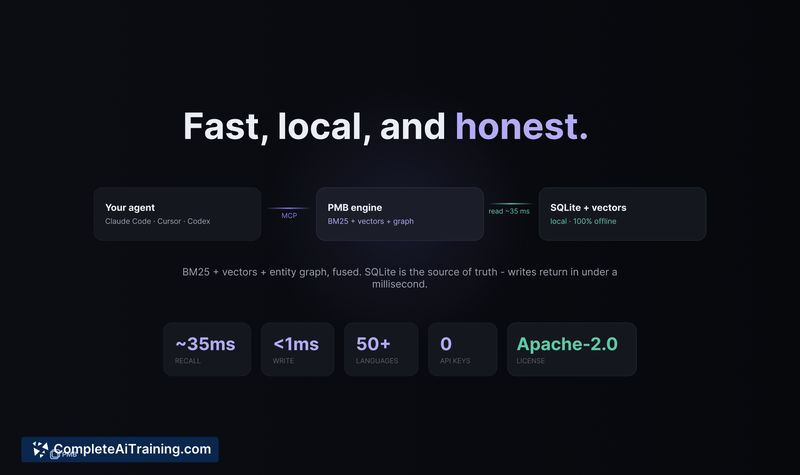
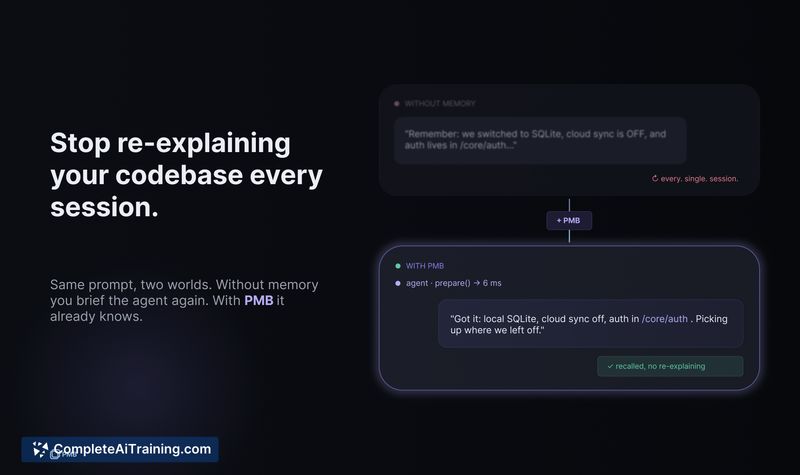
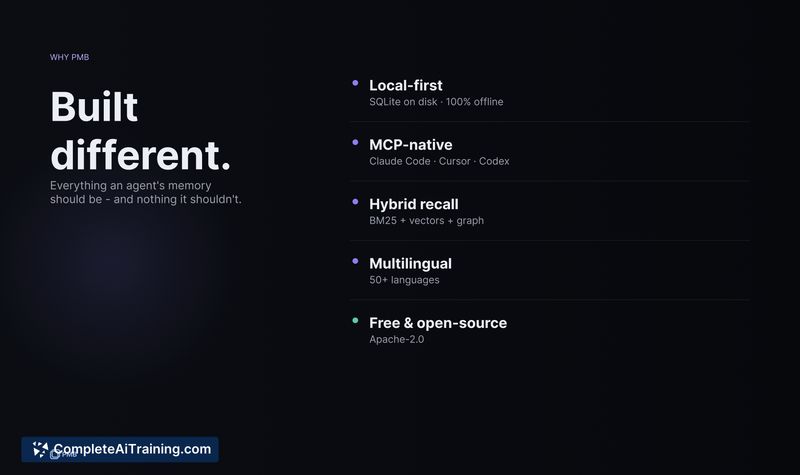
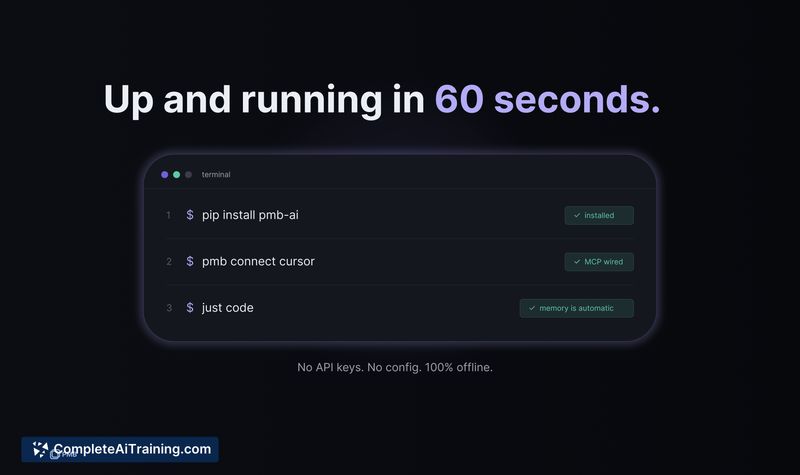
Developers frequently re-explain project constraints and past decisions to AI coding agents at the start of every new session. PMB addresses this with a durable, local memory layer that feeds relevant context back to tools like Claude Code, Cursor, Codex, and Zed. The architecture relies on a hybrid retriever combining BM25, vector search, and an entity graph to pull specific context instead of dumping flat text files.
Key Features
- Typed memory categorizes inputs into distinct types, treating lessons as rules and goals as objectives rather than generic text.
- Local SQLite storage keeps all project data on the local disk without sending information to external embedding APIs.
- A hybrid retrieval system uses BM25, vector embeddings, and an entity graph to rank context by relevance and recency.
- Keyed facts apply a latest-wins logic where updated attributes archive the previous values instead of overwriting them.
Pricing and Value
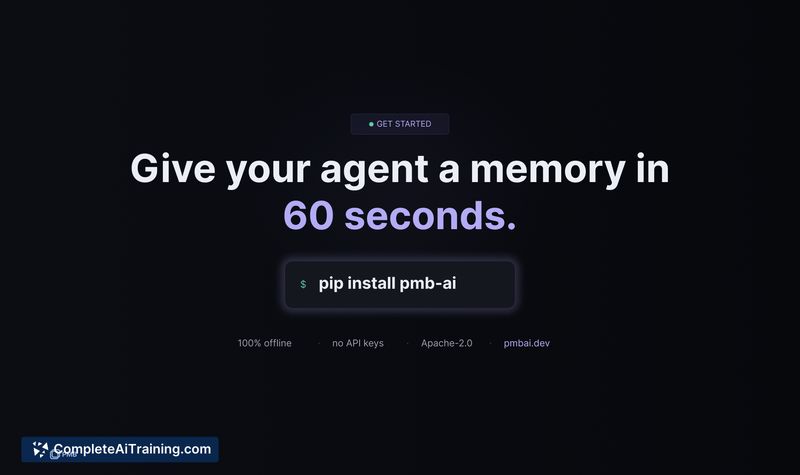
PMB is currently available as a free, open-source project. Users can install it directly via pip and run the local dashboard without purchasing a license or paying for hosted memory services. The absence of read-path LLM calls or external API requirements keeps operational costs at zero for the end user.
Pros
- The append-only SQLite architecture with WAL mode prevents data corruption when multiple agents write to the same project simultaneously.
- Workspace isolation assigns a separate SQLite store to each project, preventing memory leakage across different client codebases.
- Explicit corrections store high-priority lessons that automatically outrank and override contradictory older events in the retrieval path.
Cons
- Free-text decisions lack current semantic conflict detection, meaning a reversed architectural direction might still score well in searches until recency decay down-weights it.
- The tool is not well suited for teams needing automatic cross-machine synchronization, as sharing memory between different computers currently relies on manual git-sync workflows and WAL checkpoints.
- Impact tracking currently shows which lessons influenced outcomes, but it lacks a packaged after-session diff view to clearly display new assumptions or changed memories.
PMB functions as a localized context layer for developers running MCP-aware coding agents on a single machine. It serves engineers who need to maintain project history and architectural decisions securely on their own hardware. Teams managing multiple concurrent agents within the same local repository will find the append-only write structure particularly applicable to their workflow.
Jobs PMB suits
We checked PMB against 500+ jobs; these get the most out of it.
Alternatives to PMB
Other tools that do the same main job. Our AI compared PMB with similar tools and kept the ones you could use instead.