AI tool
Token Forecaster
Token Forecaster predicts LLM reply length before and during generation, showing typical and worst-case durations. It is for developers who need to reserve context room, spot runaway loops, or decide when to split a task.
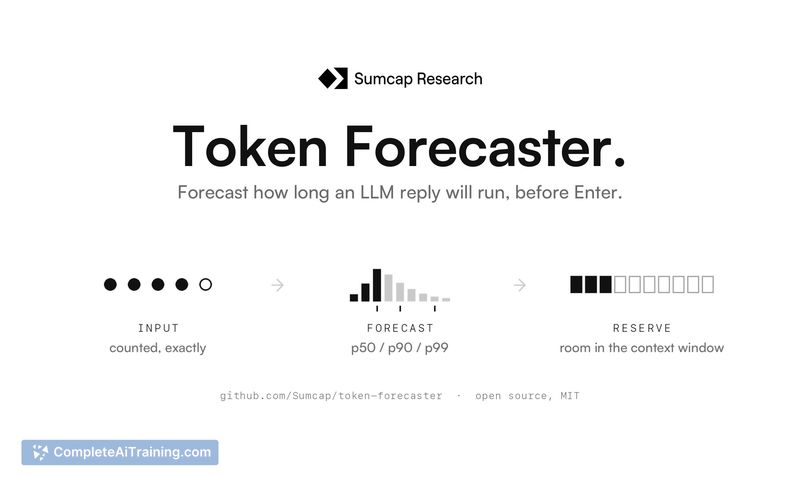
About Token Forecaster
Token Forecaster is a local tool that estimates how long an LLM reply will run before generation starts. It displays a typical length range and a worst-case threshold, then monitors the reply stream to flag when a response is running long. The tool watches requests without modifying them, and it's released under an open-source MIT license.
Review
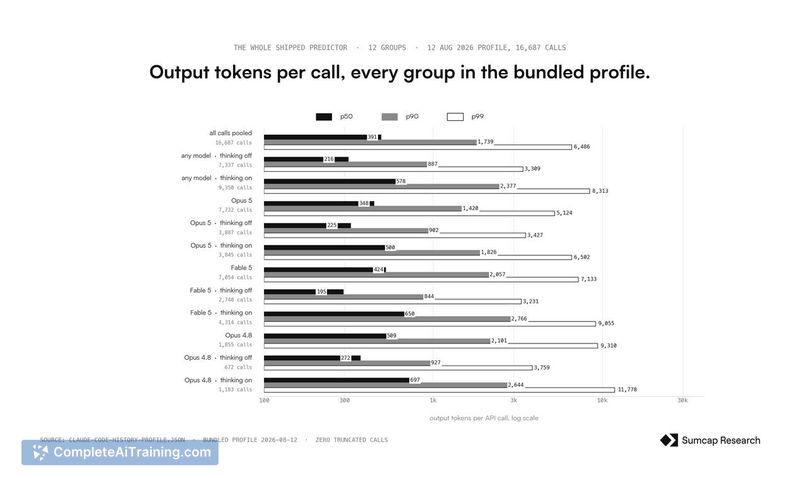
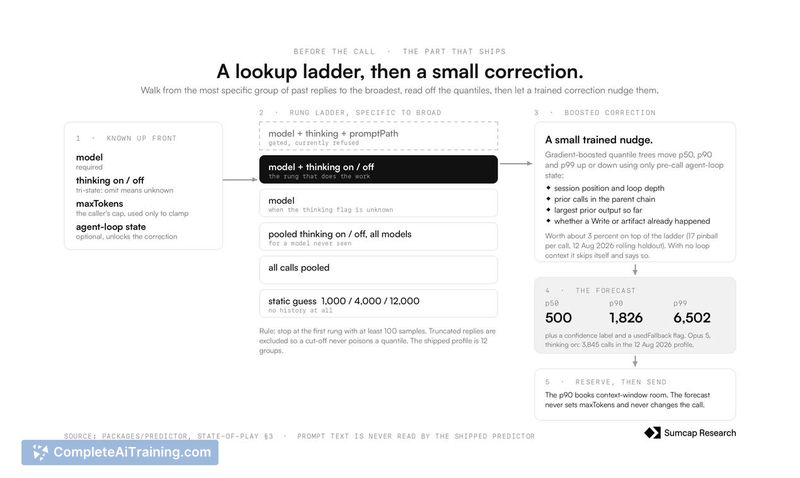
Token Forecaster approaches LLM usage from a practical angle: knowing what to expect before you commit to a generation. It doesn't alter prompts or set token limits. Instead, it surfaces forecast data drawn from local history, letting a developer decide when to split a task or reserve context room.
Key Features
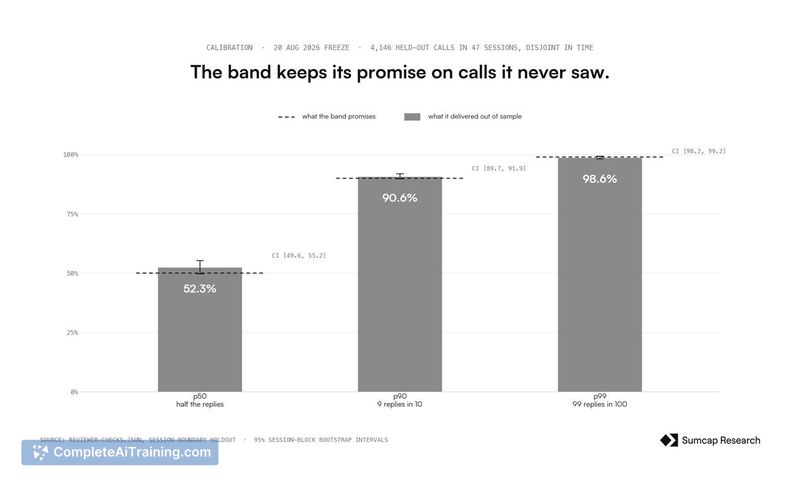
- Pre-generation forecast showing both a usual length and a worst-case line calibrated on 4,146 unseen calls, where 90.6% fell under the worst-case threshold
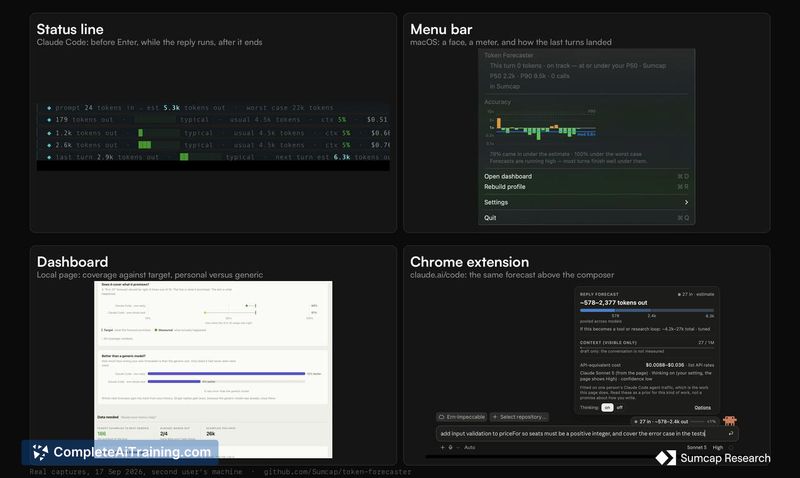
- Stream monitoring that labels a running reply as typical, running long, or very long, displayed in a terminal status line, macOS menu bar app, local dashboard, or Chrome extension
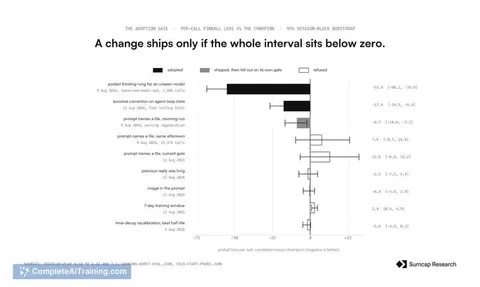
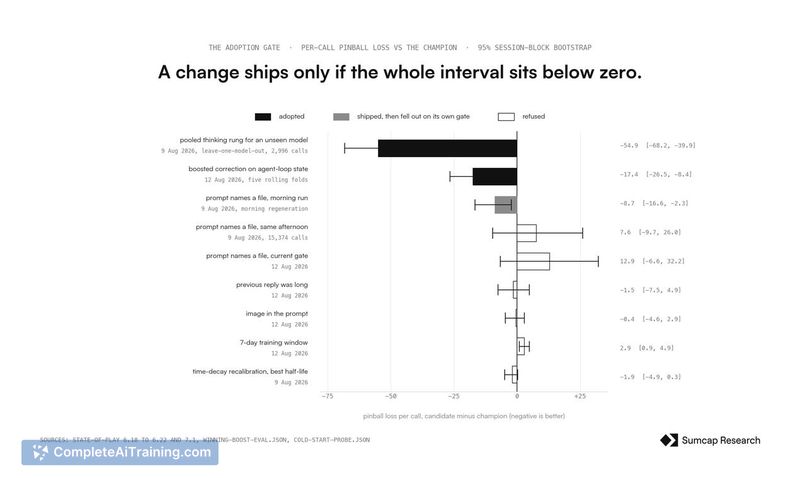
- Personal profile fitting from your own local history, which swaps in automatically when it outperforms the bundled profile (one user reached 88.3% worst-case coverage on held-out calls)
- Read-only operation - the tool watches requests and never changes them, never sets max_tokens, and never uploads history
- Local execution on macOS (Apple silicon) and Windows, built from source with no installer yet
Pricing and Value
Token Forecaster is free and open source under the MIT license. There are no paid tiers, credits, or subscription models mentioned. The tool runs entirely on local hardware, so there are no API costs or usage fees associated with it.
Pros
- Runs locally and reads history without modifying or uploading it
- Gives a concrete worst-case estimate, not a vague guess - backed by 90.6% coverage on held-out data
- Switches to a personal profile when it proves more accurate than the bundled one
- Available across multiple surfaces: terminal, menu bar, dashboard, and browser extension
- Open source with documented failed experiments alongside the ones that passed
Cons
- Currently calibrated on Claude Code history; Codex ingestion is experimental, so coverage on other models or editors isn't yet established
- No installer - building from source is required, which adds friction for users who don't work with build toolchains
- Not well suited for developers who need the tool to actively cap token usage or save API costs, since it only observes and never modifies requests
Token Forecaster fits developers who want a read-only gauge on reply length before committing to a generation, especially those working in Claude Code and comfortable building from source. It's less relevant for users who need automated token capping or who primarily work with models outside its current calibration scope. The personal profile fitting gives it a path to improve on individual workloads, but expect to invest some setup time before it starts earning its place in a workflow.
Jobs Token Forecaster suits
We checked Token Forecaster against 500+ jobs; these get the most out of it.