MCP server · Developer tools
Sensorium MCP server
Lets your AI look inside a recorded program run to answer debugging questions about calls, errors and values.

Sensorium is a tool that records what a program actually did while it ran, then lets you ask questions about that recording. It works for Python, Rust and TypeScript programs. If you debug code and want your AI assistant to help you understand a run, this is for you.
What is an MCP server? The 30-second version
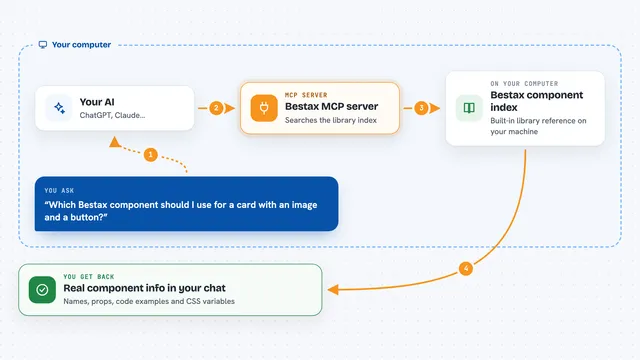
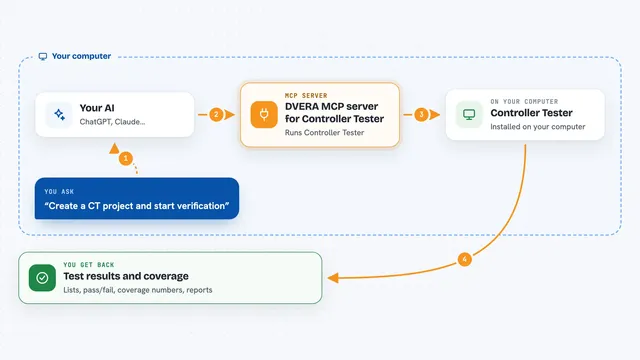
On its own, your AI can only chat with you. An MCP server is a small helper program that gives your AI a new skill or a connection to something outside the chat. This one connects your AI to Sensorium's recordings of your program runs. So instead of pasting logs into the chat, you ask your AI a question and it looks up the answer in the recorded trace for you.
What this MCP server does
You first record a run of your program with Sensorium, which saves everything that happened into a file on your computer. Then you connect this MCP server to your AI assistant. When you ask something like which function failed or where a number came from, your AI uses this helper to query the recorded trace. The helper reads the trace file and sends back a plain text answer. You see that answer in your chat, and you can ask follow-up questions from there.
 Click to zoom
What you can do with it
- See the call tree of a recorded run, so you know what actually ran
- Find every exception that was thrown or caught during a run
- Trace where a specific value came from in the code
- Compare two runs to see where they started to differ
- Look at one function activation in full detail
- Search the trace for every event that mentions a name
- Re-run a program with deeper capture and check whether it behaved the same
Try asking your AI
- “Which function raised an exception in my last run?”
- “Where did the value 1800 come from in the last trace?”
- “Show me the call tree of the last run, three levels deep”
- “Compare my last two runs and tell me where they diverge”
What it gives back to you
You get back plain text answers written for a language model to read: lists of calls, exceptions, values, or a short verdict like MATCH or DIVERGED when comparing runs. The answers are dense and factual, and they say clearly when the recording does not contain enough information to answer. You read them in your chat like any other reply.
Before you start
What you need
- Python 3.12 or newer on your computer
- The Sensorium tool installed (its README shows a short install command)
- An MCP client such as the Claude desktop app or Claude Code
- A program run that you have already recorded with Sensorium
Good to know
The record and refocus tools actually run your program again, so only enable them with --allow-run when you are comfortable with that.
Install it with your AI
Add Sensorium MCP server to your AI, no technical skills needed
You don't install anything by hand. You copy one prompt, paste it into an AI that can work on your computer, and it checks, installs and connects the server for you, asking you when it needs something.
Sign in to get the install prompt
Members get a ready-made prompt that lets the Claude desktop app check Sensorium MCP server, install it and connect it for them, step by step. You don't need any technical skills: you copy, paste and answer a few questions. Your connected AI can also find and install any of the 4,361 MCP servers here for you.
Who it's for
Developers who debug Python, Rust or TypeScript code and want their AI assistant to help them read what a program actually did.