MCP server · Developer tools
deadends.dev MCP server
by dbwls99706
Lets your AI check known dead ends for code errors and country-specific rules before it gives you advice.

This is a helper that tells your AI which fixes and which advice are known to fail. It covers two things: common code errors (like Python or Docker errors) and country-specific rules (like visa, banking, and local customs). It is handy if you work with code, travel, or deal with rules in other countries.
What is an MCP server? The 30-second version
On its own, your AI can only chat with you using what it already learned. An MCP server is a small helper program that gives your AI a new skill or a connection to a service. This one connects your AI to deadends.dev, a big collection of known dead ends and working fixes. When you ask a question, your AI quietly checks this collection and comes back with what to avoid and what actually works.
What this MCP server does
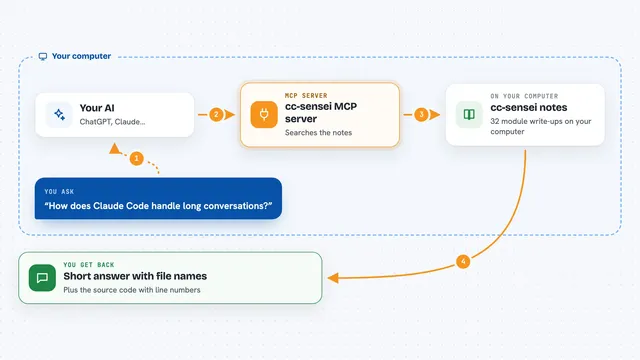
You ask your AI about an error or a country rule. Your AI sends that question to this helper. The helper looks it up in a library of over two thousand known cases, each with a list of fixes that fail and fixes that work, plus success rates. Your AI then tells you what not to try and what to try instead. For country topics, it also knows the right answer for that specific country.
 Click to zoom
What you can do with it
- Look up a code error and see which fixes usually fail
- Get working workarounds with success rates for that error
- Check country-specific rules like visa or banking requirements
- Search across all covered topics by keyword
- See all dead ends for one country in a single list
- Report back whether a suggested fix actually worked
- Follow a chain of related errors that often happen together
Try asking your AI
- “I got ModuleNotFoundError: No module named torch, what should I try?”
- “My Docker container says no space left on device, what are the known dead ends?”
- “I am traveling to Japan, what are common mistakes about tipping and chopsticks?”
- “What visa rules should I know before visiting South Korea as a tourist?”
What it gives back to you
You get back a short, clear answer in the chat. It lists the dead ends to avoid, each with a rough failure rate, and the workarounds to try, each with a rough success rate. For country questions, it gives the rule that applies in that country. You can also ask for a list of all entries for one country or one topic.
Before you start
What you need
- Python installed if you run it on your own computer
- The Claude desktop app or another tool that supports MCP servers
- Nothing extra if you use the hosted version at deadends.dev/mcp
Good to know
The advice is a helpful guide, not official law or vendor documentation, so double-check anything high-stakes like visas, legal rules, or production changes against the official source.
Install it with your AI
Add deadends.dev MCP server to your AI, no technical skills needed
You don't install anything by hand. You copy one prompt, paste it into an AI that can work on your computer, and it checks, installs and connects the server for you, asking you when it needs something.
Sign in to get the install prompt
Members get a ready-made prompt that lets the Claude desktop app check deadends.dev MCP server, install it and connect it for them, step by step. You don't need any technical skills: you copy, paste and answer a few questions. Your connected AI can also find and install any of the 4,361 MCP servers here for you.
Who it's for
Developers stuck on errors, and anyone who travels or works across countries and wants advice that fits the local rules.