MCP server · Developer tools
CheckYourself MCP server
by KyaniteLabs
Have your AI run a local pre-launch check on your app and hand you a scored report with fixes.

CheckYourself is a free, open-source helper you put next to your app project. It makes your AI assistant act like a careful reviewer before you launch, looking for things like missing login checks, leaked passwords, and missing backups. It is handy for anyone building an app with AI tools, even if you are just starting out.
What is an MCP server? The 30-second version
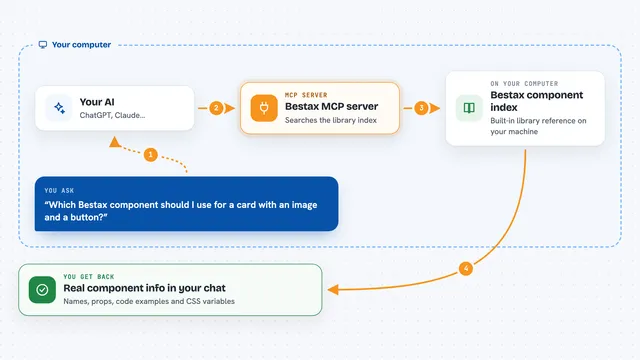
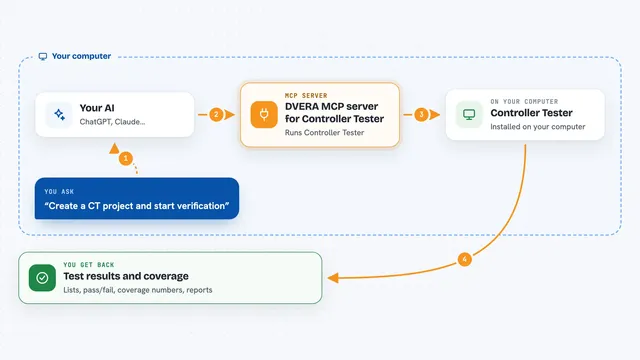
On its own, your AI can only chat with you. An MCP server is a small helper program that gives your AI a new skill or a connection to something else. This one connects your AI to CheckYourself, which lives in a folder on your own computer. So when you ask your AI to check your app, it can actually read the project files and run the check for you.
What this MCP server does
You point your AI assistant at the checkyourself folder and ask it to look at your app. The AI reads your project files and runs a read-only check, which means it only looks and does not change anything yet. It writes down what it found, what it could not test, and what looks risky. You get back a report with a score from 0 to 100 and a list of problems. Then you can approve fixes one small batch at a time, and the AI checks again after each batch.
 Click to zoom
What you can do with it
- Run a read-only check on your app before you launch
- See a score from 0 to 100 based on what was actually found
- Get a full list of risks, not just the top three
- Approve fixes in small, safe batches
- Recheck and rescore after each round of fixes
- Get a learning plan based on the gaps in your own project
- Ask for a visual dashboard of the results
Try asking your AI
- “Use the checkyourself folder as your operating context and run a read-only diagnostic on my app.”
- “What is my Production Reality Score and what are the biggest risks?”
- “Show me the full findings register and the remediation backlog.”
- “After the diagnostic, create a learning plan based on the gaps you found.”
What it gives back to you
You get a Production Reality Report in plain English. It includes a project map, the stack it detected, a score from 0 to 100, a coverage sweep, a full list of findings, and a backlog of fixes. It also shows which items are still unknown or untested, and it can write a learning plan for you. If you ask for it, you can also get a single HTML dashboard that shows everything in one page.
Before you start
What you need
- The checkyourself folder downloaded or cloned
- An AI assistant that can read files, like Cursor, Claude, ChatGPT, or Gemini
- Python 3 if you want to use the optional command line tool
- Node.js if you want to install the npm package
Good to know
The score is evidence from a local check, not a guarantee that your app is safe to launch, and the fix loop can change your project files once you approve a batch.
Install it with your AI
Add CheckYourself MCP server to your AI, no technical skills needed
You don't install anything by hand. You copy one prompt, paste it into an AI that can work on your computer, and it checks, installs and connects the server for you, asking you when it needs something.
Sign in to get the install prompt
Members get a ready-made prompt that lets the Claude desktop app check CheckYourself MCP server, install it and connect it for them, step by step. You don't need any technical skills: you copy, paste and answer a few questions. Your connected AI can also find and install any of the 4,361 MCP servers here for you.
Who it's for
People who build apps with AI assistants, including beginners, indie makers, freelancers, and small teams getting ready to launch.