MCP server · Developer tools
AIDA MCP server
by LWTlong
Lets your AI tidy up your project's AI rules, remember decisions, and show you what AI assets you have.

AIDA is a helper for teams who use AI coding tools like Claude Code, Cursor, or Codex. It looks at the instruction files and rules you have scattered around your project, finds the messy or duplicated ones, and helps keep them clean. It also writes down why certain code choices were made, so your AI can remember them later.
What is an MCP server? The 30-second version
On its own, your AI can only chat with you. An MCP server is a small helper program that gives your AI a new skill or a connection to something, in this case to your project's AI rule files and decision notes. Once AIDA is connected, your AI can scan those files, suggest cleanups, and save notes about your project when you ask. You stay in charge: AIDA asks before it changes anything, and you can undo the last change.
What this MCP server does
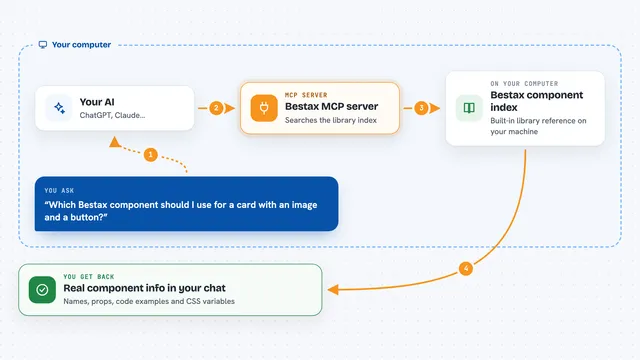
You ask your AI to look at your project's AI rules, or to remember a decision you just made. The AI uses AIDA behind the scenes. AIDA scans folders like .claude/rules and .cursor/rules, finds duplicates, conflicts, or stale rules, and reports back. If you agree, it applies the cleanup in one batch and keeps a journal so you can roll it back. It can also write a short decision note in MADR format so Claude Code loads it automatically next time.
 Click to zoom
What you can do with it
- Scan your project for all AI rules, skills, and decisions
- Find duplicate, conflicting, or outdated rules across Claude, Cursor, and Codex
- Apply a cleanup in one batch and undo it if you change your mind
- Record why a piece of code was written a certain way as a decision note
- Pull decisions out of a branch's changes in one go
- Sync rules from one tool to another (Claude to Cursor, for example)
- Open a local dashboard that shows all your AI assets on one screen
Try asking your AI
- “Scan my project and tell me which AI rules look duplicated or outdated”
- “Clean up the conflicting rules you found, but show me the plan first”
- “Remember this decision: we chose Postgres over SQLite because of concurrent writes”
- “Pull the decisions out of my current branch and save them as notes”
What it gives back to you
You get back a list or summary in the chat: which rules were found, which look duplicated or conflicting, and what AIDA suggests doing. If you approve a cleanup, it tells you what it changed and keeps a journal entry you can undo. Decision notes show up as short written records saved into your project. The dashboard gives you a one-screen overview of rules, skills, decisions, MCP config, and plugins.
Before you start
What you need
- Node.js installed on your computer
- A project folder that uses Claude Code, Cursor, or Codex
- For the plugin route: the Claude Code app
Good to know
AIDA can create, change, and delete rule files in your project, so review its plan before approving, and use the undo option if something looks wrong.
Install it with your AI
Add AIDA MCP server to your AI, no technical skills needed
You don't install anything by hand. You copy one prompt, paste it into an AI that can work on your computer, and it checks, installs and connects the server for you, asking you when it needs something.
Sign in to get the install prompt
Members get a ready-made prompt that lets the Claude desktop app check AIDA MCP server, install it and connect it for them, step by step. You don't need any technical skills: you copy, paste and answer a few questions. Your connected AI can also find and install any of the 4,609 MCP servers here for you.
Who it's for
Developers and small teams who use AI coding tools and want to keep their AI rules and decision notes organized.