MCP server · Research
HEORAgent MCP server
by neptun2000
Let your AI search medical literature, check study quality, and draft health economics reports for you.
This is a helper that gives your AI assistant a set of skills for health economics and outcomes research, often shortened to HEOR. It can search medical literature, look at how trustworthy a study is, run cost-effectiveness calculations, and help put together the kind of reports that health authorities ask for. It is made for people working in pharma, biotech, research companies, and medical affairs teams.
What is an MCP server? The 30-second version
On its own, your AI can only chat with you using what it already learned. An MCP server is a small helper program that gives your AI a new skill or a connection to a service. This one connects your AI to HEORAgent, a toolset for health economics research. Once it is set up, you can ask your AI a research question and it will quietly use this helper to search sources, run calculations, or draft a report for you.
What this MCP server does
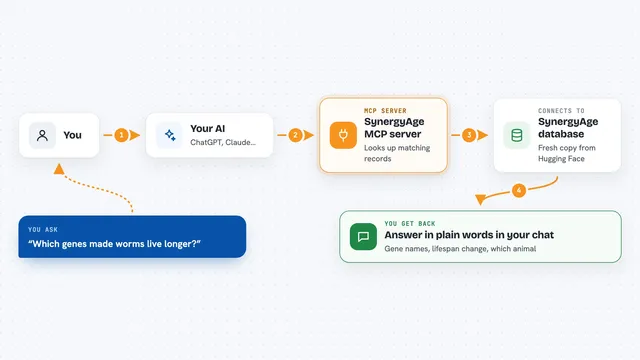
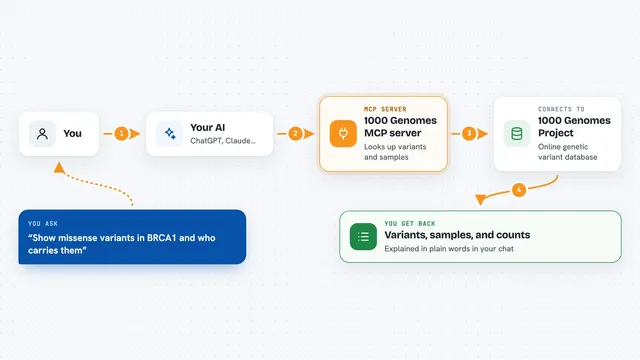
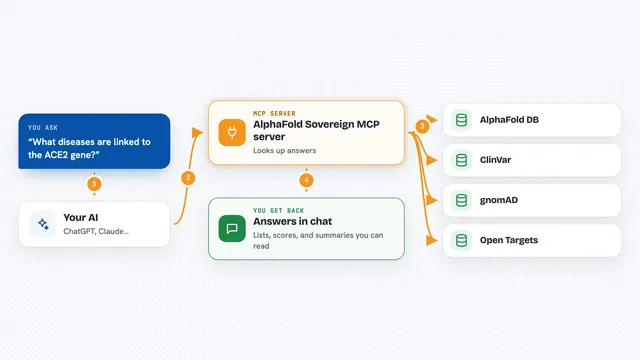
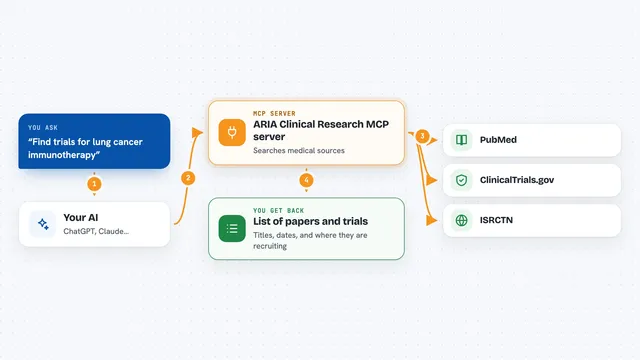
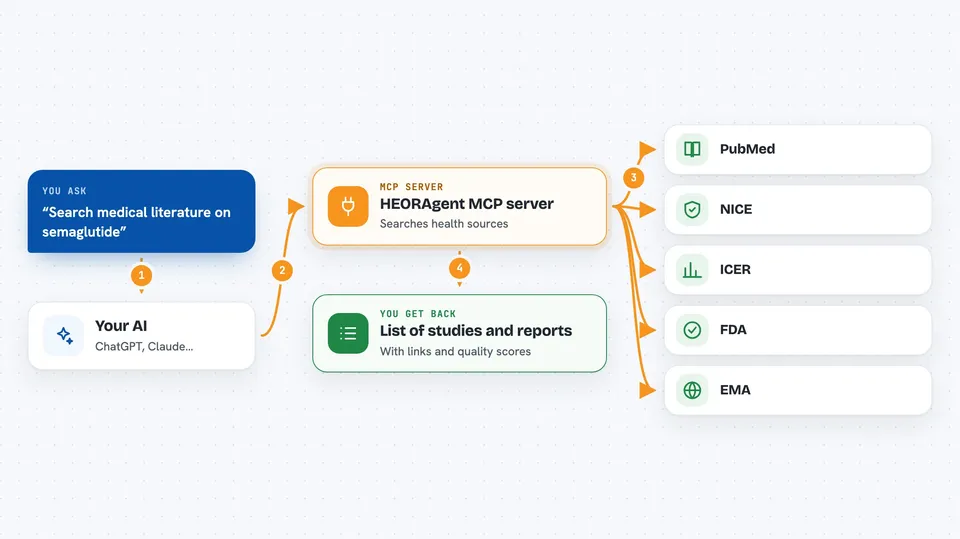
You type a request in plain language, like asking for a literature search on a drug. Your AI passes that request to this helper program. The helper then searches across many medical and health authority sources, or runs a cost-effectiveness model, or checks the quality of studies. It sends the results back, and your AI shows them to you in the chat as a list, a table, or a draft document. You can also keep a project folder so results are saved and easy to find later.
 Click to zoom
What you can do with it
- Search 44 medical and health authority sources at once, with an audit trail
- Score study abstracts for relevance and classify their design
- Assess risk of bias in studies using standard Cochrane tools
- Run cost-effectiveness and budget impact models
- Draft HTA submission sections for NICE, EMA, FDA, IQWiG, HAS, and EU JCA
- Estimate the impact of EQ-5D value sets on results
- Save findings into a searchable project knowledge base
Try asking your AI
- “Run a literature search for semaglutide cost-effectiveness in type 2 diabetes using PubMed, NICE TAs, and ICER reports”
- “Assess the risk of bias for this randomized trial abstract”
- “Run a cost-effectiveness model comparing semaglutide to sitagliptin for type 2 diabetes over a lifetime”
- “Draft an HTA dossier section for NICE on this treatment”
What it gives back to you
You get back things like lists of studies with links, tables of results, quality scores, cost-effectiveness numbers, or a draft document you can copy. Some tools return a structured summary you can pass to the next step, like feeding a risk-of-bias result into a dossier draft. Results appear right in your chat, and if you use a project, they are also saved to a folder on your computer.
Before you start
What you need
- Node.js version 20 or newer installed on your computer
- An MCP-compatible app like Claude Desktop, Claude Code, Cursor, Continue, or Cline
- No API keys needed for the basic literature search tools
Good to know
Some tools run calculations and draft reports that should be reviewed by a qualified professional before use in real submissions.
Install it with your AI
Add HEORAgent MCP server to your AI, no technical skills needed
You don't install anything by hand. You copy one prompt, paste it into an AI that can work on your computer, and it checks, installs and connects the server for you, asking you when it needs something.
Sign in to get the install prompt
Members get a ready-made prompt that lets the Claude desktop app check HEORAgent MCP server, install it and connect it for them, step by step. You don't need any technical skills: you copy, paste and answer a few questions. Your connected AI can also find and install any of the 4,609 MCP servers here for you.
Who it's for
People in pharmaceutical, biotech, contract research, and medical affairs teams who do health economics and outcomes research and want help with literature reviews, modelling, and submissions.