
Learning path
Learning AI as a Medical Writer
Learn how to use AI to handle routine parts of medical writing, from summarizing literature to checking compliance. This path gives you setup help, prompt lessons, and video courses chosen for your job.

Your path
Everything in the Medical Writer AI kit, in the order that makes sense. Members tick off each step and see their progress.
Set up your AI
We guide you through each click.
Let skills do your everyday tasks
Connect your apps and pick your AI apps
Hand whole tasks to AI agents
Build your own tools
Keep growing
Everything for medical writers
All the courses, certifications, AI tools, MCP servers and apps for medical writers, most relevant first. Open any list to see more.
Take the prompt courses
A short framework course to learn how to ask, then 8 lessons with ready-to-use prompts for medical writers.
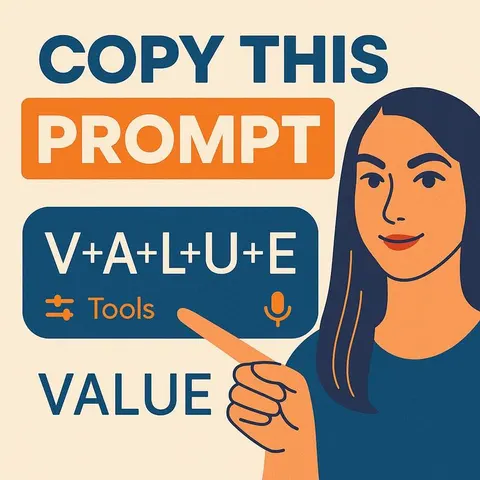
Start with this framework: how to talk to AI
For medical writers, TIDD-EC separates required steps from prohibited claims so you can draft a clinical study report with precise compliance.
Then your prompt course for medical writers- 1Summarizing Scientific Literature3 prompts
- 2Drafting Clinical Study Reports3 prompts
- 3Regulatory Submission Documents3 prompts
- 4Patient Education Materials3 prompts
- 5Editing Medical Manuscripts5 prompts
- 6Compliance And Reference Checks3 prompts
- 7Expert Collaboration And Version Control3 prompts
- 8Advanced Data And Learning3 prompts
Watch the video courses or add them to your Favorites for later
95 video courses our AI picked for medical writers, most useful first. Save the ones you want to watch later with the heart.
Favorites are saved to your account: sign in or get your AI kit first.
Show all 95 video courses
Get certified, or add certifications to your Favorites
Every course ends in an exam and a certificate you can add to LinkedIn. Save the certifications you are aiming for with the heart.
Favorites are saved to your account: sign in or get your AI kit first.
More certifications for medical writersShow all 24 certifications
Try the AI tools for medical writers
24 AI tools our AI matched to the work of medical writers, best fit first. Each review shows what it does, its alternatives and the jobs it suits.
Favorites are saved to your account: sign in or get your AI kit first.
Show all 24 AI tools
Connect your AI to the apps medical writers use
MCP servers let ChatGPT, Claude or Copilot look things up and get work done in other apps, like your email, calendar or bookkeeping software. These 12 fit the work of medical writers best, well-known apps first.

PubMed Search MCP Server
by pubsproLet your AI search medical research papers on PubMed and give you plain-English summaries.

Google Scholar MCP server
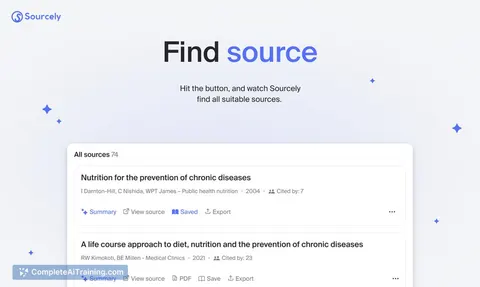
by HasDataLets your AI search Google Scholar and pull ready-made citations for papers you find.
ResearchNo install
KitchenSink4Word MCP server
by nometalalchemistLet your AI edit real Word documents: text, tables, tracked changes, citations and more.

OfficeAgent MCP server
by ilia-sokolovLet your AI edit Word, PowerPoint and Excel files, with changes you can review before saving.
Productivity Official
Web Researcher MCP server
by zoharbabinLets your AI search trusted sites, read full articles, and give you real, clickable sources.
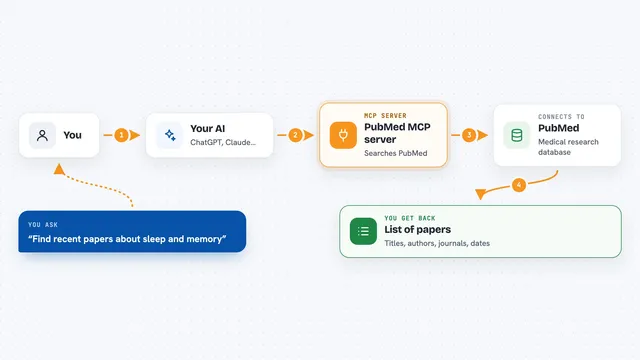
PubMed MCP server
by andybrandtLets your AI search medical and life sciences papers on PubMed and read their abstracts and full text.
Show all 12 MCP servers

NCBI PubMed MCP server
by vitorpavinatoSearch PubMed's millions of research articles and get summaries, authors, and related papers through your AI.

Google Custom Search MCP server
by A1-x-TechLets your AI search the web and images through your own Google Programmable Search Engine.

Bing Search MCP server
by leehanchungLets your AI search the web, news, and images through Microsoft Bing while you chat.

Scholar MCP server
by Liyux3Your AI can search academic papers, read them, map citations, and save them into a personal library.

Tech Trend MCP server
by salwksYour AI can gather fresh research papers, trending code, and FDA device news, then write you a short newspaper-style briefing.

Word document MCP server
by SecurityRoninLet your AI open, edit, and review Word files, with changes shown as tracked revisions.
Build your own AI apps for medical writers
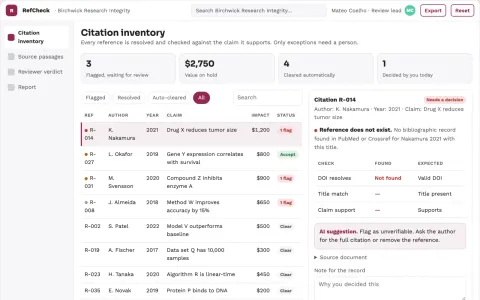
Apps you build yourself with your own AI, no coding needed and no monthly fee. Our AI picked the 2 that fit the work of medical writers.































About this learning path
6 topicsA Learning Path for Medical Writers Using AI
AI can help medical writers handle the slow, repetitive parts of the job. You still bring the scientific judgment, but AI can draft, summarize, and check so you can focus on the thinking.
This learning path walks you through setting up your AI, connecting it to your work, and using prompts made for medical writing. You also get video courses picked for your role and the certifications that come with them.
Why AI Matters Now
Medical writing is changing. Teams are asked to do more in less time, with the same high standards. AI can help you keep up without cutting corners. It handles the first pass so you can focus on accuracy and clarity.
What The Path Includes
The path starts with setup questions to choose the right AI tool for your work. Then you connect your AI and learn skills for your job inside it. You get this prompt course, plus video courses selected for medical writers and the certifications of those courses.
How It Saves Time
AI can summarize a stack of scientific papers in minutes. It can draft sections of a clinical study report from your source notes. It can check your document against regulatory requirements. You spend less time on the first draft and more on the final review.
How It Protects Your Career
Medical writers who use AI well are in demand. They can take on more complex projects and deliver them faster. This path helps you build those skills so you stay valuable and ready for what comes next.
How To Start
Begin with the setup questions to get your AI ready. Then work through the prompt course at your own pace. Try one prompt on a real task this week. Small steps add up.
Frequently asked questions
Do I need technical skills to use AI for medical writing?
No. The path is designed for non-technical professionals. You will learn simple steps to set up and use AI tools without any coding.How long does the learning path take?
Most people finish in a few weeks if they spend a little time each day. You can go at your own pace and revisit lessons whenever you need.Will AI replace medical writers?
AI is a tool that helps you work faster and better, but it does not replace your scientific judgment. Your expertise is still needed to review and refine every document.Is my data safe when I use AI?
You will learn how to use AI safely and protect sensitive information. The course covers privacy and compliance for medical writing, so you can use AI with confidence.