
AI news ·
Adaptive Innovations raises $60 million to expand AI-powered home health services
Adaptive Innovations raised $60 million to expand its AI-driven home health operations, which automate scheduling, billing, and documentation. The company reports a 4.9% rehospitalization rate against a 12.9% industry average since launching in 2025.
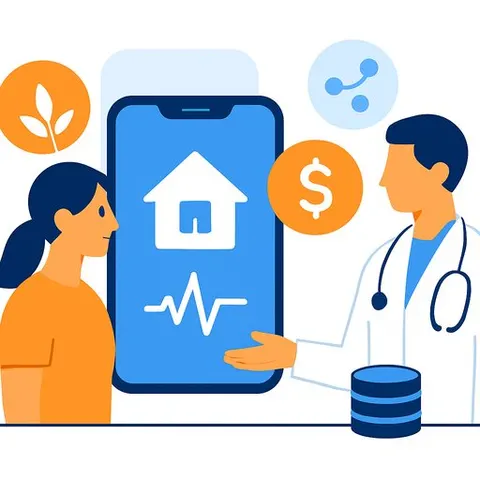
Adaptive Innovations Raises $60 Million for AI-Powered Home Health Operations
Adaptive Innovations, a home health provider built around AI operations, closed a $60 million funding round led by Felicis and Bain Capital Ventures. The Series A raised $50 million, adding to a $10 million seed round announced earlier.
The company targets a specific inefficiency in home health: administrative overhead. Coordination costs-intake, scheduling, documentation, billing, compliance-consume $0.60 to $0.90 for every dollar spent on clinical labor. That burden leads to roughly $40 billion in home health referrals being rejected annually, according to Adaptive's analysis.
Since launching in 2025, Adaptive has delivered over 100,000 patient visits and partnered with more than 500 referring healthcare organizations, including every major hospital system in Texas. The company reports rehospitalization rates of 4.9%, compared with a 12.9% industry average. Clinicians using the platform spend approximately 80% less time on documentation.
The company plans to expand its workforce and enter additional states with the new capital. Adaptive's team includes engineers and operators from Scale AI, Palantir, Jane Street, and the U.S. Army Rangers, with operations in New York City and Dallas.
How the Model Works
Adaptive combines AI agents and automation for operational tasks with in-home clinical care delivered by licensed providers. The AI handles the coordination layer-the administrative work that prevents traditional providers from accepting referrals-while clinicians focus on patient care.
Co-founder Alex Wendland framed the problem directly: "Care can't be delivered through a screen. Real care requires a skilled clinician, in person, in the patient's home. Everything that surrounds that visit is coordination overhead."
The funding round included participation from Optum Ventures, Sunflower Capital, Conviction, BoxGroup, SV Angels, Dorm Room Fund, and Constellation, along with healthcare and AI industry angels.
For healthcare professionals evaluating operational tools, understanding how AI for healthcare addresses specific cost structures-rather than just clinical outcomes-reveals where automation creates real capacity to serve more patients.