
AI news ·
Adore Beauty cuts 40 jobs during AI push
Adore Beauty cut 40 jobs as it accelerates its AI push. Insiders say morale is now low after the quiet redundancies.
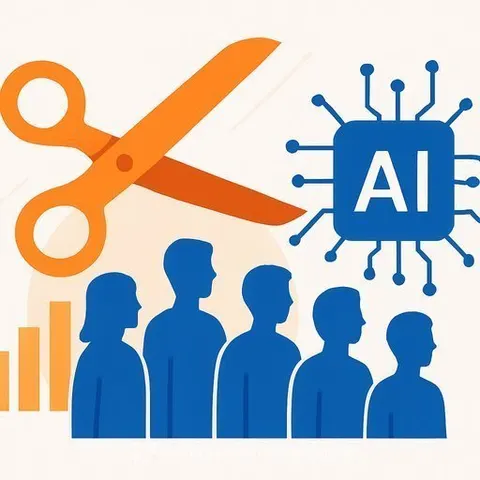
Adore Beauty, the ASX-listed online cosmetics retailer, has cut 40 jobs as it accelerates an artificial intelligence drive. Insiders told reporters that the redundancies happened quietly, with morale inside the company now described as low.
Details of the cuts
The reduction affects dozens of roles across the business. Staff learned of the changes through a round of internal announcements that multiple sources described as abrupt. Adore Beauty has not publicly disclosed the specific departments hit hardest, but the cuts coincide with a stated push to embed more AI across operations.
An ASX-listed company since 2020, Adore Beauty employs several hundred people. A reduction of 40 positions represents a notable headcount shift for a retailer of its size, and it arrives as many e-commerce firms examine where automation can replace routine tasks.
AI investment meets workforce reality
The company's leadership has been clear that artificial intelligence is central to its next phase of growth. Recent investor updates have pointed to AI tools for product recommendations, customer service workflows, and logistics optimisation. What those presentations did not detail was the parallel reduction in human roles.
For HR professionals watching the retail and tech sectors, the Adore Beauty situation illustrates a pattern that is repeating across industries. Organisations announce AI efficiency gains, then restructure teams weeks or months later. The link between the two can feel opaque to employees, which erodes trust.
Morale and the cost of quiet restructuring
"Adore Beauty insiders say morale is low," the source material states. When workforce changes happen without clear communication about how AI alters job design, remaining staff often carry heavier loads while wondering about their own security. Uncertainty, rather than the technology itself, becomes the drag on engagement.
For HR functions, this is a familiar danger. Even well-planned restructuring can dent productivity if the human side of change management is neglected. The fact that the cuts were described as quiet suggests a deliberate attempt to avoid public scrutiny, but that approach rarely shields internal culture from damage.
Why this matters for human resources
Adore Beauty's move highlights the tension between strategic AI adoption and workforce stability. HR leaders should watch this case for how quickly the narrative shifts from growth investment to headcount contraction - and how employee sentiment reacts. Monitoring real-world examples helps teams map their own risk areas when similar initiatives are proposed.
Building internal capability is critical. HR managers who understand the mechanics and timing of AI deployment can design severance, redeployment, and communication plans that reduce long-term cultural harm. Structured learning like an AI Learning Path for HR Managers can equip people leaders to handle restructuring decisions more transparently. Tracking patterns across sectors through resources tagged AI for Human Resources also helps teams anticipate where friction points will emerge before the next restructure is even announced.