
AI news ·
AI professionalises employment recruiters, PwC report finds
A global analysis of one billion job ads reveals a two-track AI labour market. Professionalised roles see 42% faster salary growth since 2022.
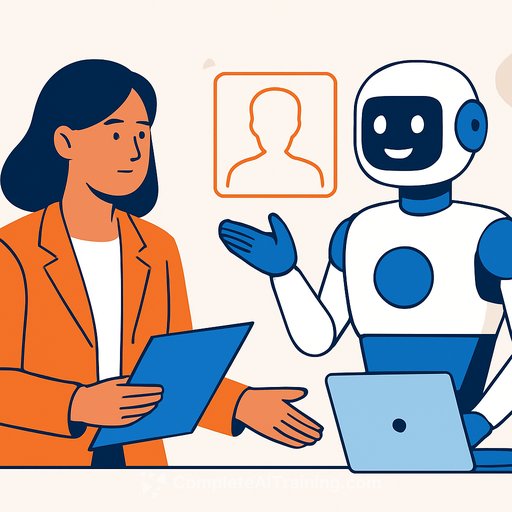
A global analysis of over one billion job advertisements reveals AI is splitting the labour market into two tracks-one that elevates human expertise and another that reduces it. Employment recruiters sit squarely on the side gaining higher pay and more complex work, according to PwC's 2026 Global AI Jobs Barometer.
The report identifies a "two track labour market" where some jobs become professionalised as AI automates routine tasks, leaving people to focus on judgment, creativity, and negotiation. Others are democratised, with AI absorbing the complex parts of a role and lowering the skill floor for the humans who remain. Recruiters offer a clear example of the first group: AI now screens CVs automatically, freeing recruiters for higher-stakes work like contract negotiation and candidate engagement.
For recruitment teams, that shift is already underway. CV screening automation lets recruiters concentrate on strategic talent decisions-a transition mapped out in the AI Learning Path for Recruitment Coordinators. In contrast, jobs like inventory clerk become democratised: AI handles inventory management, leaving people with simpler tasks such as moving stock in warehouses.
The growing salary divide
Professionalised roles are pulling ahead on pay, job numbers, and skill demand. The pay gap is widening, with professionalised roles seeing 42% faster salary growth relative to democratised roles since 2022. These positions also require more additional skills and are experiencing larger increases in demand. Across the world, 52% of jobs are being democratised while only 22% are professionalised, yet the professionalised minority is capturing disproportionate rewards.
"The companies seeing the greatest returns on AI are using it to amplify human expertise, accelerate innovation, and create entirely new sources of value," said Joe Atkinson, Global Chief AI Officer at PwC. "As a result, they are pulling further ahead on productivity and growth than companies that focus primarily on automation."
The report notes that roles once expected to be devalued by AI-such as air traffic controllers and marketing managers-may soon see growing demand, wages, and skill requirements. It urges business leaders to move beyond fear of automation and instead examine how AI reshapes the value workers can deliver, reinvesting in skills like empathy, judgement, and creativity alongside AI capabilities.
Why this matters for HR professionals
HR leaders must now assess exactly how AI redefines the expertise their recruitment teams need. Simply adopting automation isn't a competitive advantage; amplifying recruiters' strategic capabilities is. Resources such as AI for Human Resources can help you align talent investment and skills development with these market shifts, ensuring your teams gain the pay and influence that come with professionalised roles, not the erosion of value that hits democratised ones.