
AI news ·
Australia warns of 600,000 AI-linked job losses as government urges employers to upskill staff
Australia's government warns up to 600,000 jobs face AI-related losses, about 4% of the workforce. Employment Minister Amanda Rishworth is urging businesses to retrain staff rather than replace them.
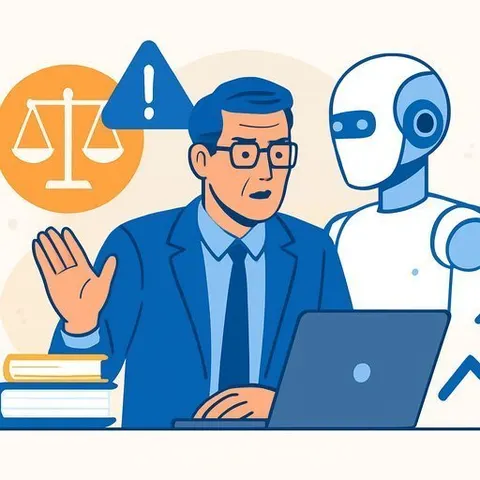
Government Pushes Employers to Upskill Staff as AI Job Losses Loom
Australia's government is urging businesses to retrain existing employees rather than replace them as artificial intelligence adoption threatens hundreds of thousands of jobs. Employment Minister Amanda Rishworth made the call this week at the Australian Financial Review Workplace Summit, where officials warned job losses could reach 600,000 workers.
Danielle Wood, chair of the Productivity Commission, told the summit that AI-related job losses are expected to affect about 4% of Australia's 14.8 million employees. However, more than 30% of workers will see their roles enhanced by AI tools rather than eliminated.
Barney Glover, Commissioner of Jobs and Skills Australia, cautioned that actual figures could be worse. "I think we'll see higher than four per cent in automation, and we'll see higher than 30% in augmentation," he said. The pace of change is accelerating - data from six months ago may already be outdated.
What HR Leaders Need to Do
Rishworth told employers they bear responsibility for training their current workforce. "Businesses therefore have a responsibility to upskill their current employees, instead of replacing them with workers who already have skills and confidence in using AI," she said.
The minister highlighted real anxiety in the workforce about displacement. She called on employers to involve workers directly in AI adoption decisions and demonstrate how the technology will benefit them, not threaten their jobs.
On-the-job training and dedicated resources are essential. Workers need to see that AI-generated roles will offer secure, well-paid employment - and that their employer views them as adaptable, not expendable.
Company workforce planning should be done in partnership with employees, not imposed on them. This approach builds the trust that Rishworth said is critical to successful AI adoption.
Current Labor Market Signals
Early data offers some reassurance. Employment outcomes for young tertiary graduates have remained positive since ChatGPT launched in November 2022. The overall job mix in the economy is not shifting faster than historical norms.
Occupations most exposed to AI are beginning to show slightly softer growth rates, but widespread labor market disruption has not yet materialized. Glover noted that finance and tech sectors have experienced noticeable redundancies, but the effect across the broader economy remains limited.
The government is building systems to track these changes. Rishworth said her department will soon release a detailed report on labor market data and trends.
For HR professionals, the message is clear: upskilling is now a business imperative, not an optional initiative. Learn more about AI for Human Resources or explore the AI Learning Path for CHROs to understand how to lead this transition in your organization.