
AI news ·
Figure AI's F.03 robot sorts 250,000 packages in 200-hour warehouse test
Figure AI's F.03 robot sorted 250,000 packages over 200 hours at near-human speed in a real warehouse. The test signals that humanoid robots are moving from labs into commercial logistics operations.
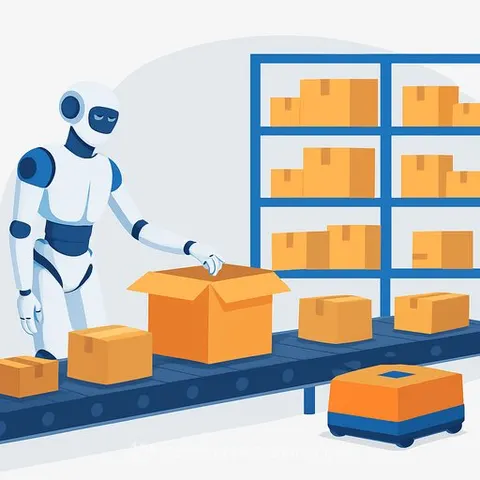
Figure AI's Humanoid Robot Completes Major Warehouse Test, Sorting 250,000 Packages
Figure AI's F.03 humanoid robot sorted nearly 250,000 packages over 200 continuous hours of operation at near-human speed, according to reports. The test represents one of the most ambitious real-world robotics deployments in warehouse logistics to date.
The milestone matters because it moves humanoid robots from controlled lab environments into actual commercial operations. Previous demonstrations typically occurred under highly controlled conditions. This test focused on endurance, speed, and consistency in a realistic warehouse setting.
Why HR Professionals Should Pay Attention
Warehouse and logistics roles face significant automation pressure. Figure's success signals that humanoid robots may soon handle repetitive tasks at scale-a development that affects workforce planning across supply chain operations.
The logistics industry already struggles with labor challenges: rising costs, worker shortages, faster delivery demands, and e-commerce growth. Robots operating at near-human speed make automation economically attractive for companies seeking to reduce operational expenses.
For HR leaders, this means preparing for potential workforce transitions. Warehouse jobs-particularly those involving repetitive movement and predictable workflows-face the highest automation risk.
The Competitive Pressure
Multiple companies are racing to commercialize humanoid robots for industrial use. Competition spans manufacturing, warehousing, retail, logistics, healthcare, and construction. Figure AI positions itself by building machines that work in spaces already designed for humans, rather than requiring infrastructure redesign.
This approach differs from traditional industrial robots, which often demand specialized factory environments. Humanoid systems potentially integrate into existing workplaces more easily.
Human Workers Still Have Advantages
Robots currently outperform humans only in specific areas: repetitive tasks, speed, and endurance. Humans remain superior at adaptability, complex problem-solving, judgment calls, and handling unpredictable situations.
Many companies will likely deploy robots for support tasks rather than complete workforce replacement, at least initially. This suggests a hybrid model where humans and machines work alongside each other.
Regulatory and Safety Questions Ahead
As humanoid robots enter commercial workplaces, new questions emerge around workplace safety, liability, labor laws, and AI oversight. Current regulatory frameworks don't address human-machine interaction in shared industrial spaces.
Governments and businesses may need to develop entirely new standards as autonomous robotics expands. HR departments should anticipate involvement in safety protocols and policy development.
What This Means for Your Organization
If your company operates or plans to operate warehouses or logistics facilities, automation timelines are accelerating. Consider now how your organization will manage workforce transitions, retrain affected employees, and adapt hiring strategies.
Understanding AI Agents & Automation helps HR leaders anticipate operational changes and plan accordingly. For operations-focused roles, an AI Learning Path for Operations Managers provides frameworks for managing teams through automation transitions.
The shift toward humanoid robotics is no longer theoretical. It's becoming a real operational reality that will reshape how companies staff, train, and organize warehouse and logistics work over the next few years.