
AI news ·
Black women face rising unemployment as AI restructuring and DEI rollbacks reshape the workforce
Black women's unemployment hit 7.3% in 2026, more than double the 3.7% rate for white women. AI automation is eliminating jobs where Black women are concentrated, while DEI program cuts remove hiring protections.
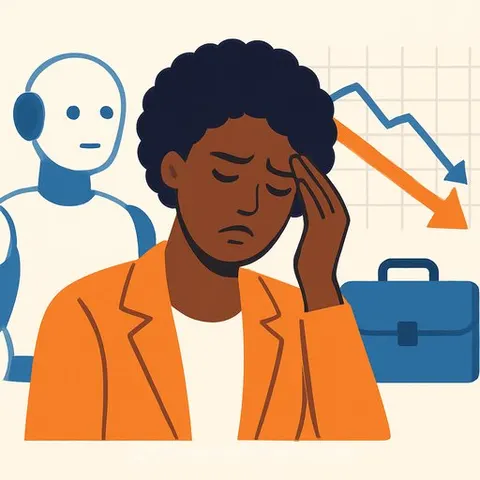
Black Women Face Steeper Job Losses as AI Integration and DEI Cuts Accelerate
Black women's unemployment reached 7.3% in 2026, more than double the 3.7% rate for white women, according to analysis by the Feminist Majority Foundation. The gap has widened since April 2025, when Black women's joblessness stood at 6.4% against 3.8% for white women.
The disparity reflects two simultaneous workplace shifts: companies are automating roles that historically employed large numbers of Black women, while dismantling the diversity programs that helped address hiring and advancement inequities.
Which Jobs Are Most at Risk
Administrative support, human resources, training coordination, and customer-facing operations face the heaviest AI-driven restructuring. Black women make up a significant portion of the workforce in these categories.
At the same time, executive orders eliminating federal DEI initiatives and contractor diversity requirements have removed protections and advancement pathways that previously helped counter hiring and retention disparities.
The federal government illustrates the trend. Black women represent 12.1% of the federal workforce despite making up just 6.6% of the civilian labor force. As DEI-related offices face cuts, they are being laid off at disproportionate rates.
Education Has Not Protected Against Job Loss
Black women earned 70% of all master's degrees awarded to Black students during the 2020-2021 academic year, according to the National Center for Education Statistics. Yet educational attainment has not translated to economic security.
Black women earn 65 cents for every dollar earned by white, non-Hispanic men. Black mothers earn even less.
The unemployment crisis extends beyond job loss. Experts at the Joint Center for Political and Economic Studies describe Black women as "economic bellwethers"-their employment trends often signal broader economic instability ahead.
What This Means for HR Leaders
HR professionals face a critical choice as AI reshapes workforce operations. Automation decisions that appear neutral in design often produce disparate outcomes across demographic groups. AI for Human Resources tools require deliberate oversight to prevent recreating historical inequities through algorithmic means.
The rollback of DEI structures removes institutional checks on hiring, promotion, and retention decisions. Without active monitoring, AI systems can amplify existing biases rather than reduce them.
For HR executives overseeing these transitions, understanding AI's workforce impact includes recognizing which groups face the greatest vulnerability during technological change-and building safeguards accordingly.
The data raises a fundamental question: As AI reshapes work, who remains protected during economic transformation, and who gets left behind?