
AI news ·
Chinese gaming firm builds AI clone of former employee, sparking debate over data rights and worker consent
A Chinese gaming firm built an AI clone of a former HR employee without her explicit consent, sparking debate over worker data rights. Legal experts warn the practice may violate China's data protection laws.
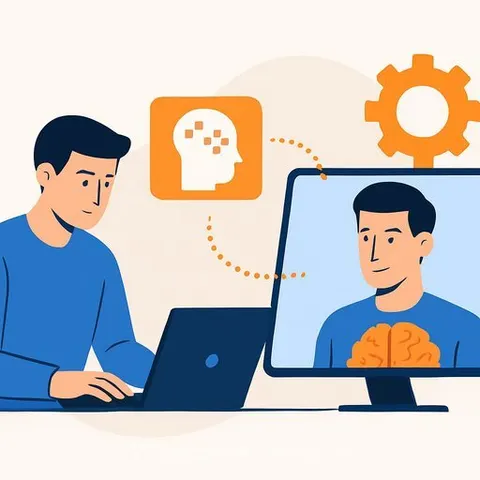
Chinese Gaming Firm Creates AI Clone of Employee, Raising Data and Consent Questions
A Chinese gaming company has created an artificial intelligence "employee" modeled on a former human resources specialist, triggering debate over worker data rights and whether companies can profit from employees' accumulated knowledge without explicit compensation.
The AI system, based on a former employee known as "Xiao Yu," performs basic workplace tasks including offering advice, sending meeting invitations, and generating presentations and spreadsheets. The company described it as a limited experimental tool not yet practical for real working conditions.
The creation sparked significant backlash on Chinese social media. Critics said the project treats employees as "functional modules" that can be copied and raises questions about whether companies should compensate workers for ongoing commercial use of their professional traits, communication patterns, and work outputs.
Legal and Consent Issues
Legal experts in China warned that employee data - including chat messages, emails, and work habits - qualifies as personal information under data protection laws. Using such data to train AI systems without explicit, separate consent may violate those rights, they said.
The distinction matters. Even when data is created during employment, companies do not automatically gain the right to replicate a system reflecting an individual's personality or style without additional, compensated permission.
Power dynamics complicate consent in employment relationships. Workers may feel pressured to participate in such initiatives, labor researchers noted, even when nominal agreement exists.
Reputation and Accountability Risks
Errors made by a digital replica linked to a real person could damage that individual's reputation, experts warned. A digital "Xiao Yu" making mistakes in workplace interactions would still carry her name and professional identity.
The broader concern extends to data security. AI agents operating continuously and performing routine tasks could expose personal or financial information through leaks or misuse.
Practical Steps for HR Leaders
Legal experts suggested employment contract clauses requiring deletion of personal data after employment ends. Alternatively, companies could obtain separate, compensated consent for future AI use of employee data.
The case highlights a gap between what employees initially consent to and how their data may be used over time. HR teams managing AI implementation should consider whether existing consent covers the specific application being developed.
Learn more about AI for Human Resources and workforce data governance, or explore the AI Learning Path for CHROs to develop strategy around employee data and AI worker systems.