Nigerian HR Leaders Call for Ethics-First Approach to AI Adoption
The Chartered Institute of Personnel Management of Nigeria (CIPM) is pushing organizations to adopt artificial intelligence responsibly, arguing that ethics and human values must guide how the technology reshapes work.
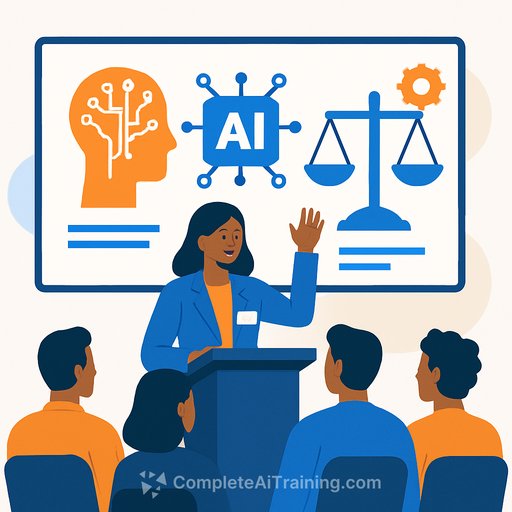
The call came at the CIPM 3rd International Academic Conference in June at the University of Lagos. The event brought together HR professionals, academics, and government officials to discuss AI's role in hiring, talent management, and organizational culture.
The People Problem With Technology
CIPM President Mallam Ahmed Ladan Gobir said the real issue isn't whether AI will change work-it will. The question is how organizations ensure that change respects human dignity and fairness.
"Algorithms do not build trust. People build trust. Machines do not create culture. People create culture," Gobir said. He warned that innovation without ethics and technology without accountability pose real risks to organizations.
His point cut through common tech rhetoric: organizations succeed because they have the right people with the right skills and values, not because they own the most advanced systems.
Africa's AI Gap Threatens Jobs
Keynote speaker Prof. Sunday Adebisi described AI as "the world's new infrastructure," but flagged serious obstacles for African countries. Inadequate digital infrastructure, ICT skills shortages, and unequal access to technology could worsen unemployment across the continent if not addressed.
Another speaker, Henry Onukuba, reframed a common fear about job displacement. "AI will not take over your job," he said. "Your job will be taken over by someone who knows how to work smarter and more effectively with AI."
He highlighted AI's potential to address real HR challenges in Nigeria, including faculty shortages in universities and unequal access to education in remote areas.
What HR Leaders Need to Do
The conference identified three priorities for responsible AI adoption:
- Build systems that are transparent and fair, not just efficient
- Strengthen collaboration between organizations, educational institutions, and government
- Ensure AI decisions protect privacy and human dignity
For HR professionals specifically, this means moving beyond vendor pitches and asking harder questions about how AI systems make hiring and promotion decisions. It means understanding what data feeds those systems and whether outcomes actually reflect merit.
The conference also signaled that this conversation is only beginning. Researchers submitted 47 abstracts on AI's impact on work, with 38 advancing to full presentation-indicating sustained academic attention to the topic.
For HR leaders looking to build AI capability in their organizations, resources like AI for Human Resources and the AI Learning Path for CHROs offer structured guidance on strategy and implementation.
The underlying message from Lagos was straightforward: AI will shape the future of work, but people will decide whether that future is fair or exploitative. The next move belongs to HR professionals.
Your membership also unlocks: