
AI news ·
HR leaders share five steps for moving AI from experimentation to measurable results
HR departments are moving past AI experimentation toward measurable returns, but success requires clean data, human oversight, and starting with low-risk tasks. A 1% error in HR can trigger compliance failures.
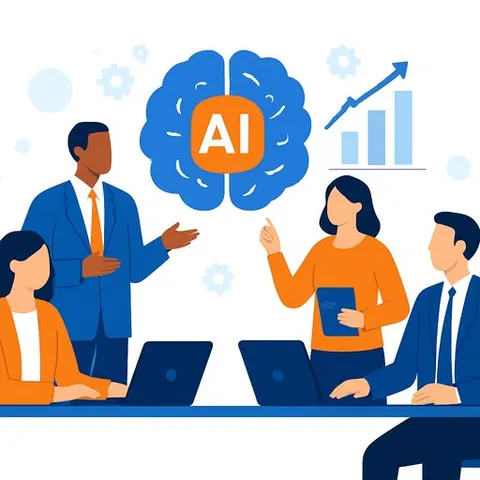
Five Steps to Move Beyond AI Hype and Deliver Real HR Results
Some companies that deployed AI to replace customer service roles have started rehiring after chatbots fell short of expectations. HR departments are taking a different path: they're moving past experimentation toward measurable returns on investment.
That shift reflects a hard truth. AI can reduce workloads and improve efficiency, but human oversight remains essential. In HR, a 1% error can create compliance risk. Handling employee health and compensation data leaves no room for mistakes.
HR is proving to be a strong testing ground for AI because of the sensitivity and volume of data involved and the need for near-perfect accuracy. Here are five approaches HR leaders have used to roll out AI tools successfully.
1. Start with data hygiene
AI produces only what its data allows. Before deploying any AI tool, conduct a thorough audit of internal data. The dataset must be complete, free of bias, and well structured.
Set data governance standards before AI deployment begins. This ensures AI output is as accurate as possible-critical in any business context, but especially in HR.
2. Train AI on internal data
AI trained on public data can help with research and routine office tasks. To generate maximum value in HR, select tools that can access and learn from data in your human resources information system.
This requires working with vendors or internal experts who understand your HRIS ecosystem. It also requires strong guardrails to prevent sensitive data from being exposed in public cloud environments.
3. Start small and focus on low-risk tasks
Attempting to overhaul your entire talent management system quickly often backfires. Instead, identify low-risk, high-friction tasks and automate them first.
Interview scheduling, policy writing, and FAQs are good starting points. An AI system can instantly search a massive knowledge base and return specific answers-work that takes humans significant time.
4. Keep humans in the decision loop
AI can analyze, summarize, audit, and recommend actions. The final decision should remain with a human.
Without human oversight, AI can inherit and scale existing biases. Major corporations have already paid substantial settlements for using recruiting systems that disproportionately disqualified older applicants and women.
5. Be transparent with employees
Employees worry about how AI might affect their jobs. Explain specifically how AI will help them work more effectively, not replace them.
For example, tell HR and IT staff how AI can vet data before loading it into third-party systems, allowing them to complete more implementations. Concrete examples reduce anxiety and build buy-in.
Patience and planning drive results
Many companies investing heavily in AI haven't seen expected returns because they treat it as a magic bullet rather than a tool requiring careful process redesign and organizational change.
Successful AI deployment requires redefining systems, processes, and organizational structures to work effectively. HR leaders who make those changes first will move past the hype cycle and start delivering measurable value.
Learn more about AI for Human Resources or explore the AI Learning Path for CHROs to develop your strategy.