
AI news ·
HR professionals prepare for religious objections to AI after papal encyclical
HR braces for religious accommodation requests after Pope's encyclical warns AI erodes human dignity. Catholic workers may soon object to AI use.
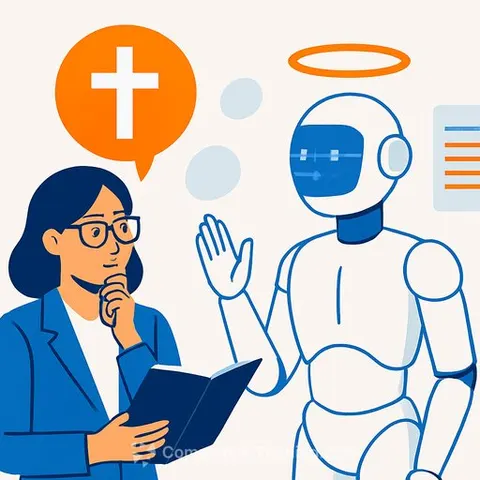
Human resource professionals are bracing for a wave of religious accommodation requests after Pope Leo XIV's encyclical Magnifica Humanitas cautioned that artificial intelligence can erode human dignity. The letter, which quickly gained widespread public attention, signals that Catholic employees may soon object to using AI tools at work.
Pope Leo's letter warns that AI expansion is driven by a technocratic mindset that threatens to measure human worth by metrics of efficiency and profit. Citing the 1891 encyclical Rerum Novarum, he stressed that "persons have a fundamental value that takes precedence over capital and profit." The document places the protection of work and workers at the center of the Church's social teaching.
The viral spread of the encyclical reflects deep public anxiety about AI's influence. For HR leaders, the anticipated rise in religious objections signals more than a compliance challenge; it calls on the profession to examine how AI adoption affects workers' rights and needs.
Balancing efficiency with human dignity
The encyclical's critique resonates with HR practitioners who understand the intrinsic value of the people doing the work. HR has the authority and experience to counterbalance a technocratic mindset with mandates that prioritize human well-being. Departments write the employee handbook policies, codes of ethics, and standard operating procedures that shape workplace culture and ensure consistent, fair treatment.
To manage these tensions, many HR teams are deepening their knowledge of AI for Human Resources, building the expertise needed to craft accommodations that protect dignity while meeting operational demands. The goals of workplace psychology-improving employee well-being, boosting organizational effectiveness, and fostering healthy cultures-remain at the heart of people-centered practice. Achieving the last goal, a thriving culture, requires pairing effectiveness with genuine care for each worker's satisfaction.
Understanding resistance from the ground up
Leaders who manage people must learn how AI is affecting their workforce at every level. Questionnaires and interviews can surface individual and group-level impacts, revealing where technology may clash with deeply held beliefs. This investigative groundwork helps organizations design accommodations that are both legally sound and respectful.
HR professionals hold significant sway over the systems that shape the employee experience. While they may not be deep technologists, their people expertise gives them authority to determine whether a tool harms well-being. The same questioning now emerging in HR is likely to appear across many departments as companies grapple with the cultural and religious dimensions of AI.
Why this matters for HR professionals
The integration of AI is not just a technical problem; it is a human one. HR leaders who prepare for religious accommodation requests now can avoid reactive, rushed decisions later. By investigating employee sentiments, updating policies, and reaffirming that efficiency must never come at the expense of human dignity, the profession can steer organizations through this turning point with clarity and purpose.