
AI news ·
Lilly Canada HR VP says AI should reduce admin work, not replace human judgment
Lilly Canada's HR chief says AI should cut admin work, not monitor employees-freeing HR teams for decisions that require judgment. Terminations, mental health, and performance calls stay human-only.
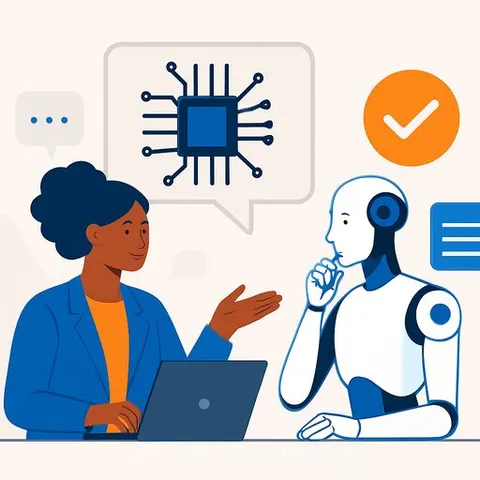
HR leaders frame AI as a tool to create time for human work
HR departments are approaching artificial intelligence differently than other business functions-with an emphasis on enabling work rather than monitoring it, according to François Gilbert, Vice President of Human Resources at Lilly Canada.
The shift reflects a deliberate choice about where AI adds value. Instead of using the technology to enforce compliance or track behavior, HR teams at organizations like Lilly Canada are deploying it to strip away administrative friction so professionals can focus on decisions that require judgment and trust.
The real problem AI solves in HR
HR roles often carry crushing administrative loads. One person manages benefits, policies, employee questions, reporting, and compliance for an entire business unit. Lean teams combined with regulatory complexity leave little room for strategic thinking.
"We still have way too many administrative tasks," Gilbert said. "People sometimes feel like they are drowning under large volumes of admin work."
AI creates capacity by handling routine work-payroll reconciliation, benefits inquiries, policy lookups-so HR professionals spend time on workforce planning, leadership development, and organizational health instead.
HR isn't behind on AI adoption
A common assumption holds that HR lags other functions in AI implementation. Gilbert pushes back on that premise.
"We're really not behind," he said. "If anything, we're ahead, especially in how thoughtfully we're approaching AI."
Where other departments have introduced AI primarily as a control mechanism, HR has framed it as a supporting tool. That distinction matters in a function built on trust. Careful adoption isn't the same as slow adoption.
Clear boundaries for where AI stops
Gilbert outlined firm no-fly zones for AI in HR: termination decisions, mental health support, accommodations, medical leaves, and final compensation or performance decisions.
"Those are moments where human-to-human conversations are essential," he said. AI can surface insights or gather information, but humans make the final call.
This approach keeps accountability, empathy, and responsibility with people who can exercise judgment and answer for their decisions.
What success looks like
Gilbert measures success not by tools deployed but by how HR spends its time. Success means more hours on strategic work-workforce planning, organizational design, leadership development-and fewer hours on spreadsheet reconciliation or answering repeated questions.
"Success is a better balance between strategic work and demand realization," he said.
Automation should speed thinking, not bypass it. Even streamlined processes need pauses for human review and interpretation. The goal is efficiency that creates room for leadership where it actually matters.
Values remain constant
Lilly Canada has operated for nearly 150 years. Tools have evolved, but core values-integrity, respect for people, and excellence-have not.
"It's not because the tools change that the values should," Gilbert said.
Used thoughtfully, AI accelerates the mission while staying grounded in those values. The promise of AI in HR isn't less humanity. It's more.
For HR leaders implementing AI strategy, resources like AI for Human Resources and the AI Learning Path for CHROs provide frameworks for responsible adoption.