
AI news ·
Trump's draft AI executive order shifts frontier model safety checks to voluntary compliance
The Trump administration's latest executive order draft drops mandatory government review of advanced AI models, making compliance voluntary instead. Developers would have 90 days to submit models for review, but nothing requires them to do so.
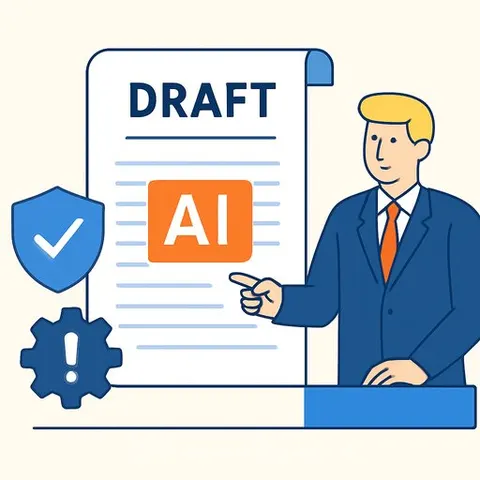
Trump Administration Softens Stance on AI Regulation in Latest Executive Order Draft
The Trump Administration is moving toward a voluntary framework for regulating frontier AI models, according to leaked details of an executive order under development. The shift represents a significant retreat from an earlier version that would have required government vetting of all new advanced AI systems.
Two weeks of apparent leaks have revealed the order's contents as it moves through the drafting process. The most recent version divides safeguards into two sections: cybersecurity measures and oversight of frontier models.
From Mandatory Review to Voluntary Compliance
The initial draft would have placed a government agency-possibly the federal Center for AI Standards and Innovation-in charge of vetting all frontier AI models before release. That represented a notable change from the Administration's stated position just two months earlier, when policy documents called for minimal regulation beyond age restrictions for users.
The current version makes participation voluntary. AI developers would have a 90-day window to submit their models for government review, but nothing would compel them to do so.
The voluntary approach raises practical questions for companies. If compliance is optional and competitors opt out, the business incentive to participate becomes unclear.
Cybersecurity Gets Real Teeth
The cybersecurity section of the order takes a different approach. Rather than regulating AI itself, it would strengthen federal infrastructure defenses against AI-related threats. This focuses on hardening systems rather than controlling model development.
The divergence between the two sections suggests internal disagreement within the Administration over how aggressively to regulate AI development.
What This Means for Government Officials
For those in government roles overseeing AI policy, the voluntary framework creates new challenges. Agencies will need to decide how to encourage participation without mandatory authority, and how to assess risks from models that skip the review process entirely.
Understanding the policy landscape around frontier AI requires grounding in both technical capabilities and regulatory approaches. AI Learning Path for Policy Makers covers the governance and decision-making frameworks relevant to these discussions.
For broader context on how AI intersects with government operations, AI for Government resources examine policy analysis and public administration dimensions of AI deployment.