AI tool
Alert Grouping by DrDroid
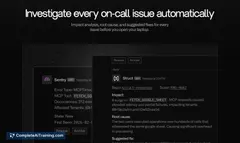
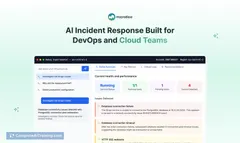
Alert Grouping by DrDroid helps engineering teams manage incident response. The tool connects to cloud, code, and telemetry to build a knowledge graph. This enables faster root-cause analysis and automated remediation.
About Alert Grouping by DrDroid
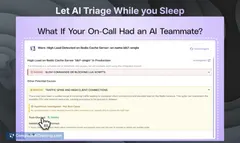
Alert Grouping is a feature within DrDroid, an AI teammate built for on-call engineers. It watches incoming alerts from tools like Datadog and Sentry, recommends grouping definitions based on actual traffic, and generates a script that collapses multiple related alerts into a single incident. The grouping logic is transparent, with reasoning attached to each decision.
Review
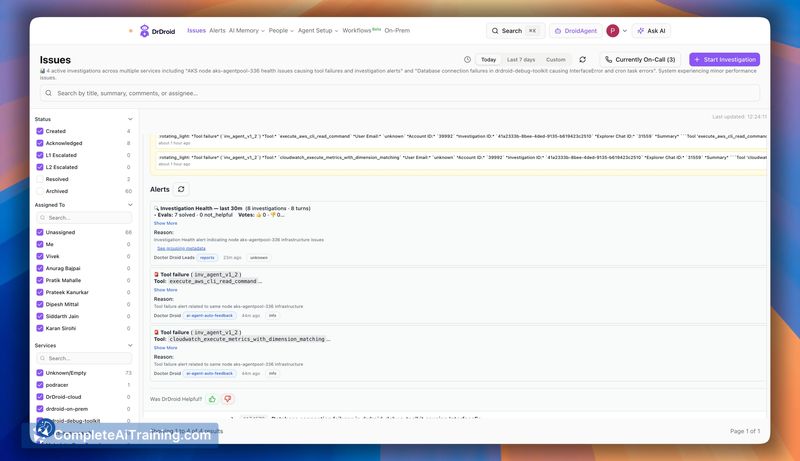
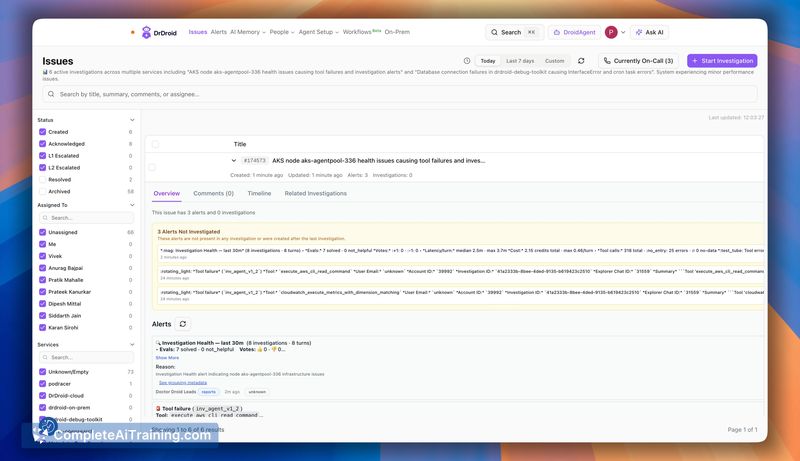
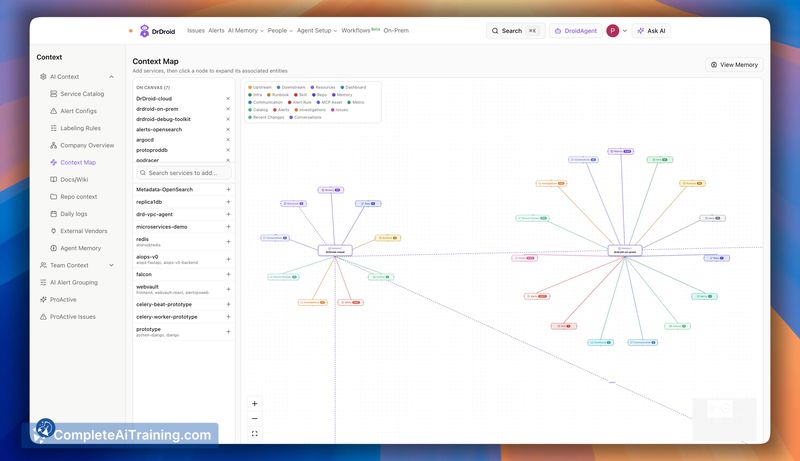
Alert Grouping tackles a familiar pain point: one root cause triggers a flood of pages from separate monitoring systems, forcing engineers to manually acknowledge and correlate them. DrDroid's approach automates that correlation, folding alerts into one issue while preserving the logic behind each grouping. The feature works alongside the platform's existing self-learning agent, which refines grouping as teams investigate incidents.
Key Features
- Recommends grouping definitions by observing incoming alert patterns and generating a readable script for each definition.
- Collapses related alerts into a single issue, with a visible reasoning trail so the grouping is never a black box.
- Suppresses known noise through rule-based filters, separate from the AI-driven grouping logic.
- Routes Slack notifications to the appropriate team channel when a new issue appears or an alert gets folded into an existing one.
- Lets teams test notification behavior before going live, and add custom grouping expectations (by service, label, or title) directly in the agent profile.
Pricing and Value
DrDroid offers a free tier, and the Alert Grouping launch includes $50 in credits. The full pricing structure beyond the free option is not yet defined. The tool reduces alert fatigue and can shorten mean time to resolution by cutting down the manual work of correlating duplicate alerts.
Pros
- Users retain full control over grouping logic through editable scripts and custom rules.
- Noise that teams already know about gets suppressed deterministically, not guessed by an AI model.
- Notification routing sends alerts to the correct Slack channel, and the setup is testable before activation.
- Grouping accuracy improves over time as the self-learning agent incorporates investigation patterns.
- Setup connects to cloud, code, and telemetry sources, building a knowledge graph that supports faster root-cause analysis.
Cons
- Alert Grouping does not currently separate anomaly or first-time alerts into a distinct channel, a capability some users have requested.
- Defining and tuning grouping scripts requires manual review, which demands initial effort from the on-call team.
- The tool is not well suited for teams with very low alert volumes, where the overhead of configuring groupings may outweigh the noise reduction benefit.
Alert Grouping fits teams that receive a high volume of correlated alerts from multiple observability tools and want to reduce manual triage. It works best when engineers are willing to invest a little time upfront in reviewing and customizing the grouping scripts. For organizations with only occasional alert noise, the feature's setup cost might not be justified.
Jobs Alert Grouping by DrDroid suits
We checked Alert Grouping by DrDroid against 500+ jobs; these get the most out of it.
Alternatives to Alert Grouping by DrDroid
Other tools that do the same main job. Our AI compared Alert Grouping by DrDroid with similar tools and kept the ones you could use instead.